
 EN
EN
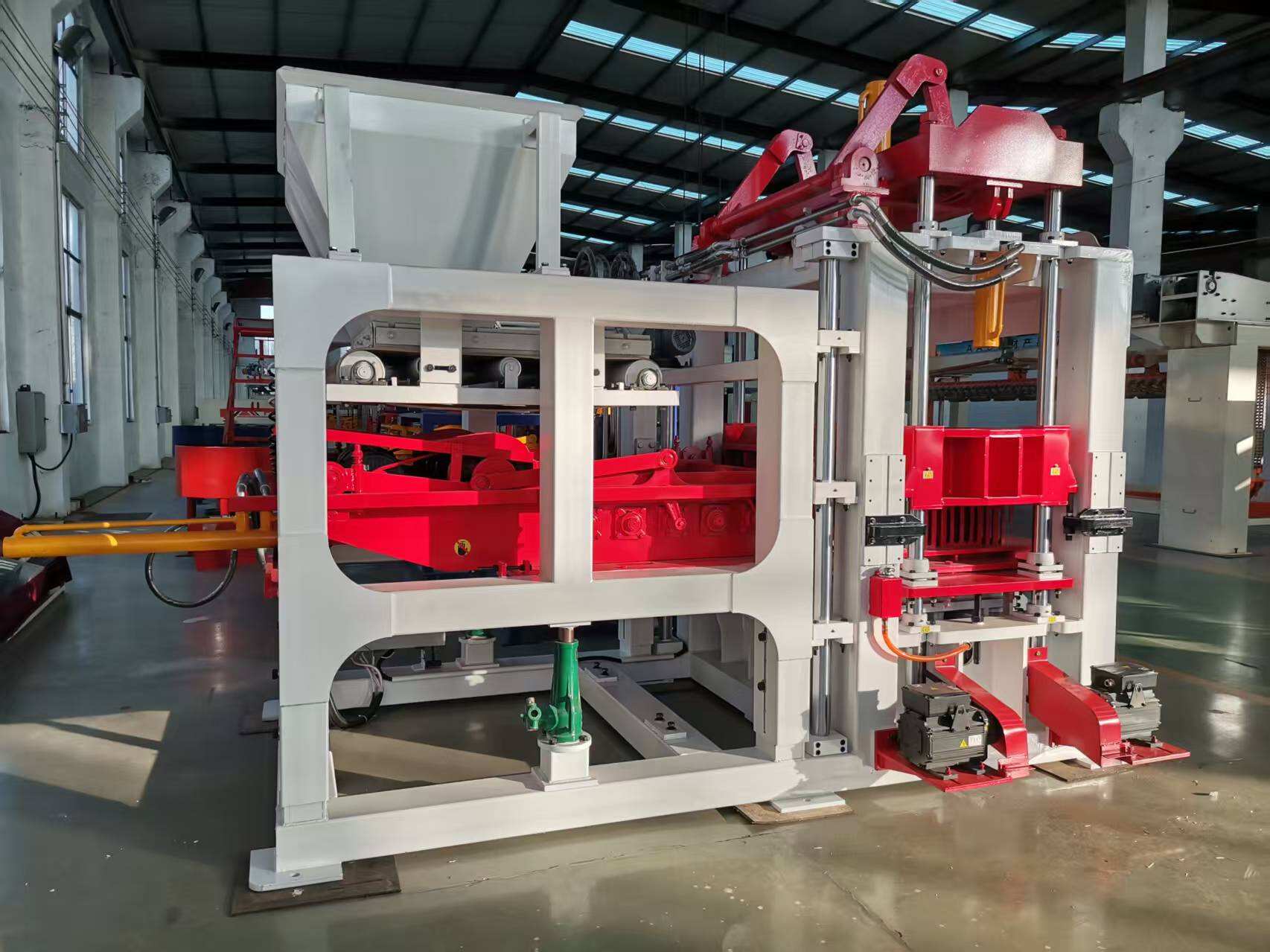
Standard GMT Brick Pallet Dimensions and Load Ratings
Most Common Footprints: 1200×800 mm, 1000×800 mm, and 1200×1000 mm
In Europe, most brick handling operations stick to the 1200×800 mm size because it works well with standard EURO pallets and fits into automated warehouse systems without causing headaches. Over in North America and parts of Asia, many plants go with the 1200×1000 mm version instead. Some smaller operations still use the older 1000×800 mm dimension when they need something adaptable for special projects or custom production runs. The reason these standard sizes matter so much is simple practicality. Forklift operators can handle them easily, storage racks fit them perfectly, and conveyor belts are built around these measurements. This consistency makes life easier across the entire supply chain from factory floor to distribution center.
Thickness, Weight, and Dynamic Load Capacity (30–45 mm depth; 1,200–2,500 kg)
GMT brick pallets offer impressive strength for their weight, coming in at just 30 to 45 mm thick yet still managing to be 20% lighter than traditional wooden options. Despite this reduced weight, they can handle dynamic loads ranging from 1,200 to 2,500 kg. The material properties allow warehouses to stack these pallets over 8 meters high in standard racking systems without compromising safety. What really stands out is how GMT resists impacts better than most materials on the market. Manufacturers report saving around $740,000 every year thanks to fewer load failures and less downtime according to research published by the Ponemon Institute back in 2023. Another major advantage comes from its complete resistance to moisture. Unlike wooden pallets that tend to warp when exposed to damp conditions, especially when carrying heavy concrete blocks, GMT maintains its shape and integrity regardless of environmental factors.
Material Performance and Compliance Standards for Brick Pallets
Why GMT Outperforms Wood and Steel: Impact Resistance, Moisture Immunity, and 10+ Year Service Life
GMT (Glass Mat Thermoplastic) brick pallets deliver superior performance in demanding production environments. Unlike wood—which splinters, warps, and rots—or steel—prone to corrosion and denting—GMT offers:
- Impact resistance: Absorbs 3× more shock than wood during handling (ASTM D1185)
- Moisture immunity: Zero water absorption prevents bacterial growth and load instability
- Longevity: Withstands 10+ years of daily use, reducing replacement costs by 60% over wood pallets
These properties minimize brick breakage during transport and support cleanroom-compatible automation.
Certification Essentials: ISO 8611-1 (Pallet Testing) and EN 13698-2 (Concrete Block Handling)
Compliance with international standards ensures brick pallets meet rigorous safety and efficiency benchmarks:
| Standard | Focus Area | Benefit |
|---|---|---|
| ISO 8611-1 | Dynamic load testing | Verifies 2,500 kg capacity |
| EN 13698-2 | Concrete block handling | Ensures forklift/rack safety |
Certified GMT pallets prevent workplace accidents and streamline global logistics by eliminating regional re-testing. Plants using them report 22% fewer handling injuries and 15% faster line changeovers.
Production-Line Integration: Ensuring Brick Pallet Compatibility
Critical Interface Features — Fork Pocket Clearance, Top-Surface Traction, and Conveyor Synchronization
Getting brick pallets to work smoothly in automated production lines depends on three key design elements. The space between fork pockets needs to fit what local forklifts can handle, usually around 80 to 100 mm high and 150 to 200 mm wide across. This helps protect expensive equipment from getting damaged during loading operations. For the top surface, adding patterns like diamond grids or ripple textures makes a big difference. These textured surfaces cut down on brick slippage by about two thirds compared to plain smooth ones, which is really important when moving damp concrete blocks that haven't fully cured yet. When it comes to conveyor belts, keeping pallet sizes within strict standards (+/- 2 mm) prevents those frustrating jams that bring everything to a halt. We've seen non-standard pallets responsible for roughly one out of every six production stops. Operators need to check that the load capacity rating beats the fastest speed requirements of the line, ideally handling at least 1,500 cycles per hour. Don't forget to look at those corners too they should have rounded edges so bricks slide smoothly from one roller section to another without catching.
Regional Adaptations and Customization of Brick Pallets
Thermal Expansion Adjustments: North American vs. ASEAN Tolerances (±3–5 mm)
When it comes to brick pallet dimensions, they need to be adjusted based on where they'll be used because materials react differently to changes in temperature. Take North America for instance, where we experience those brutal winter cold snaps down to -30 degrees Celsius and sweltering summer heat reaching 40 degrees. That's why GMT pallets built for this region include around 5 millimeters of extra space to handle all that expansion and contraction without warping. Things look quite different in ASEAN countries though, since their tropical climates stay pretty steady between 25 and 35 degrees throughout the year. This consistency means manufacturers can get away with tighter tolerances of about 3 millimeters instead. Getting these measurements right matters a lot when moving concrete blocks along automated production lines. If the math isn't spot on, robots handling the blocks might jam up causing delays and damage. Engineers know this from material science basics too polymer materials tend to grow or shrink roughly 0.1 mm for every degree change across each meter length. So there needs to be enough room in those fork pockets and conveyor connections to accommodate this movement. When everything works as intended, properly set up GMT brick pallets maintain about 98 percent reliability even in areas prone to high humidity according to tests following ISO 8611-1 standards.
FAQ
What are the standard dimensions for GMT brick pallets?
The most common sizes are 1200×800 mm, 1000×800 mm, and 1200×1000 mm, suitable for various international manufacturing standards.
How does GMT compare to wood and steel in terms of durability?
GMT outperforms wood and steel by offering better impact resistance, immunity to moisture, and a longer service life, typically over 10 years.
What certifications do GMT brick pallets meet?
GMT brick pallets comply with ISO 8611-1 for dynamic load testing and EN 13698-2 for concrete block handling, ensuring safety and efficiency.