
 EN
EN
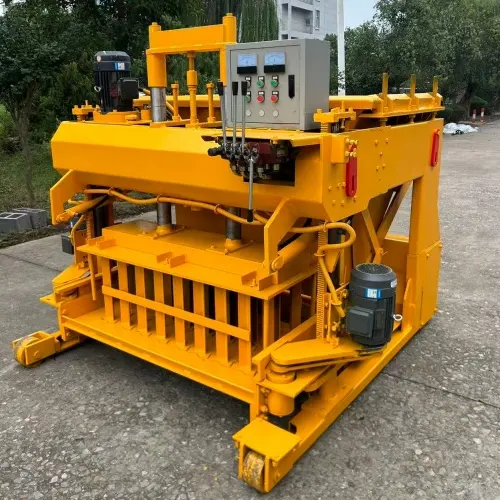
Exceptional Mechanical Performance: Strength, Lightweight Design, and Load Stability for High-Speed Brick Lines
How GMT’s Hybrid Reinforcement Achieves 3.2× Higher Tensile Strength vs. Wood or PP Brick Pallets
GMT (Glass Mat Thermoplastic) brick pallets integrate continuous glass fibers within a polypropylene matrix to create a high-strength, isotropic composite—engineered specifically for the compressive and dynamic loads of modern extrusion lines. With a tensile strength of 180 MPa, GMT outperforms wooden block pallets (55–60 MPa) and polypropylene (PP) alternatives (78 MPa) by 3.2×. This strength-to-weight ratio enables reliable stacking of green bricks without deformation—a critical weakness of PP, which exhibits creep under sustained load. GMT’s flexural modulus exceeds 4 GPa (ASTM D790), more than triple wood’s variable range of 0.8–1.2 GPa. Crucially, its uniform fiber distribution eliminates stress concentration at fastener points, preventing the sudden brittle failures seen in wood composites.
Real-World Impact: 22% Reduction in Brick Pallet Breakage at Automated Pilot Plant (2023)
In an automated pilot plant operating at full extrusion capacity, switching to GMT brick pallets reduced breakage incidents by 22%—a result validated in the Plant Efficiency Report 2023. This improvement stems from GMT’s controlled deflection tolerance (±0.7 mm per 1000 cycles, per CTI stacking tests) and structural isotropy. Integration trials confirmed robotic arms and forklifts could operate 50% faster than with PP pallets—without load shifting—while pallet replacement dropped to just 0.3 instances per 10,000 cycles, versus 2.7 for wood. At ≤28 kg, GMT’s ultralight construction also ensures seamless compatibility with high-speed automated handling systems—reducing inertia, energy use, and mechanical wear.
Reliable Environmental Resistance: Mold, Moisture, and Heat Durability in Humid Brick Production
Solving Mold & Swelling: Why 68% of Wooden Brick Pallet Failures Occur in Tropical Climates
In humid brick production environments—particularly those exceeding 80% RH—wooden pallets absorb moisture like a sponge, triggering irreversible swelling (up to 12% volume increase) and aggressive internal fungal colonization. These effects compromise dimensional stability and hygiene, directly disrupting brick stacking precision and curing consistency. Field data confirms that in tropical climates, 68% of wooden pallets fail within two years, primarily due to mold-induced rot and swelling-related misalignment.
GMT’s Hydrophobic E-Glass/PP Matrix: <0.12% Water Uptake Ensures Long-Term Brick Pallet Integrity
GMT pallets eliminate this vulnerability through a hydrophobic polypropylene matrix and CTE-controlled E-glass reinforcement. Per ASTM D570 testing, water absorption is limited to <0.12% by mass—effectively eliminating capillary uptake, cross-sectional swelling, and biological growth pathways. This stability maintains racking integrity across repeated high-pressure washdowns, exposure to curing chambers above 40°C, and freeze-thaw cycling—without degradation or performance drift.
Precision Engineering for Process Compatibility: Thermal Stability and Kinematic Matching with Brick Machinery
Brick pallet performance hinges on dimensional fidelity and dynamic compatibility with automated machinery. GMT pallets are engineered to resolve thermal expansion mismatches and inertial lag—the two most common sources of misalignment and vibration in high-speed lines.
Eliminating Dryer Misalignment: Controlled CTE (12.3 × 10⁻⁶/K) Prevents Brick Pallet Warping in Rotary Dryers
Rotary dryers subject pallets to rapid temperature fluctuations—conditions that induce warping in materials with unstable thermal behavior. GMT’s precisely tuned coefficient of thermal expansion (12.3 × 10⁻⁶/K) ensures consistent flatness and dimensional accuracy throughout drying cycles. Unlike wood, which swells or shrinks asymmetrically, GMT maintains tight tolerances against dryer rollers and conveyor guides—cutting manual realignment events and unplanned stoppages. This thermal predictability directly improves overall equipment effectiveness (OEE).
Optimizing Machine Integration: How GMT’s 1.6 g/cm³ Density and 27 GPa Flexural Modulus Enable Seamless Kinetic Matching
High-speed brick lines require pallets that respond predictably to acceleration, deceleration, and directional changes. GMT achieves an optimal balance: a density of 1.6 g/cm³ keeps inertia low, while its 27 GPa flexural modulus provides the rigidity needed to resist bending under load. This kinetic matching enables smoother, faster pick-and-place motions—reducing brick drop rates, minimizing machine vibration, and extending servo life. The outcome is higher uptime, tighter cycle consistency, and uniform product quality across shifts.
Sustainable Lifecycle Advantage: Full Recyclability and Circular Potential for Brick Pallet Systems
GMT brick pallets deliver uncompromised performance and verifiable sustainability. Their thermoplastic composite structure allows full mechanical recyclability—unlike wood (landfill-bound) or thermoset composites (non-reprocessable). At end-of-life, GMT pallets can be granulated and reintegrated into new composite products, or thermally processed in cement kilns where recovered E-glass replaces virgin mineral filler—closing the material loop.
Beyond recyclability, raw material selection delivers measurable carbon advantage: peer-reviewed research in the Journal of Cleaner Production (2023) found GMT pallets have a 42% lower global warming potential than PVC-based alternatives. Their extended service life—validated by the Modern Building Materials Institute (2022) as delivering a 17% reduction in 10-year lifecycle cost versus conventional plastic pallets—further reduces environmental impact. Fewer replacements mean fewer logistical movements, less packaging waste, and lower embodied energy per unit handled. In contrast, timber pallets demand intensive harvesting, chemical treatment, and generate non-recyclable residue at end-of-life. GMT represents industrial symbiosis: durability and circularity are not trade-offs—they’re engineered outcomes.
FAQs
What is GMT, and how does it differ from traditional materials like wood or PP?
GMT stands for Glass Mat Thermoplastic, a composite material made by integrating continuous glass fibers into a polypropylene matrix. Unlike wood or PP, GMT offers significantly higher tensile strength, enhanced durability, and reduced susceptibility to environmental damage like moisture or mold.
What are the key benefits of using GMT pallets in high-speed brick production?
GMT pallets provide superior strength, lightweight design, and load stability, reducing breakage and improving compatibility with high-speed machinery. They also resist mold, swelling, and temperature-induced warping, ensuring long-term reliability.
How does GMT contribute to sustainability in the brick production process?
GMT pallets are fully recyclable and have a lower global warming potential compared to alternatives like PVC. They also have an extended service life, reducing overall material waste and lifecycle costs.
How does GMT perform in extreme thermal and humid conditions?
GMT exhibits minimal thermal expansion and absorbs less than 0.12% water by mass, making it highly reliable in environments with fluctuating temperatures or high humidity levels.
Can GMT pallets be integrated with existing high-speed brick machinery?
Yes, GMT pallets are engineered for seamless kinematic and thermal compatibility with automated systems, improving operational efficiency and reducing wear on mechanical components.
Table of Contents
- Exceptional Mechanical Performance: Strength, Lightweight Design, and Load Stability for High-Speed Brick Lines
- Reliable Environmental Resistance: Mold, Moisture, and Heat Durability in Humid Brick Production
- Precision Engineering for Process Compatibility: Thermal Stability and Kinematic Matching with Brick Machinery
- Sustainable Lifecycle Advantage: Full Recyclability and Circular Potential for Brick Pallet Systems
-
FAQs
- What is GMT, and how does it differ from traditional materials like wood or PP?
- What are the key benefits of using GMT pallets in high-speed brick production?
- How does GMT contribute to sustainability in the brick production process?
- How does GMT perform in extreme thermal and humid conditions?
- Can GMT pallets be integrated with existing high-speed brick machinery?