
 EN
EN
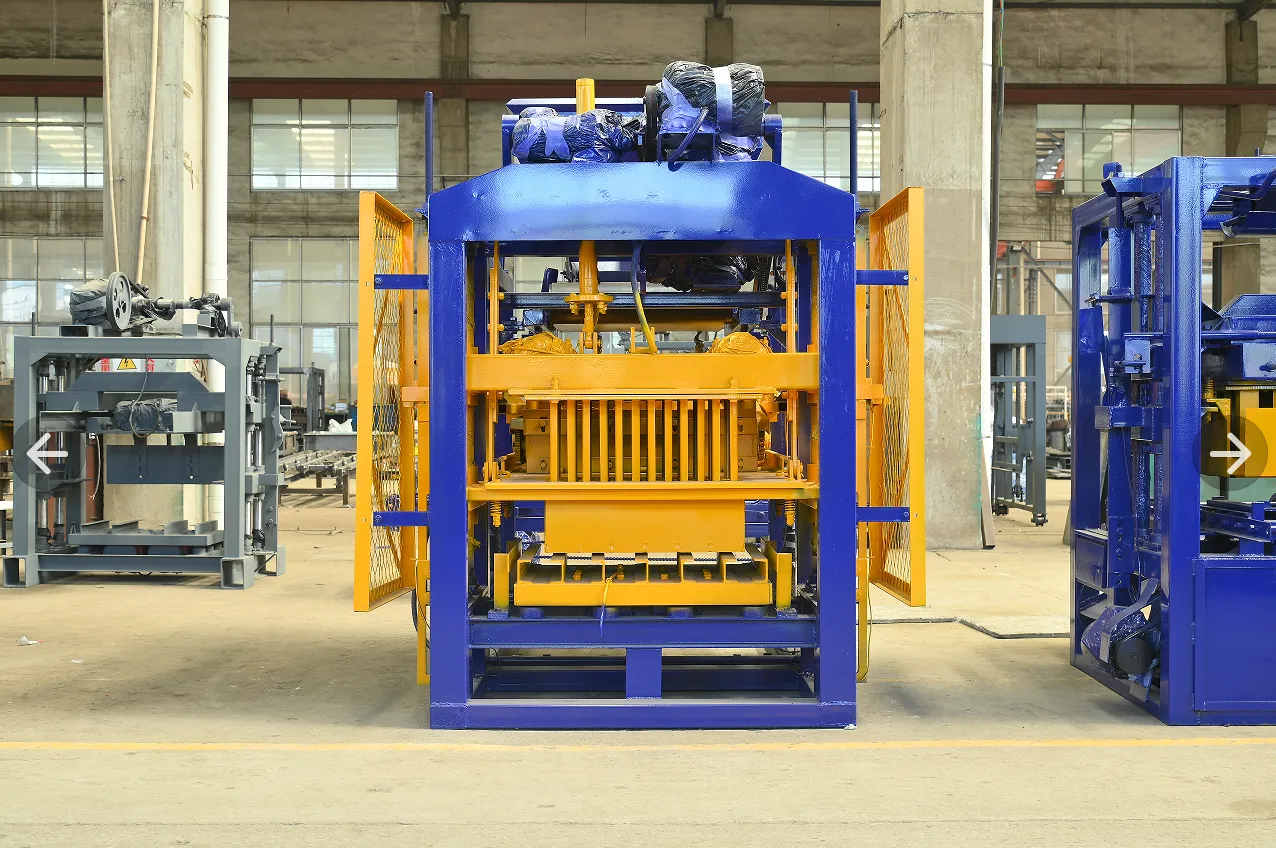
GMT Brick Pallet: Definition, Core Materials, and Manufacturing Role
A brick pallet made from GMT (Glass Mat Reinforced Thermoplastics) is a high-performance carrying platform used in concrete block production. GMT is a composite material combining a thermoplastic resin matrix with continuous glass fiber mats—delivering rigidity comparable to reinforced concrete. Widely recycled from end-of-life automotive components such as door panels, seat backs, and bumpers, GMT is heated and pressed under 3,000-ton pressure to form a dense, homogeneous sheet. The resulting pallet has a density of ~1,200 kg/m³ and a service life of 8–10 years. Unlike traditional wood or steel pallets, GMT resists moisture, temperature extremes, and mechanical wear. At roughly 70% the weight of PVC pallets, it enhances handling efficiency on automated lines. In brick production, GMT pallets serve as a rigid base for molding, steam curing, and transporting fresh concrete blocks—its high impact strength, water absorption <1%, and dimensional stability making it the standard choice in modern block-making plants.
Key Performance Advantages of GMT Brick Pallets
Mechanical Strength: Impact Resistance, Rigidity, and Load-Bearing Capacity
GMT brick pallets derive exceptional mechanical strength from their glass mat–reinforced thermoplastic structure. With impact resistance exceeding 30 KJ/m²—more than double that of PVC alternatives (≤15 KJ/m²)—they resist cracking during repetitive drops and vibration. Their elastic modulus ranges from 2.0 to 4.0 GPa, surpassing solid wood pallets of equal thickness and eliminating warping under constant load. Verified at a maximum static load of 2.0 kN and bending strength of 51.0 MPa, they support heavy wet bricks without rupture. A Shore 72D surface hardness ensures long-term abrasion resistance across thousands of production cycles—making GMT pallets exceptionally reliable in high-demand environments.
Environmental Resilience: Temperature Tolerance, Steam Curing Compatibility, and Low Water Absorption
GMT pallets operate reliably across an extreme temperature range of −40 °C to 90 °C—resisting cold-induced brittleness and heat-induced softening. This makes them uniquely suited for steam curing processes (60–90 °C), where PVC pallets deform and degrade. Water absorption remains below 0.5%, preventing swelling, delamination, or internal corrosion. The material also resists common acids, alkalis, and salts—protecting embedded steel or bamboo reinforcements from rust and mildew. These properties sustain performance in humid, chemically active factory settings and contribute to a service life exceeding seven years.
Operational Benefits in Modern Brick Production Lines
Enhanced Mold Release, Surface Flatness, and Long-Term Durability
GMT pallets streamline curing operations through inherent non-stick properties. Bricks release cleanly post-molding—reducing manual intervention, eliminating mold transfers between batches, and preserving fine surface detail. This friction-free separation cuts back-to-face offset waste by over 1.7% during early demolding. Even after 300 production cycles, curvature deviation stays under 0.5 mm, ensuring flat stackability critical for kiln stability and consistent downstream handling.
Seamless Integration with Automated Brick Machines and Conveyor Systems
Lightweight yet rigid, GMT pallets align precisely with robotic clamp placements and roller-frame spacing in high-speed brick machines. Their low coefficient of thermal expansion keeps dimensional deviations within ±1.5% across ambient temperatures and 130°C steam curing phases, enabling reliable sensor-guided positioning. This compatibility eliminates stacker jams that typically cost facilities 17 hours of weekly downtime, while field data shows operators require 67% fewer alignment adjustments when replacing steel pallets with GMT platforms.
Why GMT Brick Pallets Outperform Traditional Alternatives
GMT brick pallets outperform traditional PVC and wood alternatives across durability, total cost of ownership, and environmental sustainability. Independent testing confirms they last 3.2× longer than standard plastic pallets—requiring replacement only 24% as often. A 2024 European Brick Association study found facilities switching to GMT save 42% annually versus PVC and 58% versus untreated wood, driven by reduced downtime, lower storage requirements, and elimination of landfill disposal fees. Unlike PVC, GMT maintains structural integrity under steam curing at 60–90 °C and sustains water absorption below 1%. While initial investment is higher, the 8–10 year service life—versus 3–5 years for wood—dramatically lowers total cost of ownership through fewer replacements and less material waste. For brick producers prioritizing long-term productivity, GMT composites deliver measurable operational, financial, and sustainability advantages.
FAQ
What is a GMT brick pallet and what makes it unique?
A GMT brick pallet is made from Glass Mat Reinforced Thermoplastics, a composite material that combines thermoplastic resin with glass fiber mats for high rigidity, impact strength, and environmental resistance. It resists moisture, temperature extremes, and mechanical wear, making it superior to traditional wooden or PVC pallets.
How long does a GMT brick pallet last?
A GMT brick pallet typically has a service life of 8–10 years, which is significantly longer than the lifespan of wood or PVC pallets, making it a cost-effective choice in the long run.
Why are GMT pallets preferred for automated brick production lines?
GMT pallets are lightweight yet rigid, aligning seamlessly with robotic placements and conveyor systems in automated lines. Their low thermal expansion and dimensional stability under steam curing ensure reduced downtime and fewer alignment adjustments.
How do GMT pallets compare to PVC and wood in terms of durability?
GMT pallets outperform PVC and wood alternatives, offering 3.2× longer service life and better resistance to steam curing, water absorption, and mechanical stress.
Are GMT pallets environmentally sustainable?
Yes, GMT pallets are often created from recycled materials and are more environmentally sustainable than PVC or wood, reducing landfill disposal fees and material waste while offering extended durability.