 EN
EN
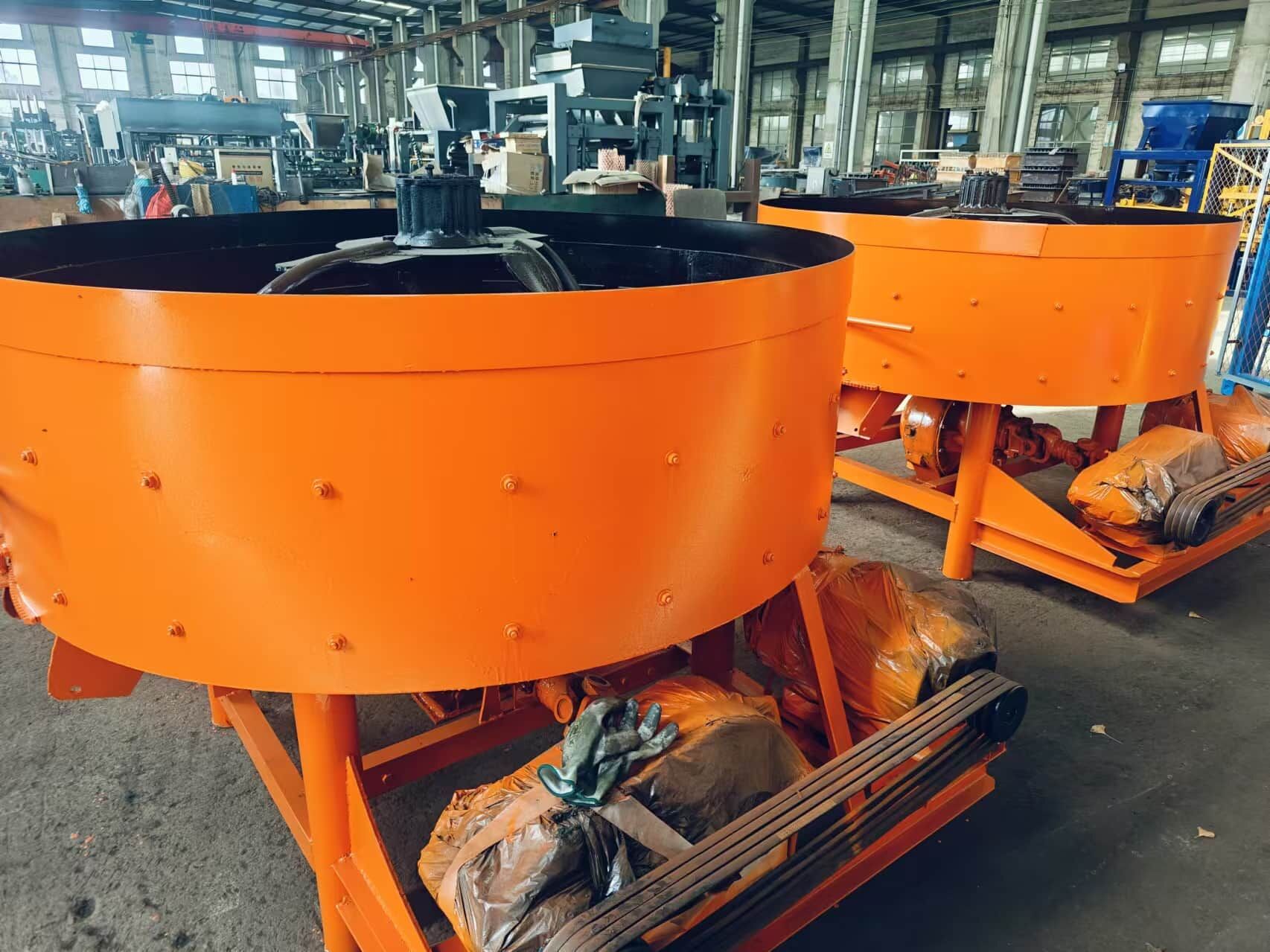
The Unique Demands of Concrete Block Production on Concrete Mixers
Making concrete blocks presents some real headaches for regular construction mixers. While normal concrete work deals with fluid mixes, block making needs those super stiff, almost dry batches with water to cement ratios usually under 0.4 to keep everything stable when shaping and letting them cure properly. The problem gets worse because aggregates such as crushed stone and sharp sand really tear away at mixer parts over time, wearing down standard equipment faster than most folks expect. Getting all those particles evenly distributed in this low moisture environment takes serious mixing power without ending up with clumps or separation issues. When we put together all these factors abrasive materials, little water, and constant heavy duty mixing what happens is traditional mixers start breaking down quicker, produce inconsistent batches, and spend way too much time sitting idle for repairs. That's why serious block producers need specialized mixers built to handle these tough operating conditions if they want to stay competitive in the market.
How Flat Mouth Concrete Mixer Geometry Solves Stiff-Mix Challenges
Uniform Shear Distribution Across Dry-Semi-Dry Mixes
Flat mouth concrete mixers handle stiff mixes better because of their special blade shapes that get rid of those annoying dead spots. Traditional mixers just don't do this. The spiral shaped blades stay in touch with the dry or semi-dry concrete throughout the mixing process, which matters a lot for making blocks since they need very little water to hold together properly. These angled blades actually create these overlapping areas where the mix gets worked on from different angles at once. This helps spread out the mixing force evenly across everything, so the aggregates don't separate and we end up with about 98% uniformity within roughly 90 seconds. What makes this work is how the blades are pitched just right to keep folding material towards the center as it goes around. This means the cement paste spreads out nicely without creating those hot spots where things might burn or stick too much. Block manufacturing facilities really benefit from this setup, getting consistently good batches while their equipment lasts about 40% longer than what happens with older style mixers.
Reduced Water Dependency and Improved Particle Coating
Flat mouth mixers work really well because of their special shape, which helps coat particles better even when there's less water mixed in with the cement. These machines create both upward movement and side-to-side motion at the same time, so every piece of aggregate gets fully wrapped in cement paste. This works especially well for tough mixes where water is limited to around 0.4 parts per cement. The result? No air pockets on surfaces that would weaken the blocks, plus we save about 15 to 20 percent water according to standard tests like ASTM C138. Less water means faster drying too, and blocks end up stronger by roughly 8 to 12 MPa in compression tests. What makes this design stand out is how it stops water from separating inside the mix, something that creates weak spots in regular blocks. Blocks made this way have consistent density all through them, not just on the outside.
Flat Mouth vs. Vertical Shaft & Pan Mixers: Performance Comparison for Block Plants
Choosing the right concrete mixer for making blocks involves looking at several key aspects: how well it handles tough mixes, what it costs to run day to day, and whether it can work smoothly with automated pressing systems. Vertical shaft mixers are great at getting all the material out and take up less space on site, but they usually need about 15 to 20 percent extra water just to get dry ingredients mixed properly. Flat mouth designs coat particles evenly without needing so much moisture though. This cuts down on curing time somewhere around 30% while still keeping compression strength over 25 MPa most of the time. Then there's pan mixers that create strong shear forces with their spinning paddles. Problem is these machines tend to leave behind roughly 1 or 2 percent of each batch, which means more waste overall and crews having to clean them manually more frequently than other types.
Maintenance requirements further distinguish these systems:
- Flat mouth mixers feature simplified mechanics with 40% fewer moving parts than pan alternatives, lowering annual servicing costs by ~$3,500
- Vertical shaft units demand frequent seal and bearing replacements due to gravitational stress on rotating components
- Pan mixers incur the highest upkeep from complex gearboxes and paddle wear
Energy consumption data reveals flat mouth mixers operate at 0.11 kWh/m³â15% more efficient than vertical and pan models. This efficiency, combined with near-zero residue discharge, positions them as the superior choice for high-volume block plants prioritizing lean operations and consistent mix quality.
Selecting the Right Electric Concrete Mixer: Key Technical & Operational Criteria
Motor Specifications: Balancing Torque, RPM, and Energy Efficiency
Electric concrete mixers require precise motor calibration for block production. Optimal torque ensures consistent mixing of stiff semi-dry concrete without stalling, while RPM controls homogeneityâcritical for uniform block density. Energy-efficient motors reduce operational costs by 15â30%, according to the 2024 Construction Equipment Report. Key considerations include:
- High-torque motors (â¥180 Nm) handling dense aggregate blends
- Variable speed drives (0â30 RPM) adapting to material viscosity
- IE4-class efficiency ratings minimizing kWh consumption per batch
Durability, Maintenance, and Integration with Block Press Automation
Abrasion-resistant alloys in mixing drums and blades extend service life by 40% compared to standard models when processing coarse aggregates. Maintenance protocols should prioritize:
- Quick-release liners replacing worn components in under 30 minutes
- Sealed bearings preventing cement ingress between cycles
- IoT-enabled sensors predicting wear patterns
Seamless integration with automated block presses demands standardized communication protocols like OPC UA. This synchronization enables real-time material tracking from mixing to molding, eliminating bottlenecks. Automated slurry adjustment based on press feedback further optimizes resource use.
FAQ
Why are traditional mixers not suitable for concrete block production?
Traditional mixers are not suitable for concrete block production because they struggle with super stiff, almost dry batches needed for block making. This results in uneven mixes, quicker equipment wear, and higher downtime for repairs.
What makes flat mouth mixers ideal for block production?
Flat mouth mixers are ideal for block production due to their ability to handle low moisture mixes, provide uniform mixing, reduce water dependency, and extend equipment lifespan compared to traditional mixers.
How do flat mouth mixers compare to vertical shaft and pan mixers?
Flat mouth mixers are more efficient than vertical shaft and pan mixers as they use less water, reduce curing time, and lower maintenance costs, while providing better mix consistency and energy savings.
What technical aspects should be considered when selecting an electric concrete mixer?
When selecting an electric concrete mixer, consider motor specifications like torque and RPM, energy efficiency, as well as durability features like abrasion-resistant alloys and quick maintenance capabilities.
Table of Contents
- The Unique Demands of Concrete Block Production on Concrete Mixers
- How Flat Mouth Concrete Mixer Geometry Solves Stiff-Mix Challenges
- Flat Mouth vs. Vertical Shaft & Pan Mixers: Performance Comparison for Block Plants
- Selecting the Right Electric Concrete Mixer: Key Technical & Operational Criteria
- FAQ