 EN
EN
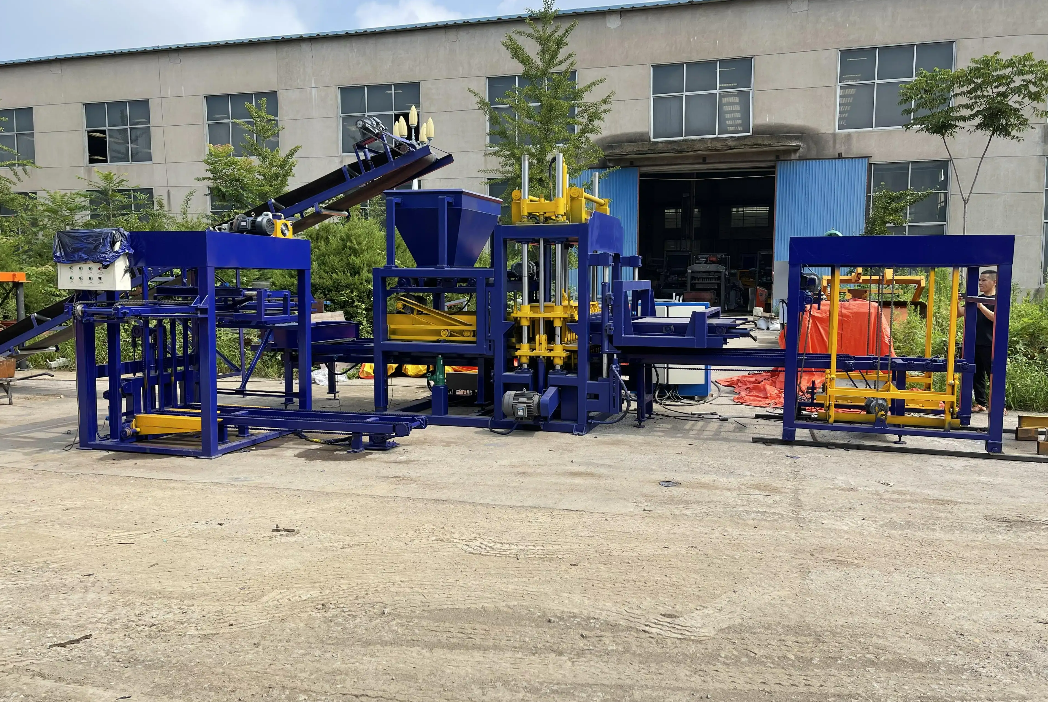
Key Components of the Automatic Concrete Block Making Machine
Mechanical Structure, Mold System, and Hydraulic Power Unit
The automatic concrete block making machine features a sturdy mechanical setup that brings together the material hopper, mold box, and compacting components all on one precise platform. When raw concrete goes into the hopper, it gets measured accurately into those high tolerance steel molds which define the shape of each block. Getting this right matters a lot for keeping structures consistent across batches. The system uses dual action hydraulic cylinders capable of delivering around 3,200 pounds per square inch of pressure. At the same time, vibratory motors operating between 15 to 25 hertz help pack the mix tightly, getting rid of air bubbles and creating a uniform density throughout. Most modern machines come equipped with fail safe pressure sensors as standard equipment. These sensors stop the mold from being overloaded, which is actually one of the main reasons blocks end up cracked or warped during production.
PLC Control Architecture and Vibratory Compaction System
PLCs manage production cycles with about 0.1 second timing accuracy, making adjustments to vibration frequencies and compaction times based on what the moisture and viscosity sensors tell them. This kind of smart control helps create stronger blocks and cuts down on cracks by maybe around 33 percent, particularly important when working with tricky materials such as recycled aggregates that can vary so much. What makes all this work so well is the closed loop feedback system. Basically, when moisture levels change, the PLC adjusts the hydraulic pressure valves accordingly, which keeps the final product consistently dense even if each batch comes in different than expected.
Essential Pre-Commissioning Checks for Reliable Startup
Thorough pre-commissioning validation prevents costly operational failures—reducing unscheduled downtime that averages $740k annually, per Ponemon Institute (2023). These checks ensure seamless transition from installation to production.
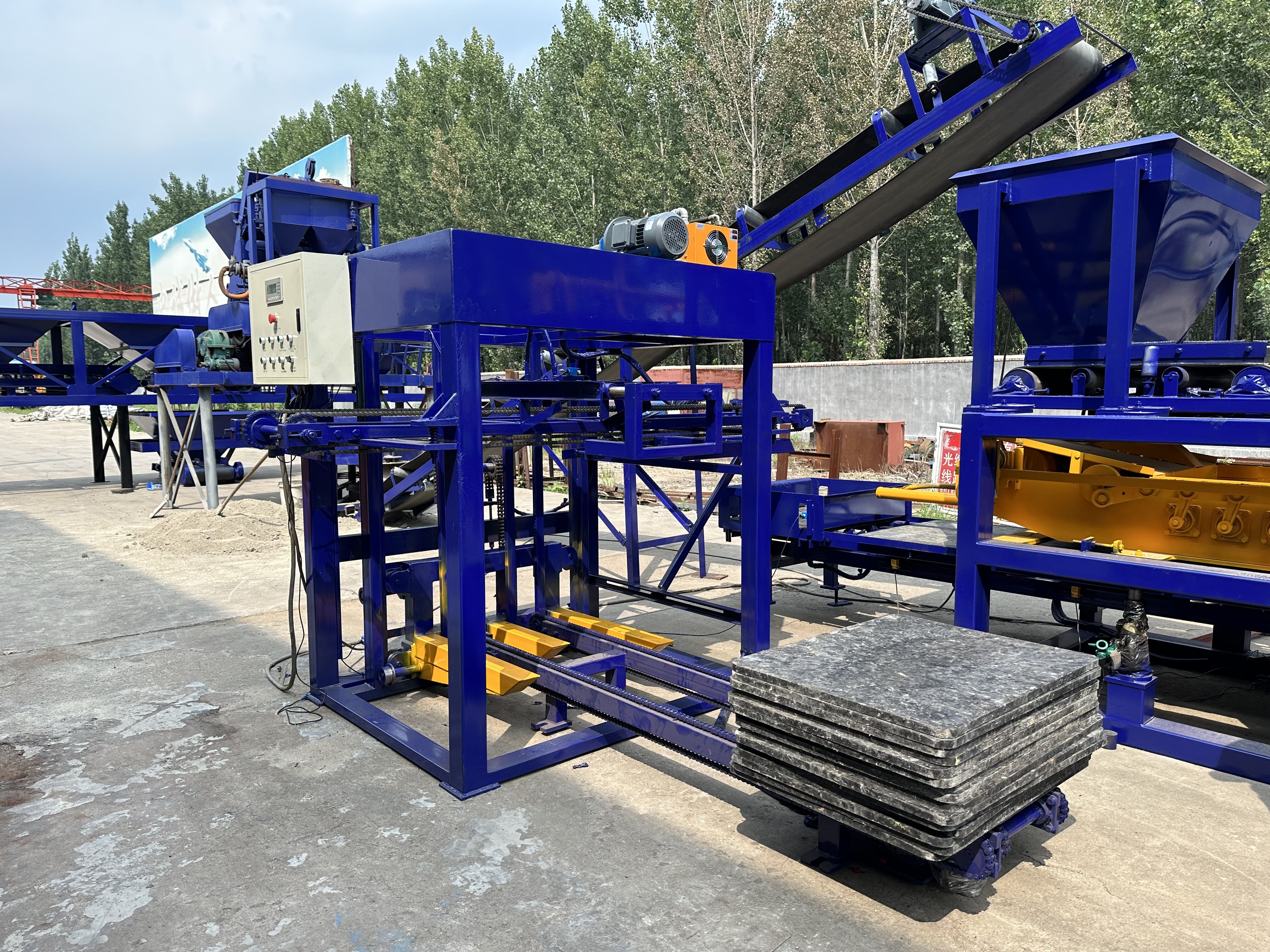
Mechanical Completion Verification and Deficiency Resolution
To check if everything is structurally sound, make sure those anchor bolts are torqued correctly, staying within about plus or minus 5% of what's specified. The frame should also align pretty closely, no more than half a millimeter per meter out of place. When it comes to molds, we need to calibrate their dimensions using proper measuring tools that can be traced back to standards. If the conveyor belt starts drifting off course by more than three millimeters, that needs fixing right away before moving forward. Let's set up some sort of standard system for marking problems we find. Critical stuff like mold guides that aren't lined up properly or load bearing bolts that haven't been tightened enough will stop us from starting up operations completely. For bigger issues, we give ourselves 24 hours to fix them. Smaller things just get noted down so someone can look at them after everything gets running. According to some industry research published last year in Machinery Safety Quarterly, around 45 percent of early mechanical breakdowns actually come from these kinds of small issues that weren't addressed during setup.
Hydraulic Line Flushing, Pressure Testing, and Dry-Run Validation
For hydraulic systems to function properly, they need to comply with ISO 17/15/12 cleanliness standards. This usually means running cascade flushes until the fluid has the right particle count levels. When testing pressure, it's important to push circuits to 150% of their normal operating load and keep them there for half an hour. If there are leaks that exceed just 0.1% of the total flow volume, this points to seal problems that definitely need fixing before anything else happens. Always do some sensor calibrated dry runs first when getting ready to introduce new materials. These tests help confirm whether everything works as expected with regard to basic system functions.
| Parameter | Target Tolerance | Calibration Method |
|---|---|---|
| Vibration frequency | ±2% | Laser tachometer |
| Ejection alignment | <1.0mm offset | Laser alignment system |
| Cycle timing | ±0.5s | PLC program diagnostics |
Functional dry runs expose 68% of control logic errors (ISO 11171, 2020). Proceed only after all metrics are met across 10 consecutive cycles—no exceptions.
Step-by-Step Commissioning of the Automatic Concrete Block Making Machine
Safety-Critical Wet Run Sequencing and Output Quality Calibration
Start the wet commissioning process by checking safety first. Make sure those emergency stops work properly and that all the guarding systems respond correctly when running at low speed. Use water instead of concrete for these tests because it's safer and easier to clean up if something goes wrong. Once safety checks pass, slowly bring in the actual concrete mixture. Keep an eye on how smoothly it flows through the hopper and watch the way it fills the molds. Pay attention to any irregularities. During compaction, monitor the vibrations closely. If one side is shaking harder than the other, that usually means the material isn't compacting evenly throughout. Catching this early can save a lot of headaches later on.
Once we've completed three rounds of testing, it's time to check our products against industry standards. For size consistency, we need to meet ASTM C140 requirements, while compressive strength should align with ASTM C39 specifications. Our goal is to reach at least 3,000 pounds per square inch within seven days for regular blocks. When things don't quite measure up - if dimensions drift beyond plus or minus 1.5 millimeters or strength tests come back below expectations - we tweak the process. Most often, this means making small adjustments to vibration times and hydraulic pressure levels, usually changing them by about 5% at a time. Every modification gets recorded carefully so we can track what works best over time. This documentation helps create reliable parameters that keep production running smoothly without constant recalibration.
Common Commissioning Pitfalls and How to Avoid Them
Industry analysis identifies five recurring commissioning pitfalls responsible for 42% of project overruns (Industrial Automation Journal, 2024). Proactive mitigation ensures faster ramp-up and sustained reliability:
- Late-phase integration: Design-stage commissioning planning—especially PLC-hydraulic interface specifications—is essential. Retrofitting synchronization logic post-installation invites delays and instability.
- Ambiguous accountability: Assign a single commissioning lead with cross-functional authority across mechanical, electrical, and controls teams to eliminate handoff gaps.
- Incomplete documentation: Replace verbal handovers with digital logs using standardized templates for vibration calibration, pressure tests, and deficiency resolution.
- Schedule compression: Build in 20% time buffers—and prioritize safety-critical wet runs first—to protect testing integrity amid construction delays.
- Component-focused testing: Isolated subsystem checks mask interface failures. Conduct full-cycle simulations—including material feed, compaction, ejection, and stacking—before loading concrete.
Adhering to this structured approach reduces commissioning-related downtime by up to 30% and accelerates achievement of target output quality.
FAQ
How important are pre-commissioning checks?
Pre-commissioning checks are crucial as they prevent operational failures and reduce unscheduled downtime, ensuring a seamless transition from installation to production.
What are common commissioning pitfalls and how can they be avoided?
Common pitfalls include late-phase integration, ambiguous accountability, incomplete documentation, schedule compression, and component-focused testing. These can be avoided with design-stage planning, assigning a commissioning lead, using digital logs, allowing time buffers, and conducting full-cycle simulations prior to concrete loading.
What are the key components of an automatic concrete block making machine?
The main components include the mechanical structure, mold system, hydraulic power unit, PLC control architecture, and vibratory compaction system.