 ×
×
In the modern era of building materials manufacturing, choosing between fully automatic fly ash brick making machine and semi-automatic equipment is a critical decision for brick factory investors. Differences in automation level, production efficiency, and applicable scenarios directly affect operational cost and return on investment.
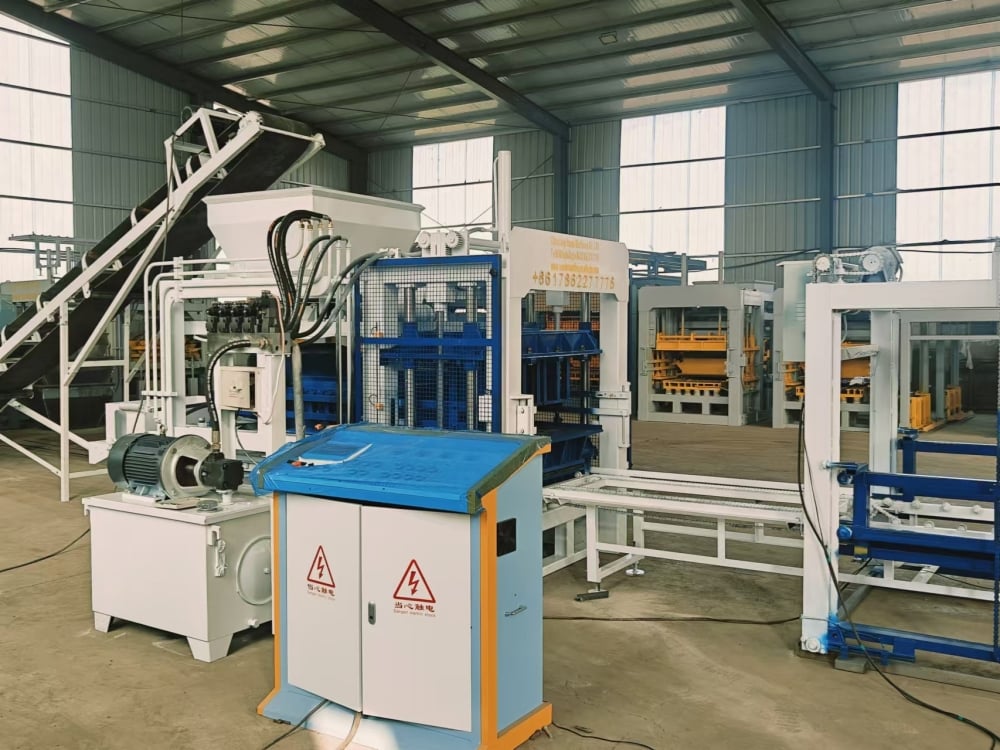
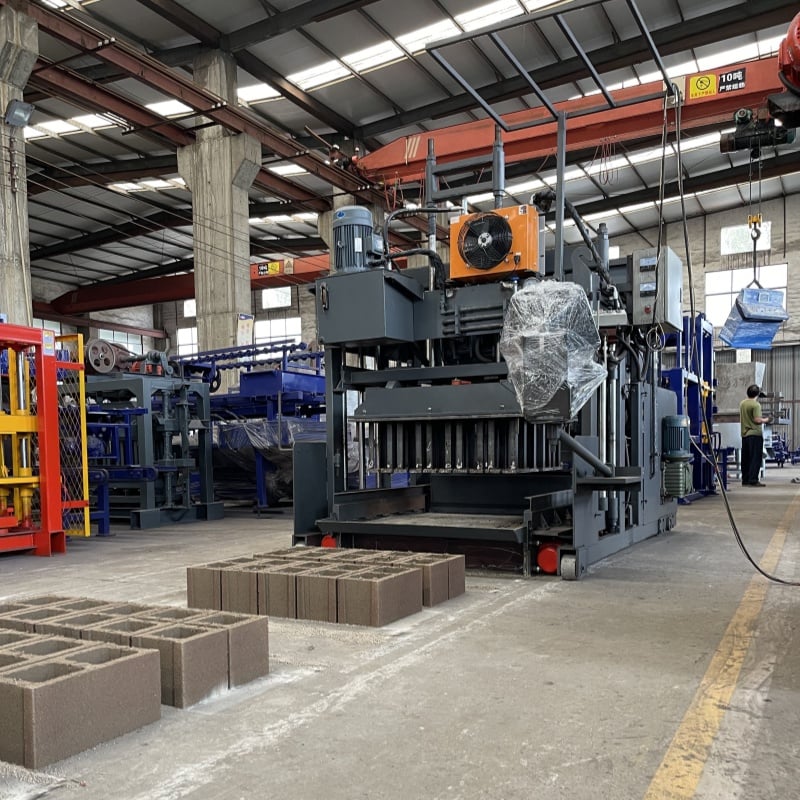
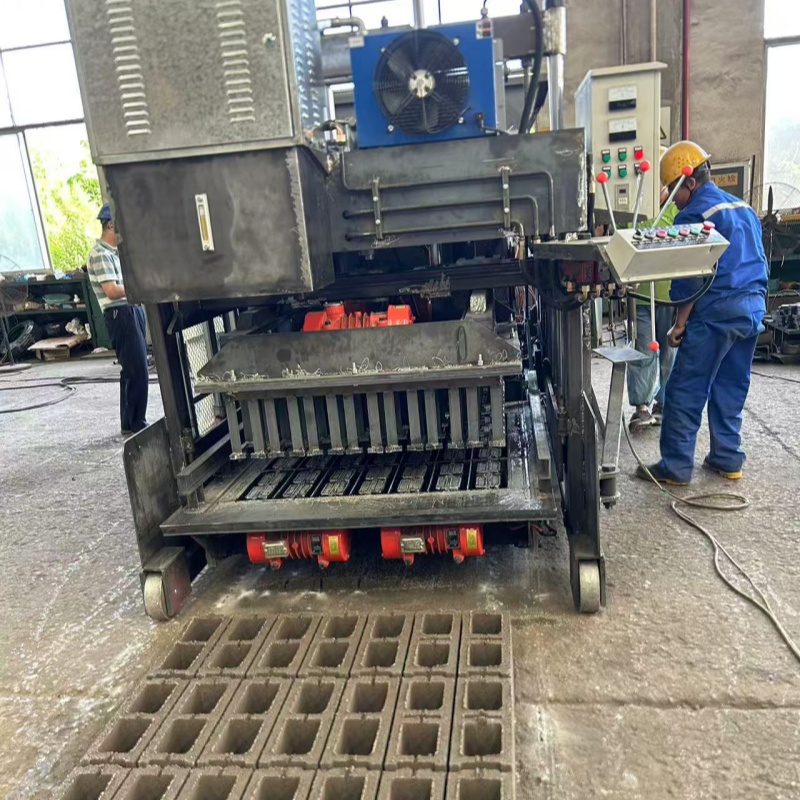
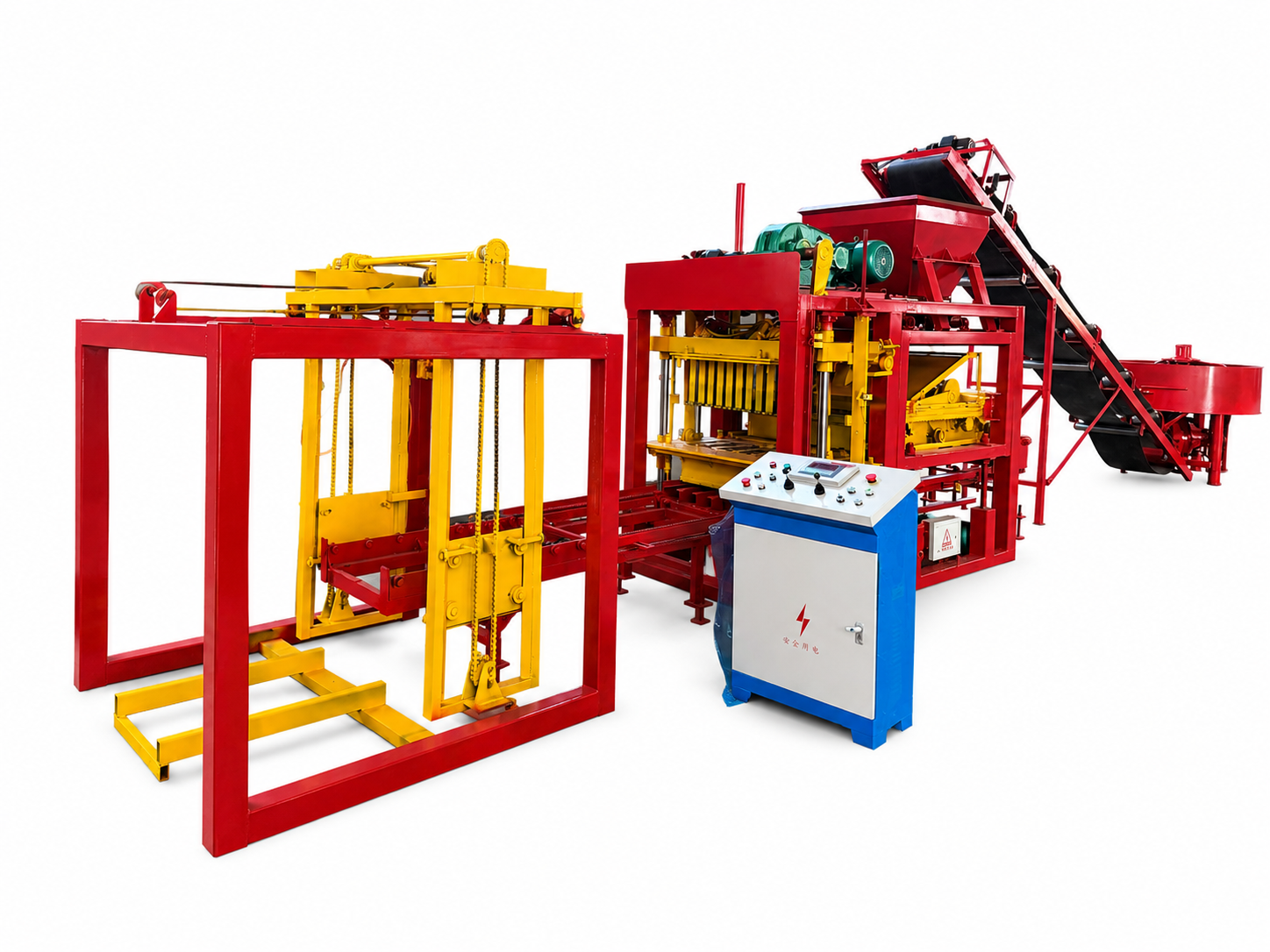
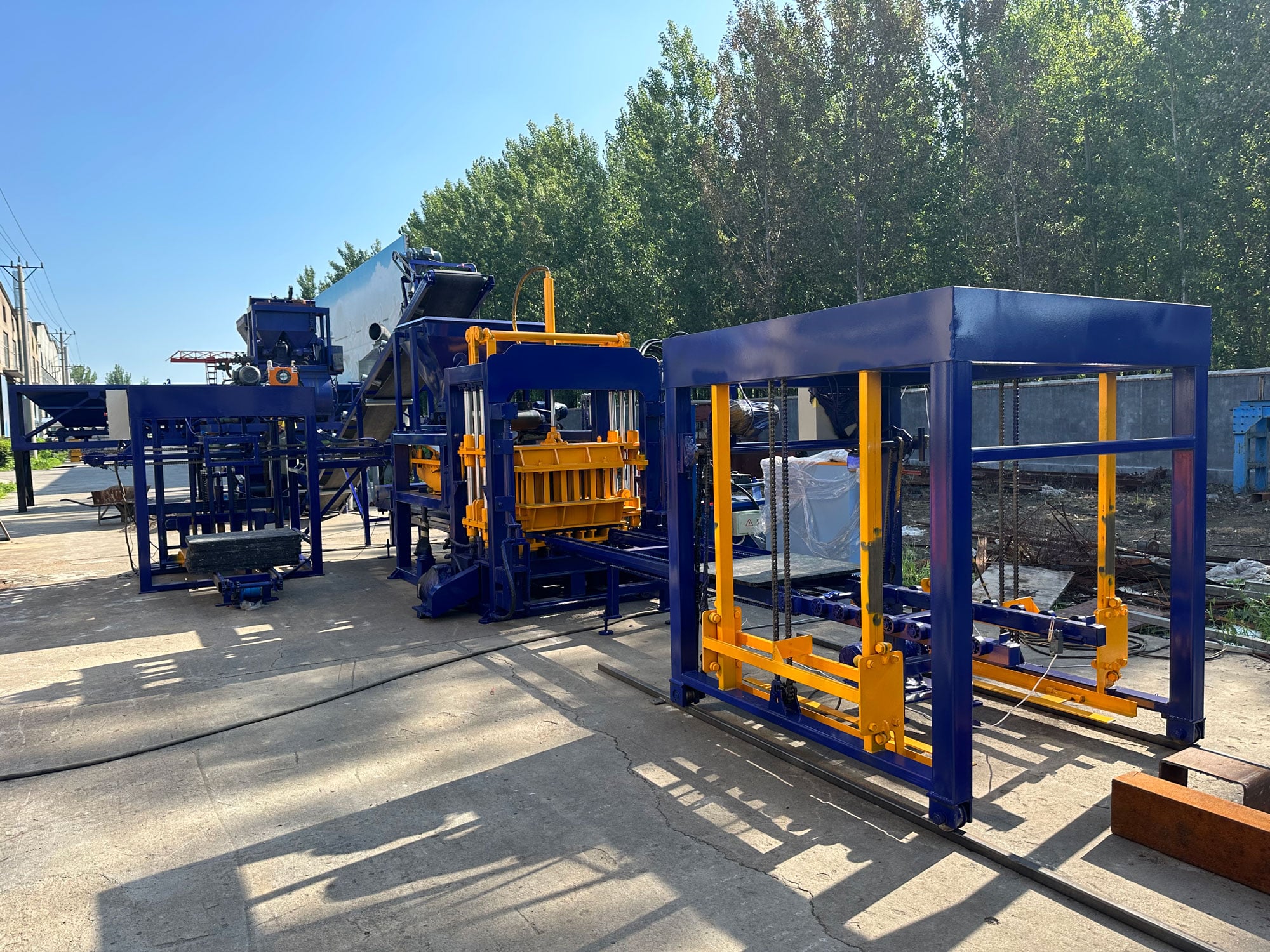
The fully automatic fly ash brick making machine uses advanced PLC control systems and hydraulic linkage technology to automate the entire brick production process. This includes raw material proportioning, fabric distribution, forming, and stacking. For instance, models like QT12-15 are capable of computer-controlled operations from loading to palletizing without manual intervention.
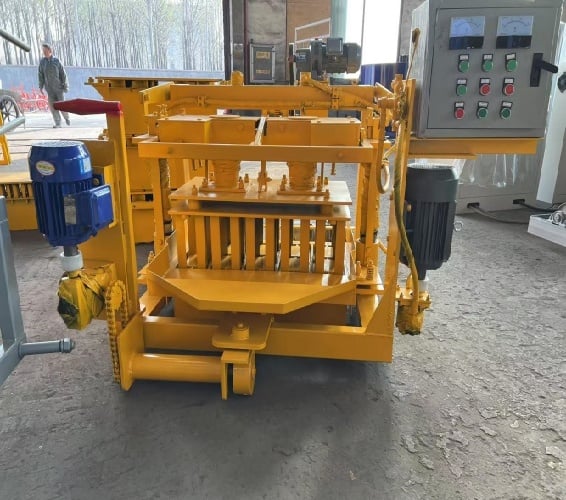
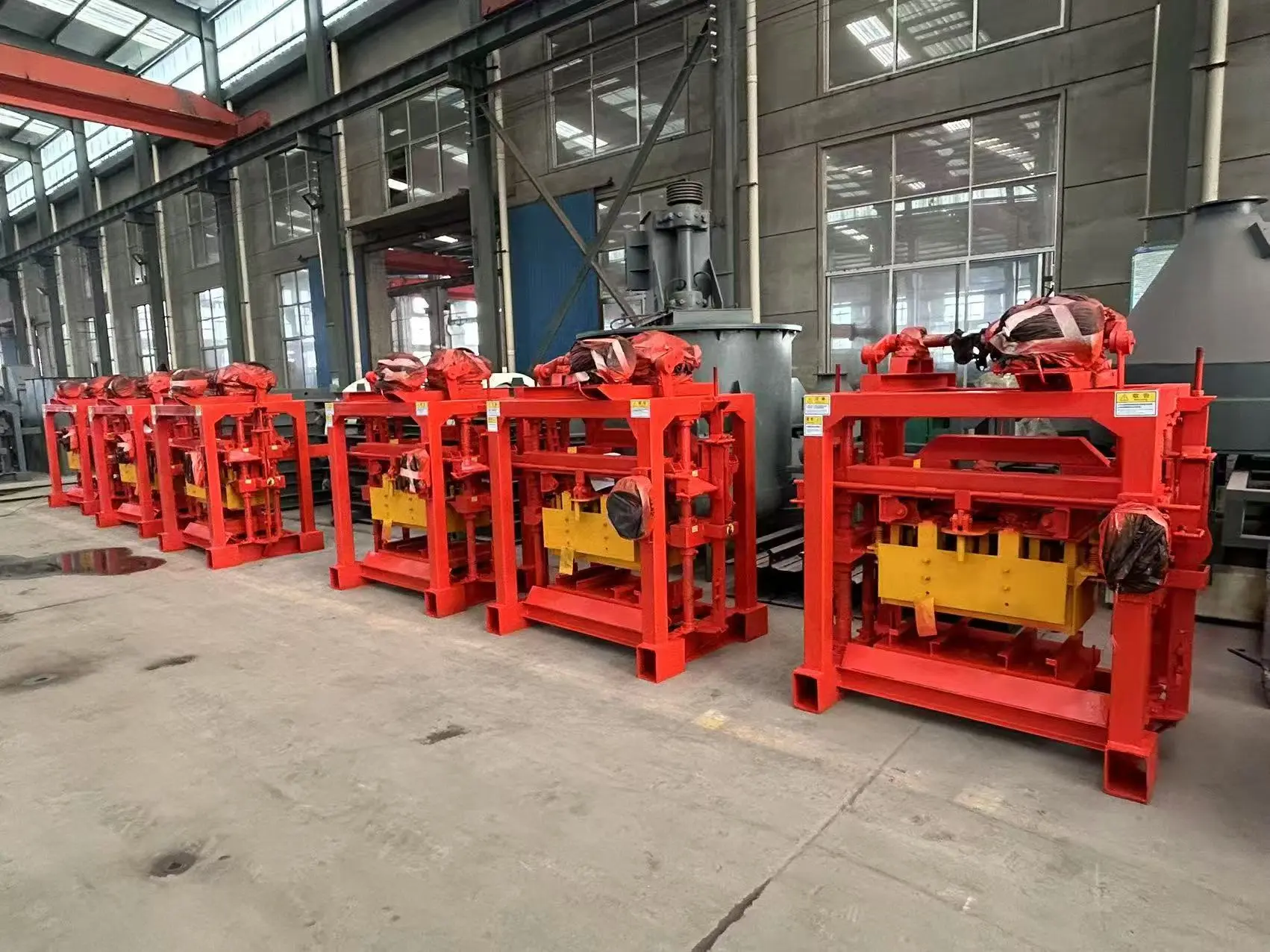
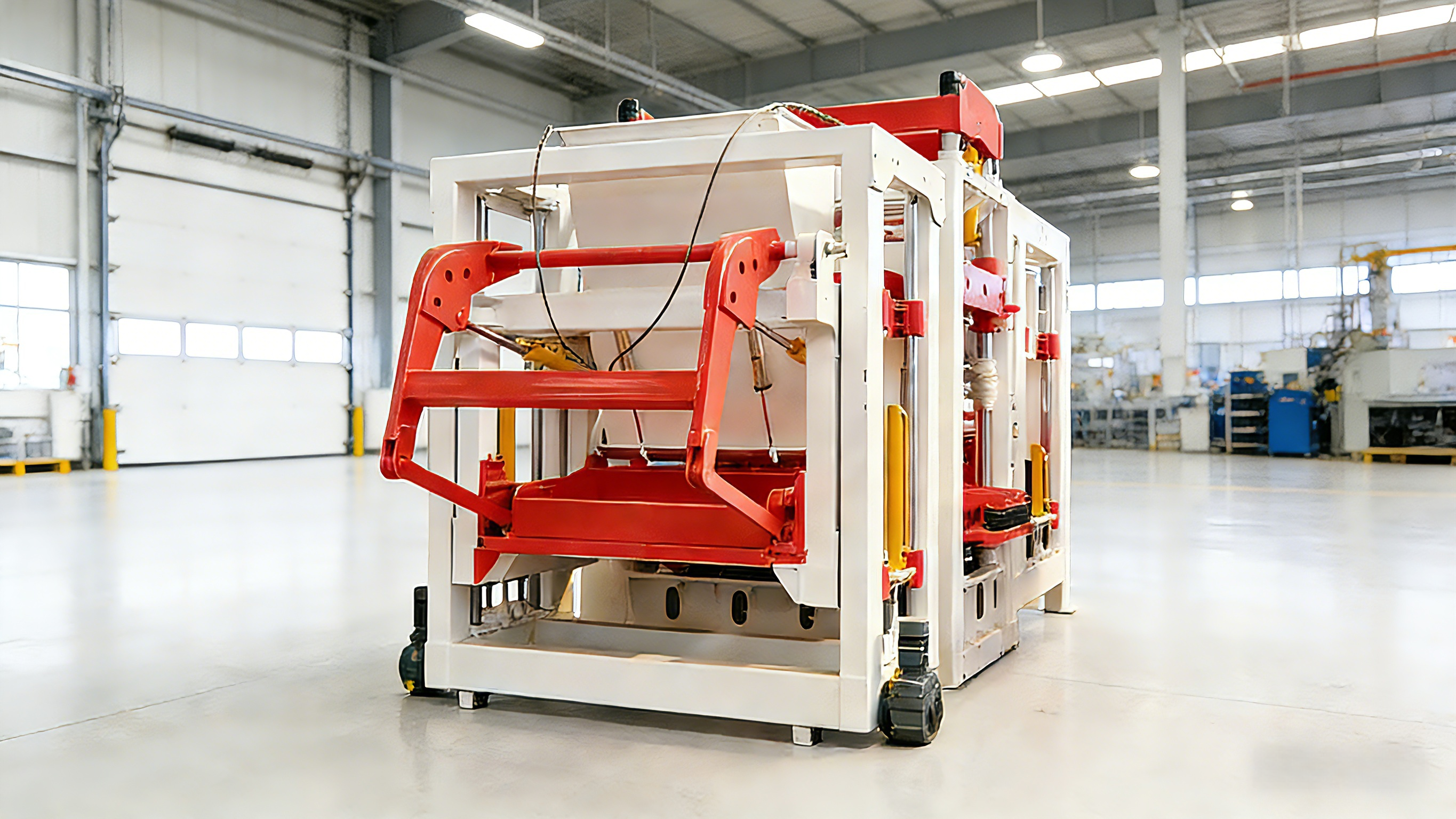
In contrast, semi-automatic machines require manual operations for feeding, demolding, and maintenance. These manual steps not only slow production but also increase dependency on skilled labor for consistent output.
Production capacity is one of the most significant differences. Fully automatic machines have a molding cycle of only 12–16 seconds, allowing a single unit to produce up to 60 million standard bricks per year. Semi-automatic models, limited by human labor, typically achieve less than one-third of this output.
While fully automatic fly ash brick making machines require a higher initial investment, they can save over 370,000 yuan annually in labor and steam costs per unit. Semi-automatic machines have a lower purchase cost but need more than three times the labor force and incur higher long-term operation and maintenance expenses.
The fully automatic mode is ideal for large-scale projects due to its high efficiency and environmental performance. Features include:
• Solid waste utilization rate exceeding 90%
• Closed-loop production system
• Suitable for large building materials factories and municipal engineering projects
Semi-automatic equipment offers portability and maneuverability, making it better suited for:
• Small workshops and rural brick factories
• Decentralized or small-batch production
• Raw materials limited to cement, sand, and gravel
When selecting a brick making machine, investors should consider:
• Scale of Production: Large factories benefit more from fully automated systems.
• Labor Costs: Fully automatic machines reduce labor dependence significantly.
• Operational Flexibility: Semi-automatic equipment is easier to deploy in diverse or smaller-scale environments.
• Return on Investment: Higher initial cost of fully automatic machines is offset by long-term savings and higher output.
For modern brick production, fully automatic fly ash brick making machines offer superior efficiency, cost savings, and environmental performance, making them ideal for large-scale factories and municipal projects. Semi-automatic machines, while less expensive upfront, are better suited for small workshops or decentralized production. Choosing the right equipment depends on production goals, budget, and operational requirements.
 Hot News
2026-09-09
2026-08-28
2026-08-18
2026-07-02
2026-04-24
2026-04-22
Linyi Yaoda Machinery Co., Ltd. provides fully automatic brick making machines, AAC block equipment, and concrete mixers for global construction. Precision-engineered (±0.01mm), ISO-compliant, exported to 60+ countries. Trusted by 500+ clients. Request a quote today.
Dazhuang Economic Development Zone, Yinan County, Linyi City, Shandong Province, China
Copyright © 2025 Linyi Yaoda Machinery Co., Ltd.All rights reserved. Privacy Policy

 EN
EN