 ×
×
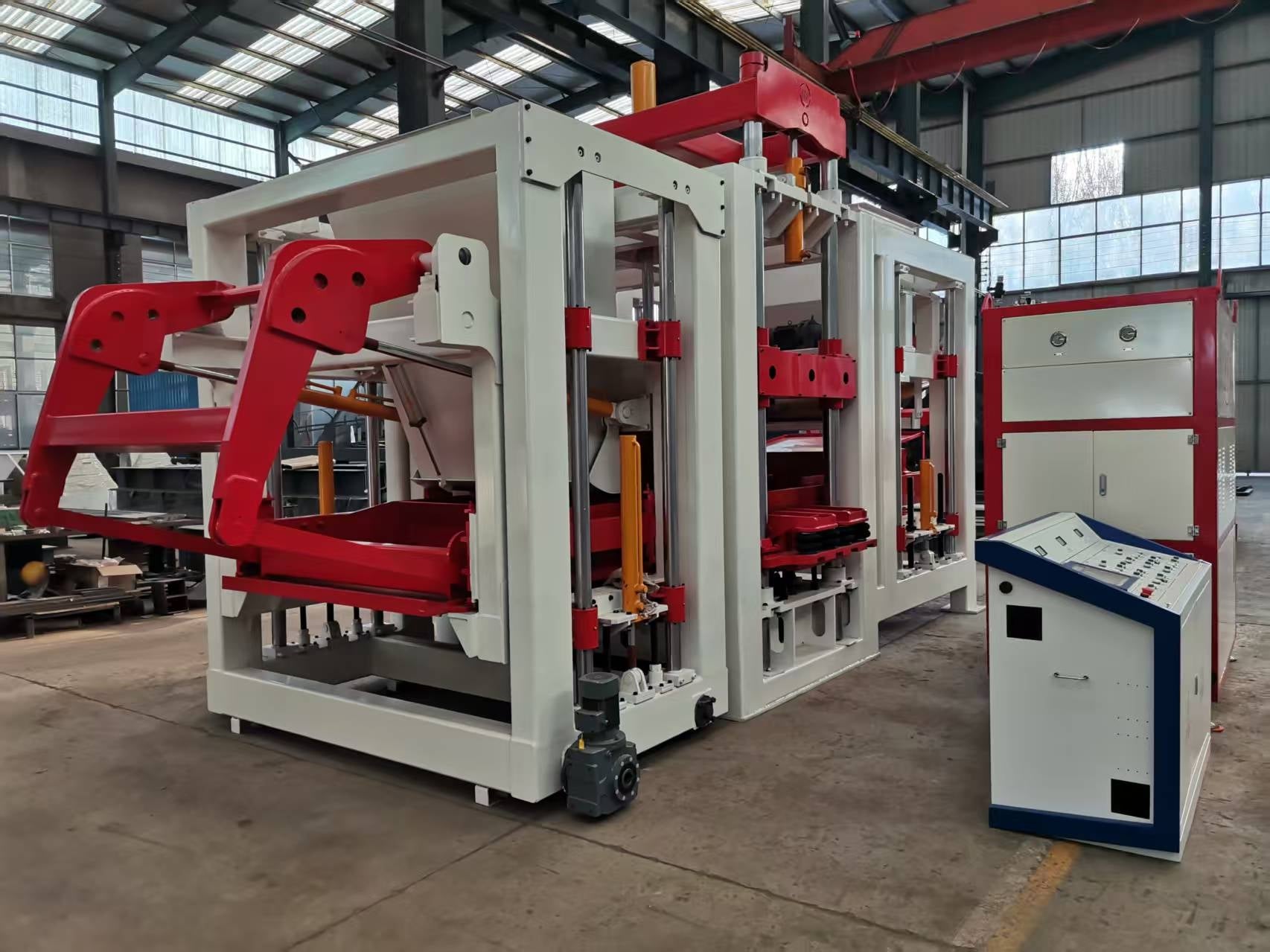
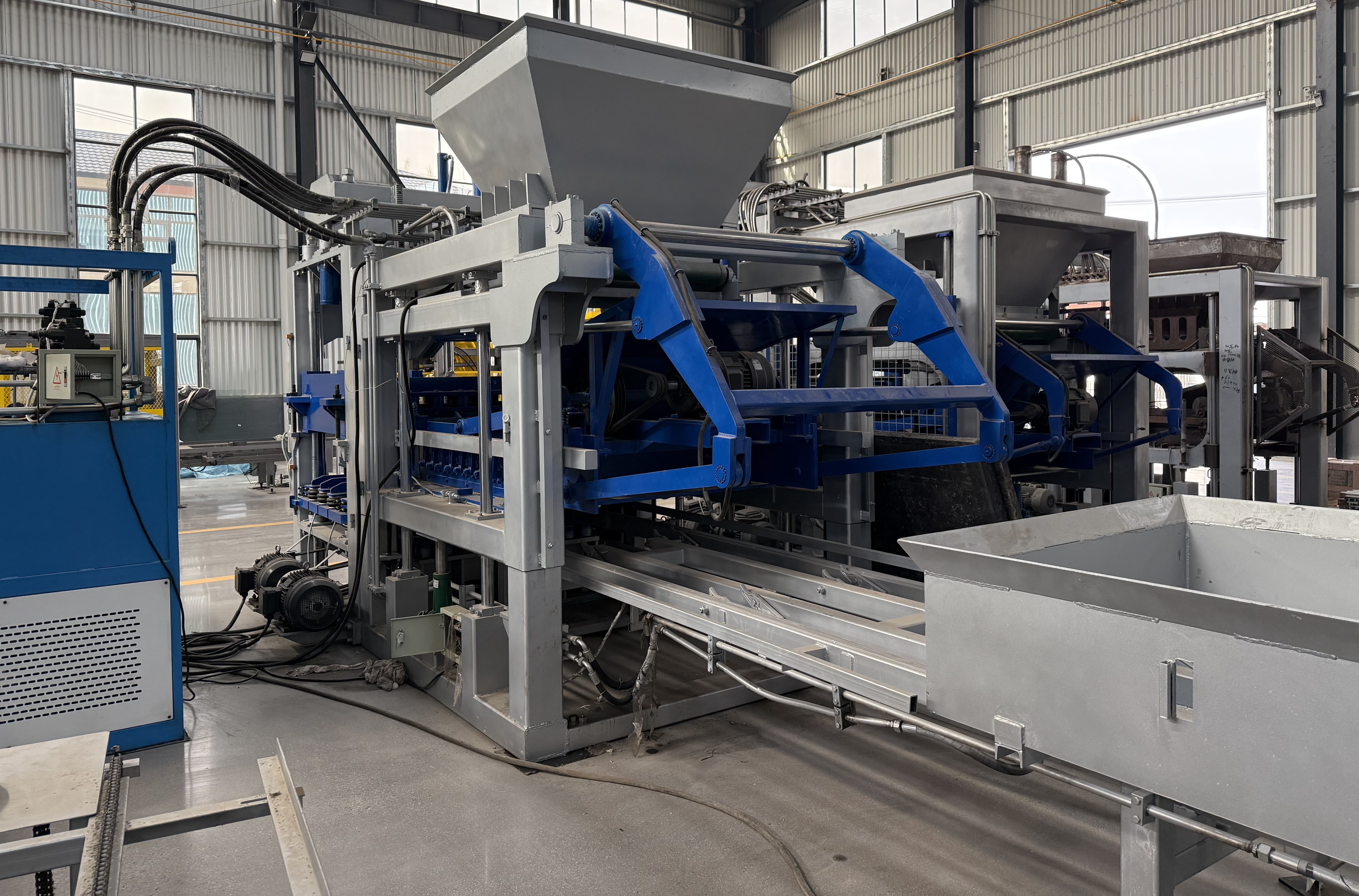
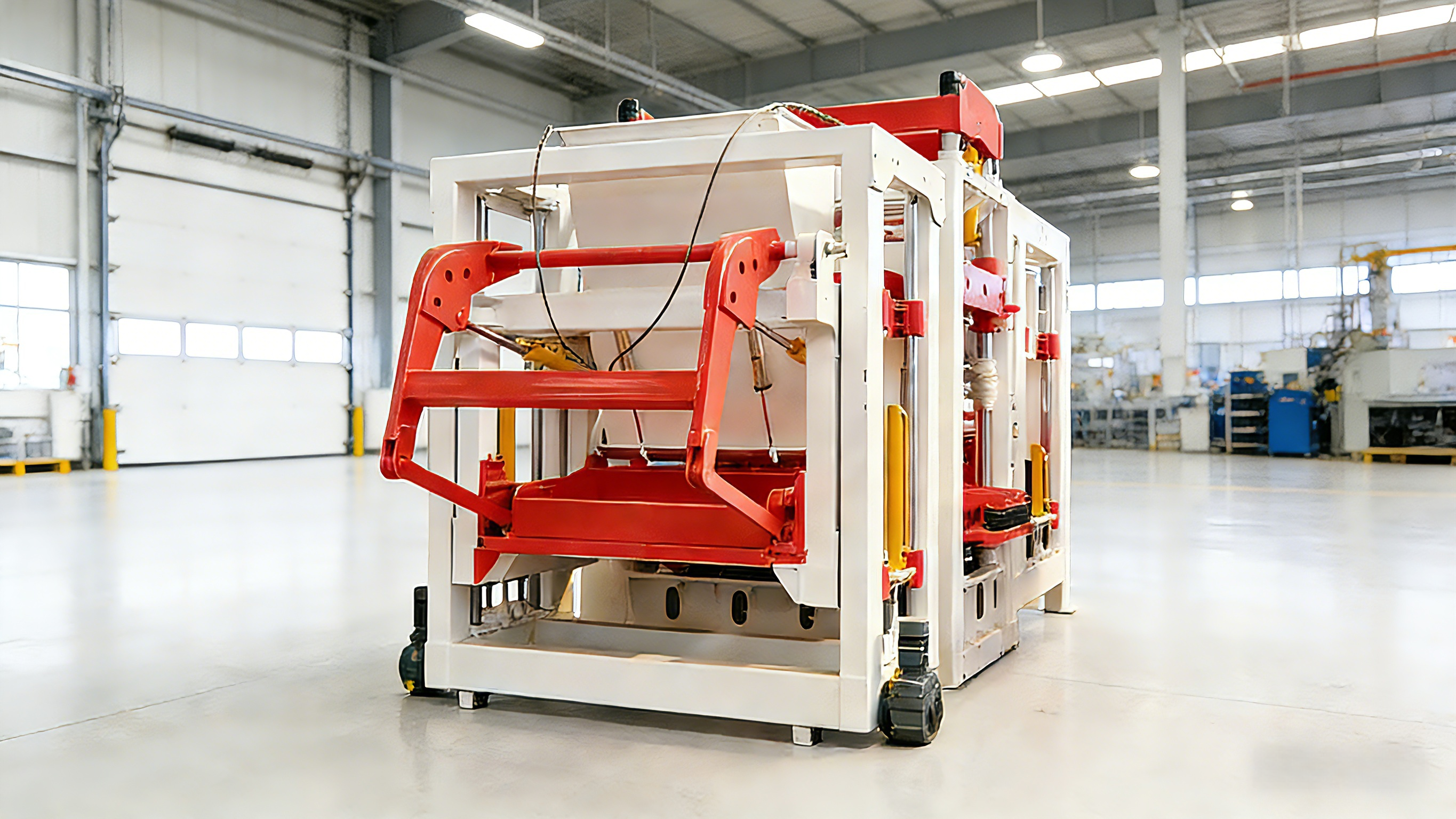
The service life of brick making machines is directly linked to production efficiency, and the material of the core components is the key to determining the durability of the equipment. Industry data shows that high-quality materials and advanced technology can extend equipment lifespan by 2-3 times, becoming the core breakthrough for brick factories to reduce costs and increase efficiency.
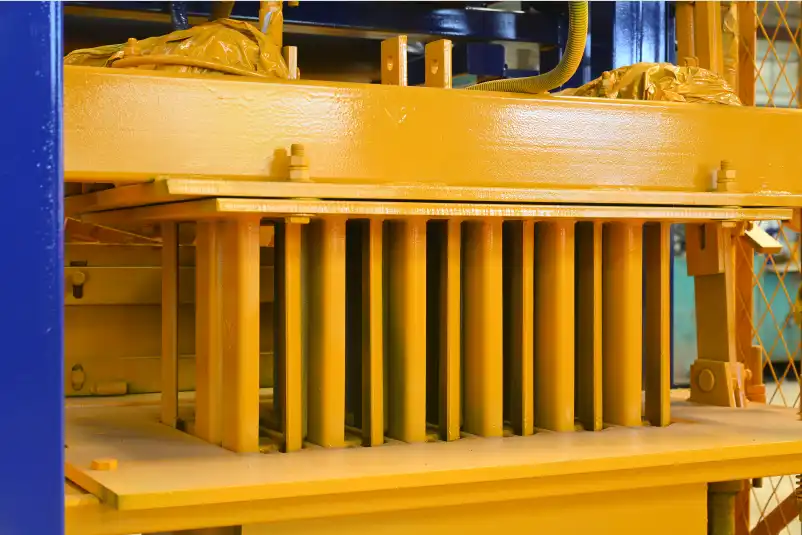
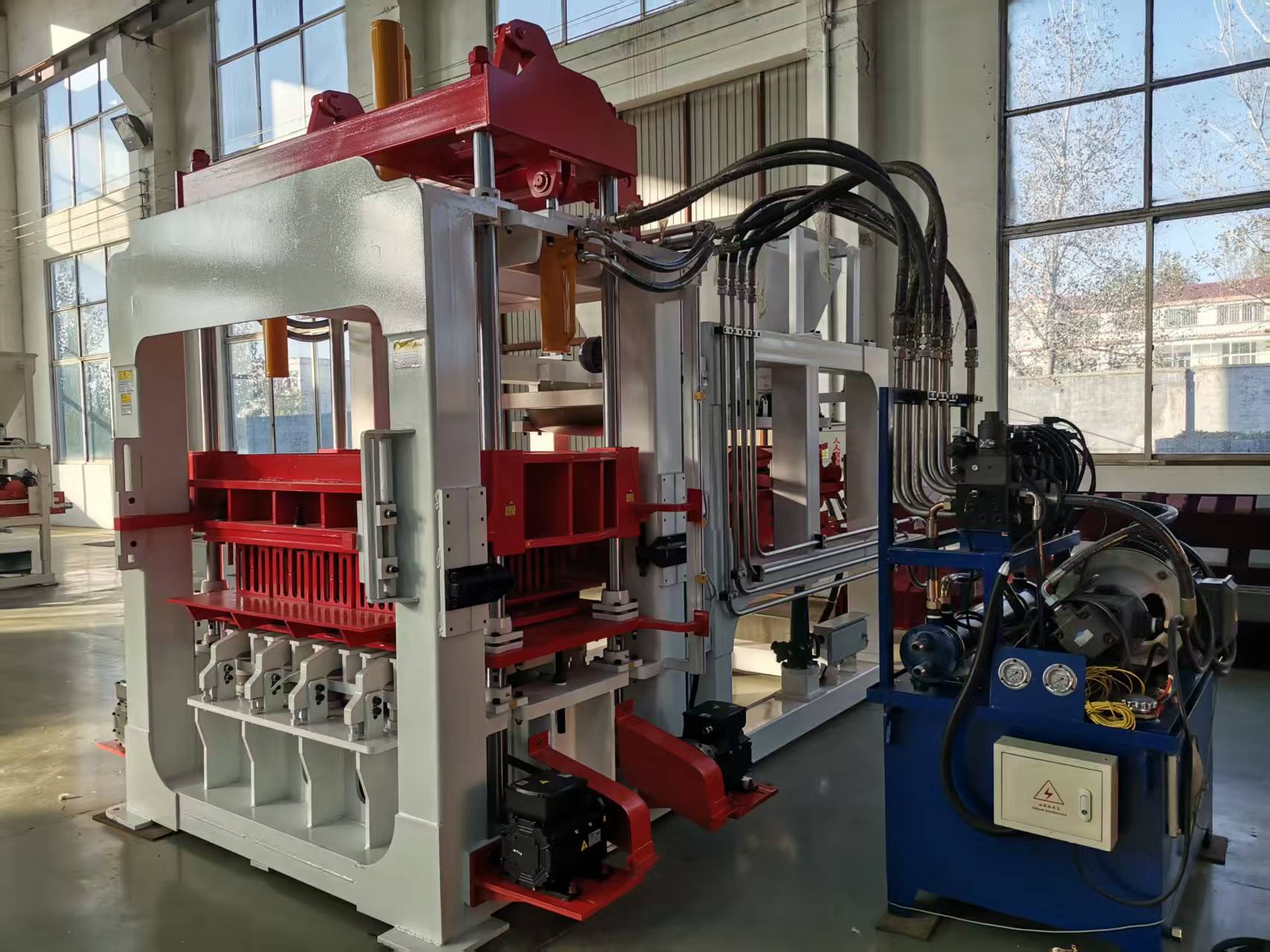
The significant difference in core component materials affects the wear rate. As a high-frequency loss component, the traditional Q235 steel material has a Vickers hardness of only 150-200HV, and the monthly wear depth can reach 0.5mm under sand and gravel friction, requiring frequent replacement; The mold made of tungsten carbide hard alloy has 30 times the wear resistance of ordinary steel and can run continuously for more than six months without significant loss. In terms of hydraulic system, the use of integral casting structure for oil cylinders and seals can avoid leakage problems caused by excessive clearance and extend the service life of the hydraulic system to more than 5 years.
Process upgrades further enhance equipment durability. High end models use processes such as template surface carburizing and high-frequency quenching of oil cylinders to form a strengthening layer on the substrate surface, increasing the hardness to over 500HV and effectively resisting abrasive wear and fatigue damage.
Standardized maintenance can slow down the aging rate of materials. Data shows that equipment that is regularly lubricated and cleaned has a 60% reduction in hydraulic system failure rate and a 40% reduction in mold replacement frequency. Industry advice is to clean up residual materials in the mold after daily shutdown, check the purity of hydraulic oil monthly, and calibrate the accuracy of core components annually, which can make the actual service life of the equipment close to 95% of the design life.
 Hot News
2026-09-09
2026-08-28
2026-08-18
2026-07-02
2026-04-24
2026-04-22
Linyi Yaoda Machinery Co., Ltd. provides fully automatic brick making machines, AAC block equipment, and concrete mixers for global construction. Precision-engineered (±0.01mm), ISO-compliant, exported to 60+ countries. Trusted by 500+ clients. Request a quote today.
Dazhuang Economic Development Zone, Yinan County, Linyi City, Shandong Province, China
Copyright © 2025 Linyi Yaoda Machinery Co., Ltd.All rights reserved. Privacy Policy

 EN
EN