 ×
×

Home > Product > GMT Glass Fiber Brick Machine Pallet > White Glass Fiber Pallet
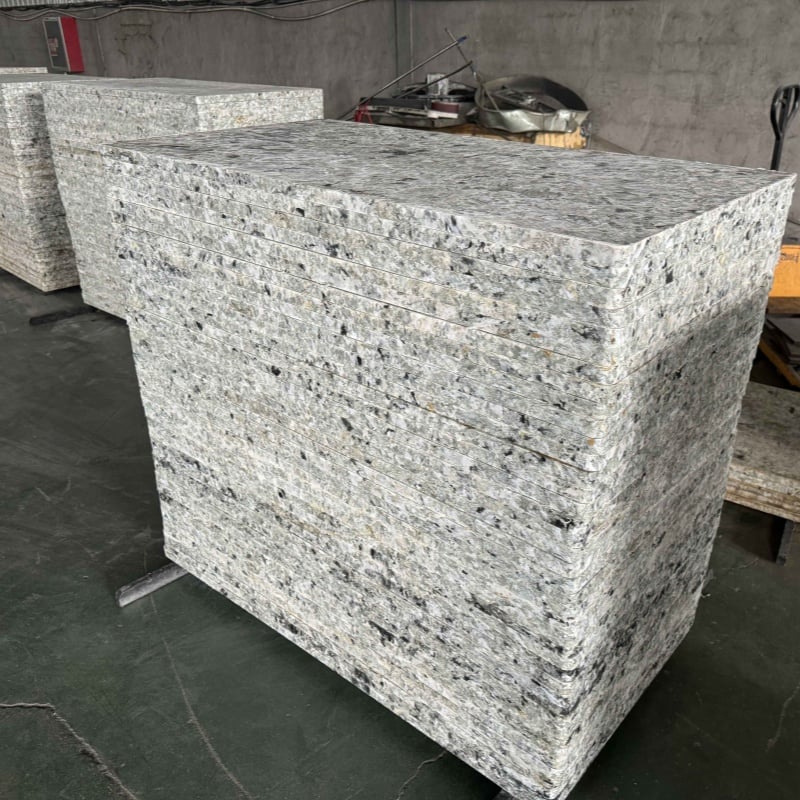
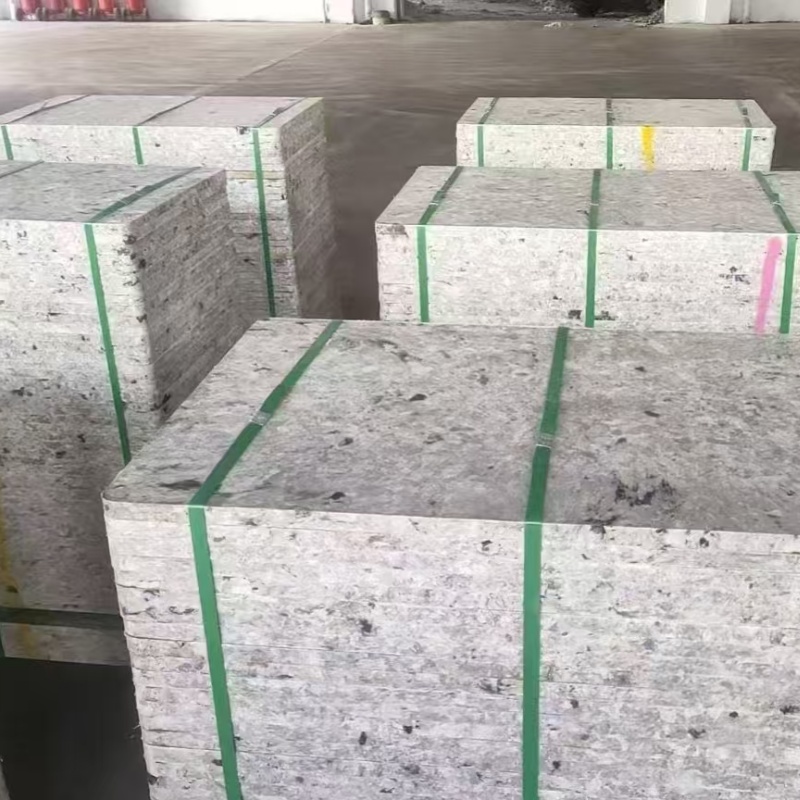
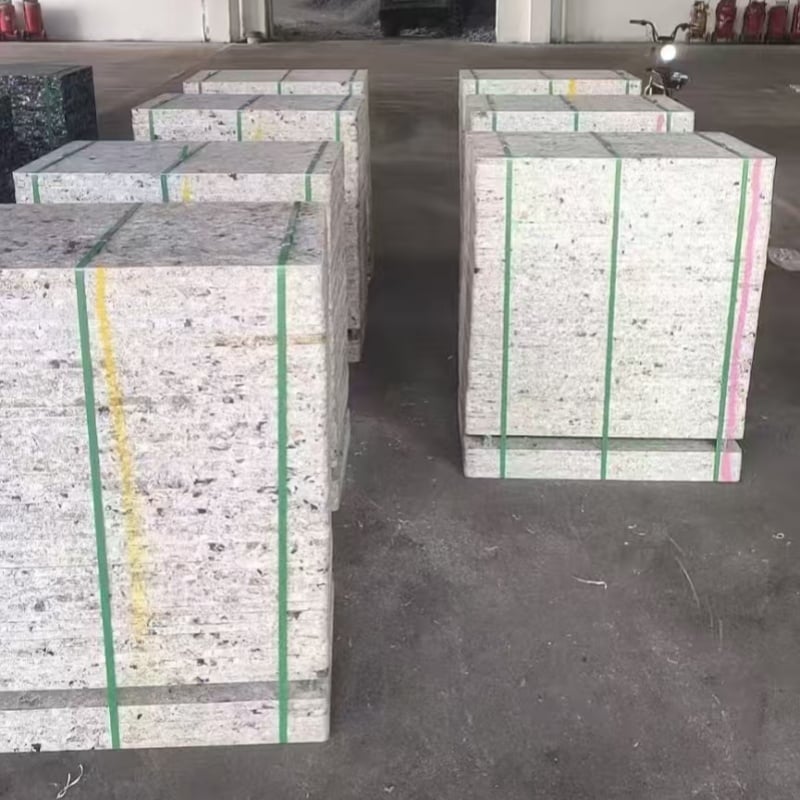
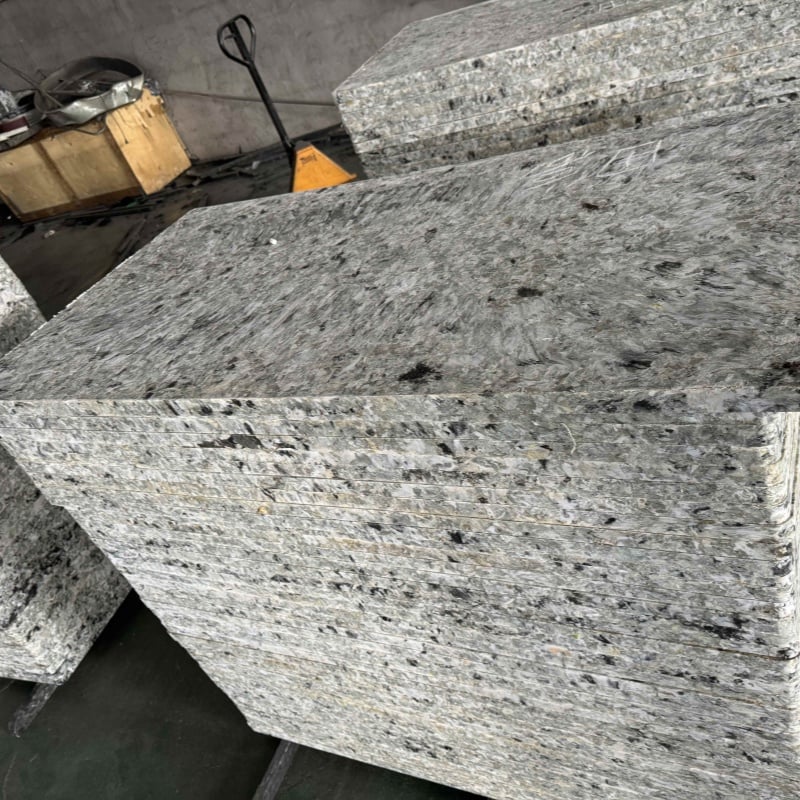
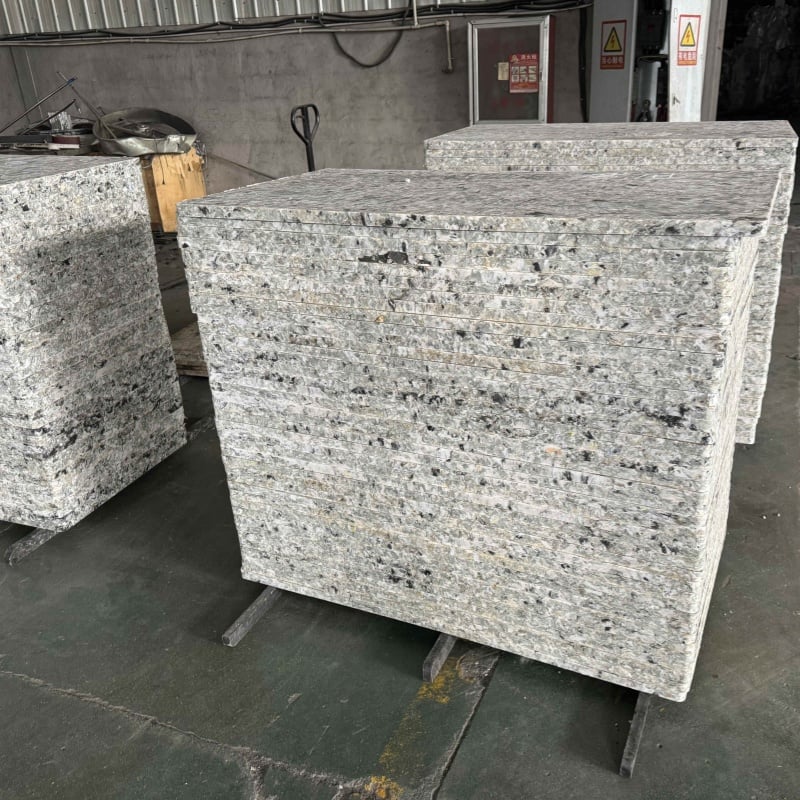
High Strength and Clean Appearance:
Made from GMT fiberglass composite, offering strong load capacity with a fully white, clean surface.
Easy Inspection and Stable Performance:
White color allows quick quality checks, with excellent wear and weather resistance.
Wide Application and Ideal Replacement:
Suitable for fixed and mobile brick machines and steam curing, replacing wood, bamboo, and plastic pallets.
The white glass fiber brick machine pallet is a specialized turnover bearing component for brick making, which is made of glass fiber reinforced thermoplastic composite material (GMT, long glass fiber reinforced polypropylene) as the core, and is formed by high-temperature molding. It is completely white, with advantages such as high strength, weather resistance, wear resistance, and easy quality inspection. It is particularly suitable for scenarios that require high appearance quality of brick blanks, and is a high-quality choice to replace wooden, bamboo glue, and ordinary plastic pallets. It is suitable for fixed/mobile brick machines and the entire process of steam curing.
Performance |
Strength |
Quality |
Comparison |
Rigidity |
Elasticity Modulas 3.7 GP |
No Deformation |
More Rigid than same thicknesss solid wood pallet |
High LoadBearing |
Max load 2.0kn,BendingStrength 51.0 MPa |
Stand bigpressure, highload, and bringsno rupture |
Higher LoadBearing than samethickness PVC andsolid wood Pallet |
Anti-abrasion |
Rockwell Hardness 70 |
Long Life Span |
Better Performancethan plywood andbamboo woodPallet |
Anti-impact |
Withstand impact of 20KJ/m2 |
VibrationResistant,Anti-fall, and no Cracking |
Better Performancethan plywood andsolid wood Pallet |
1. Large, medium and small brick factories/scattered brick making projects
2. Batch production of bricks by large-scale building materials factories
3. Steam curing production line
4. Brick making in high-altitude/high-temperature areas
1. Better material performance: The white glass fiber pallet is reinforced with high-quality alkali free glass fiber as the base material, combined with an aging resistant and high-strength resin system, and formed under high temperature and high pressure. Glass fiber is evenly distributed and has a higher fiber content. The overall flexural and compressive strength of the pallet far exceeds that of wooden and ordinary plastic pallets, and even surpasses some black glass fiber pallets (due to differences in raw material purity and process accuracy). In the high-pressure impact and frequent turnover scenarios of brick forming, it is not easy to encounter problems such as fracture, delamination, and deformation. Its service life can reach 10 times that of ordinary wooden pallets, greatly reducing the cost of frequent replacement of pallets and downtime losses.
2. Strong weather resistance and corrosion resistance: The board itself has excellent chemical stability and can withstand long-term erosion from cement slurry, acidic and alkaline solutions, and humid environments. Even when stored outdoors or used in high humidity production workshops, it will not rot, mold, or rust; At the same time, it has good resistance to high and low temperatures, and its size and performance remain stable under environmental temperature differences of -40 ℃~80 ℃.
3. Excellent surface characteristics: The surface of the support plate is smooth and flat, and has good demolding properties. After the brick is formed, it is not easy to adhere to the surface of the support plate, which can effectively avoid defects such as missing corners and falling edges of the brick, and improve the qualification rate of finished bricks; In addition, white boards have better reflectivity than dark pallets, making it easier for workers to observe the formation of brick blanks and detect production defects in a timely manner in the workshop lighting environment.
5. Environmentally friendly and recyclable: The production process is pollution-free, and there is no odor or harmful gas released during use, which meets the requirements of environmentally friendly production; The scrapped pallets can be recycled and reprocessed (crushed and used as fillers for the production of other fiberglass products), without causing solid waste pollution, which is in line with the concept of green production.
6. Flexible size customization: Sizes can be customized according to different brick machine models and brick specifications (such as length 200-1300mm, width 50-500mm, thickness 20-50mm), whether it is producing standard bricks, hollow bricks, curbstones or irregular bricks, they can be accurately adapted; And the flatness of the board is high, which is not easy to warp after long-term use, ensuring the dimensional accuracy of the brick blank forming and adapting to the high standard requirements of automated brick production lines.
1. What payment methods are supported?
Alibaba platform payment
Bank transfer: Supports corporate account transfers (available for large orders, please contact customer service for confirmation);
Note: All payments are processed with SSL encryption to ensure the security of your funds and information.
2. Can you provide an invoice?
International orders: A commercial invoice will be provided and shipped with the goods for customs clearance purposes.
3. Are there discounts for large orders?
Yes! For bulk purchases or long-term cooperation customers, please contact customer service to apply for tiered discounts, customized solutions, or exclusive services. Specific discounts will be negotiated based on the product and order size.
4. What are the product usage steps? Is there a detailed user manual?
We will include a product manual, and remote video guidance is available during installation. Our professional customer service team will answer any questions you may have.
5. What is the product warranty period?
The product warranty is 1 year, core electrical components have a 6-month warranty, and the fiber tray has a 6-year warranty.
6. Are there any additional fees at the destination port? Who is responsible for them?
Common fees at the destination port must be settled by the consignee upon collection of the goods, including:
Terminal handling fee (D/O fee): Basic unloading and warehousing fees at the destination port;
Unpacking fee (for LCL shipments only): Shared among all LCL cargo;
Import duties and taxes: Customs duties and Value Added Tax (VAT), levied according to the regulations of the destination country's customs;
Demurrage charges: Storage delay fees charged by the terminal if the goods are not collected promptly after arrival.
7. How long after arrival at the port must the goods be collected? What are the consequences of not collecting the goods?
Collection time limit: The free storage period after the goods arrive at the port is usually 3-7 days (varies depending on the port);
Consequences of exceeding the time limit: Demurrage charges will be applied (accumulated daily). If the goods are not collected for more than 30 days, the terminal has the right to auction the goods as unclaimed cargo.
8. What if the goods are damaged, lost, or short-shipped?
Claim Requirements: Marine insurance must be purchased (strongly recommended for high-value goods);
Processing Procedure:
Inspect the goods immediately upon delivery. If any problems are found, take photos/videos immediately and obtain a damage certificate from the terminal;
Contact customer service within 24 hours to submit a claim application and supporting documents;
After verification by the insurance company, compensation will be paid within 7-15 business days based on the value of the goods.
Without insurance: The shipping company will only compensate according to international maritime law, with a limit of 8.33 Special Drawing Rights (SDR) per kilogram.
Linyi Yaoda Machinery Co., Ltd. provides fully automatic brick making machines, AAC block equipment, and concrete mixers for global construction. Precision-engineered (±0.01mm), ISO-compliant, exported to 60+ countries. Trusted by 500+ clients. Request a quote today.
Dazhuang Economic Development Zone, Yinan County, Linyi City, Shandong Province, China
Copyright © 2025 Linyi Yaoda Machinery Co., Ltd.All rights reserved. Privacy Policy

 EN
EN