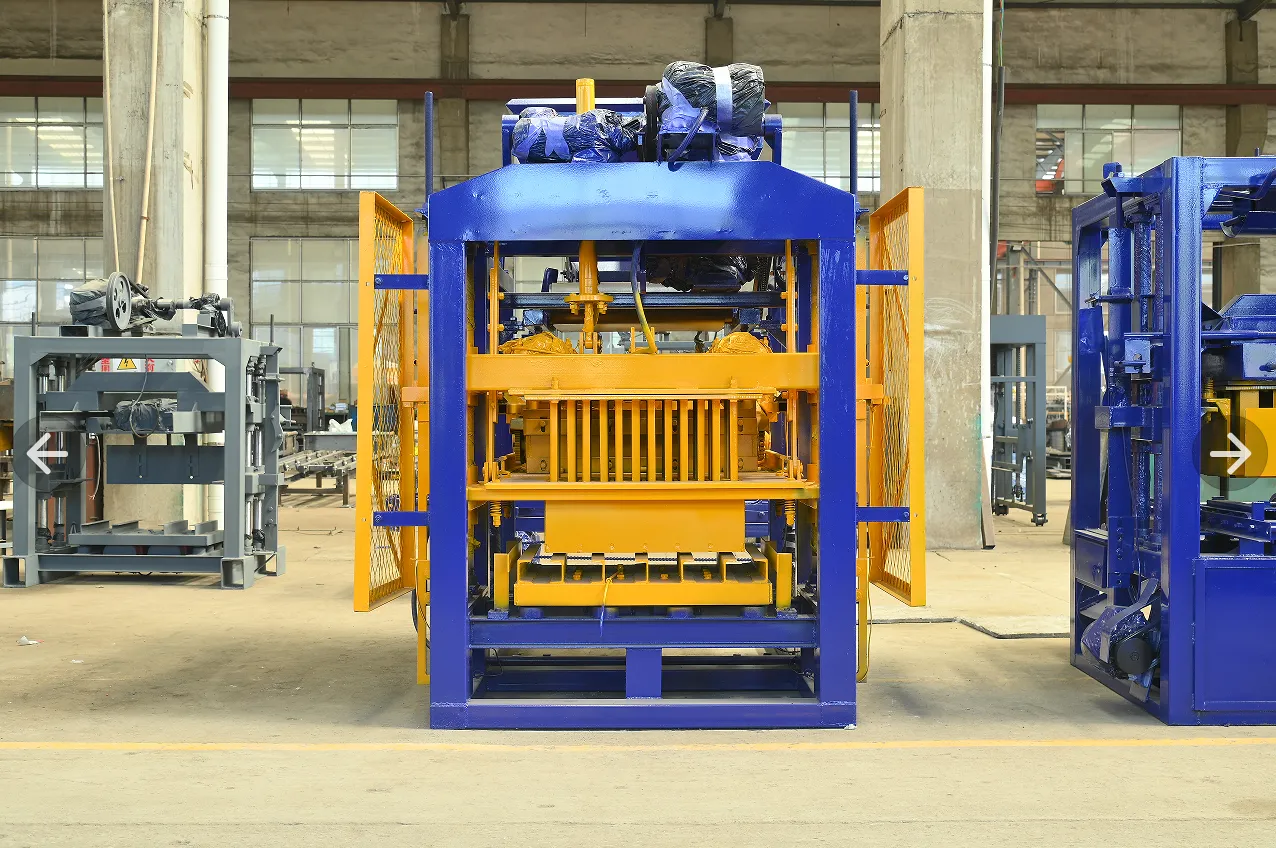
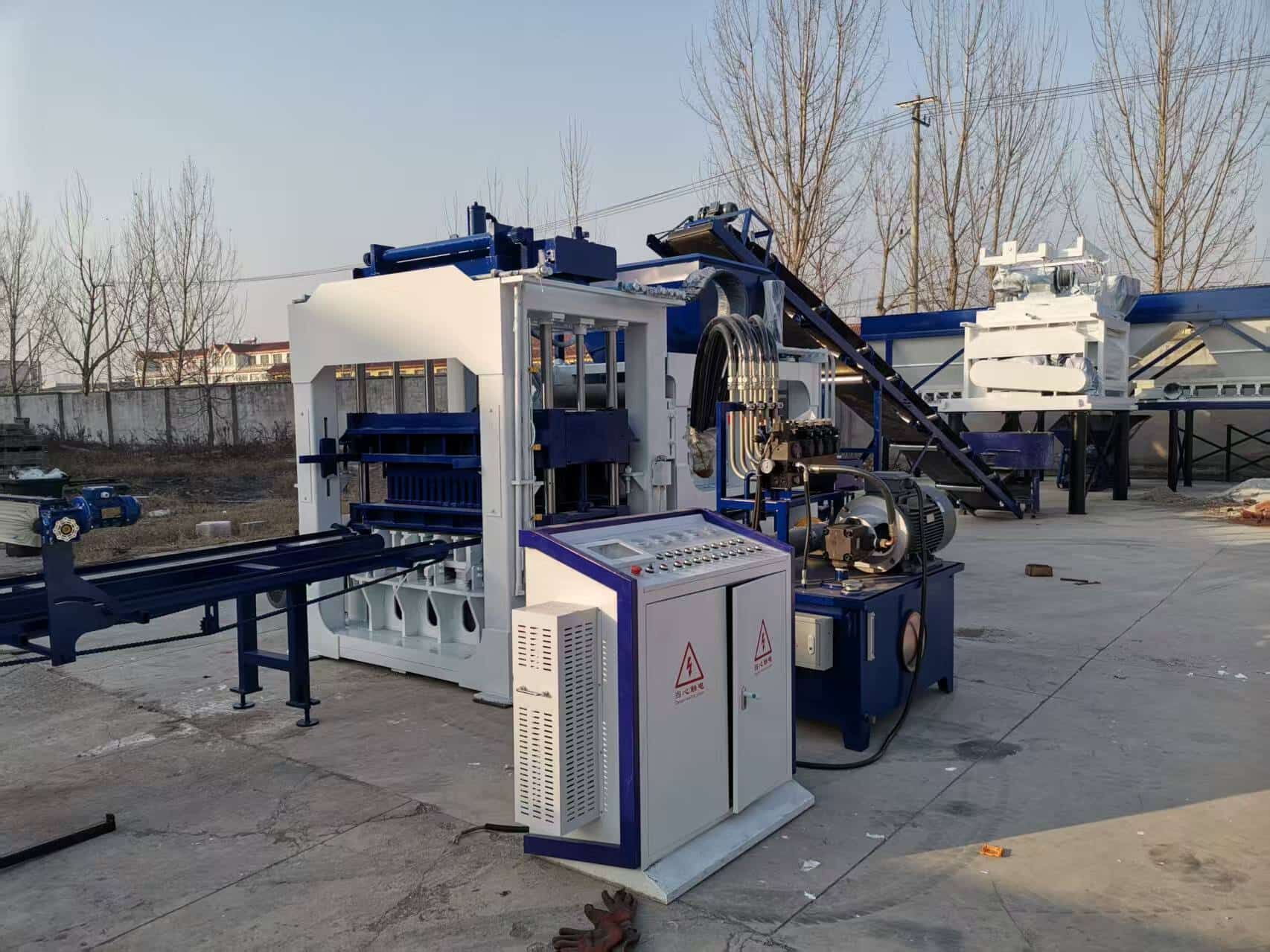
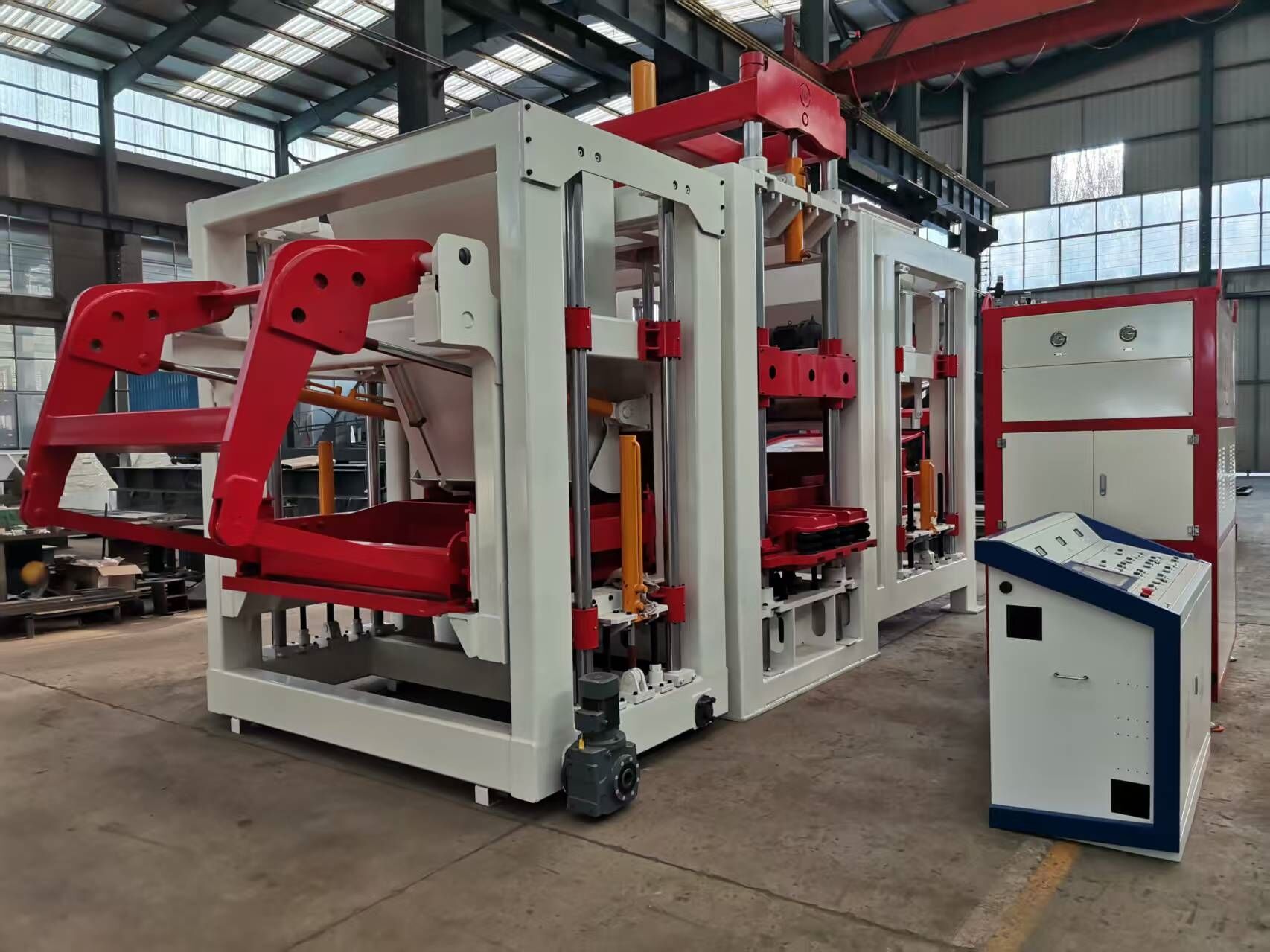
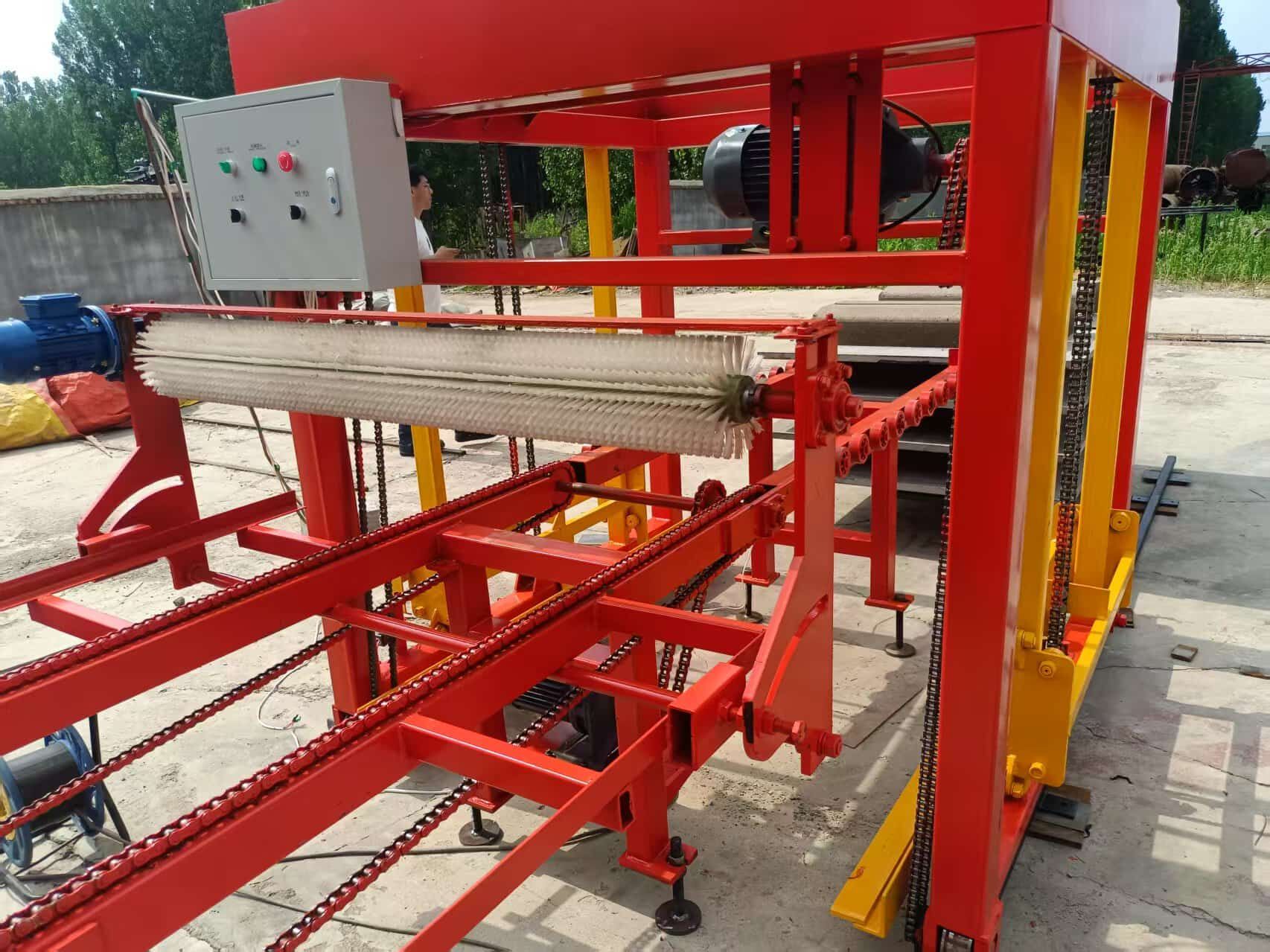
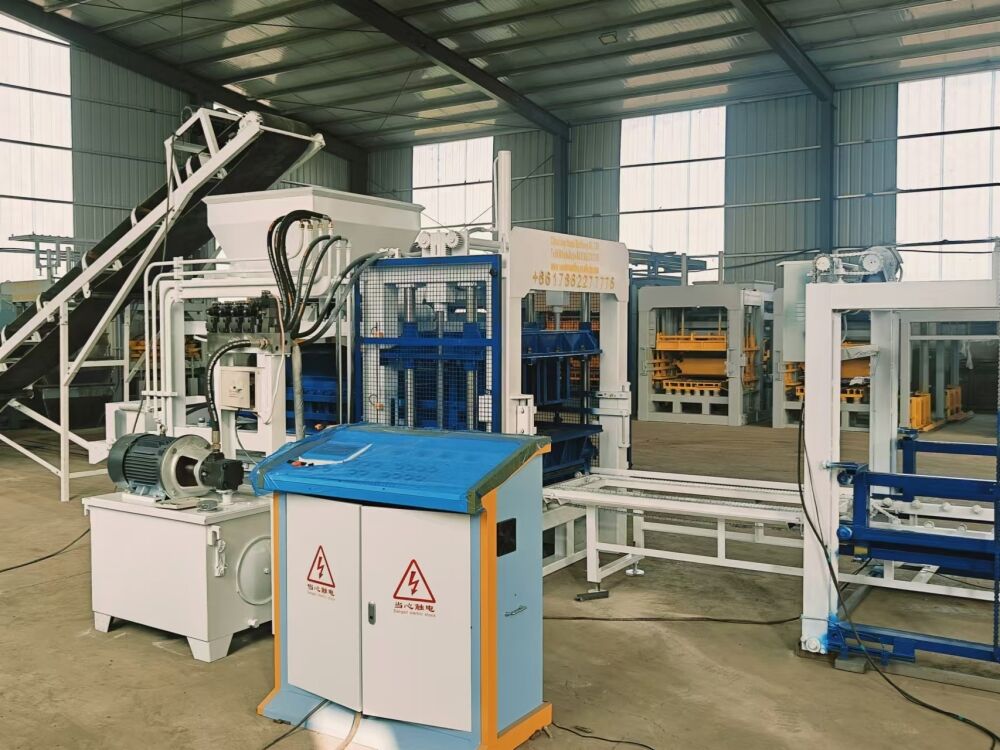
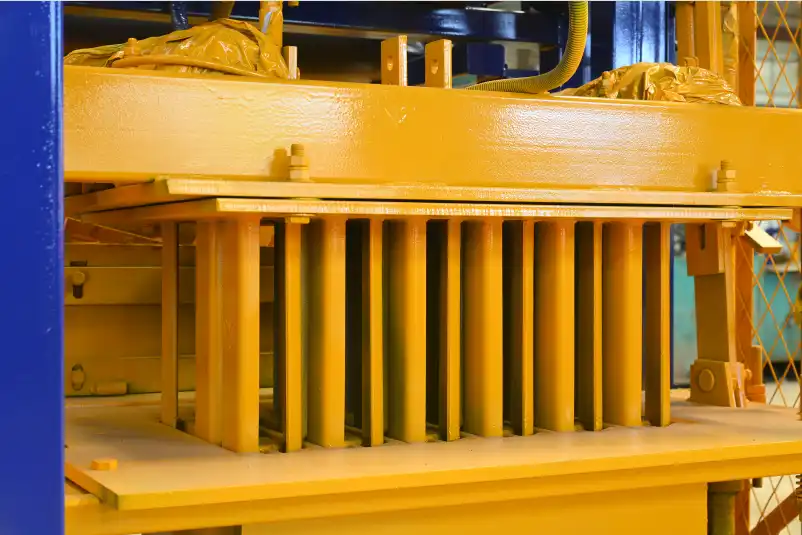
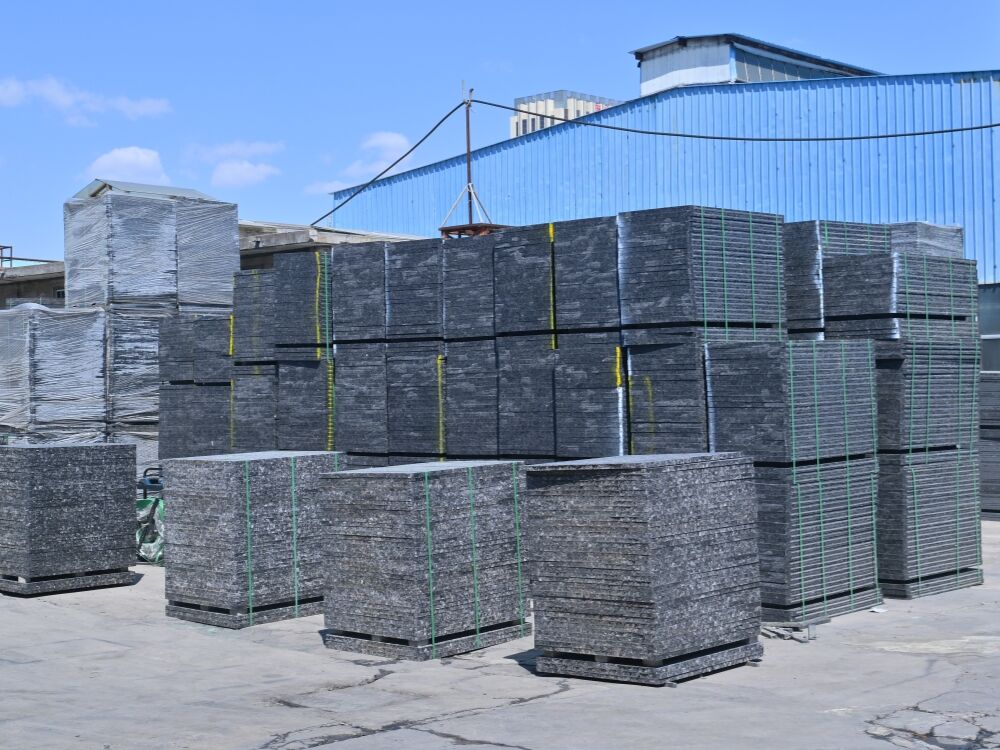
The global construction industry is undergoing a paradigm shift toward sustainable and cost-effective building materials, positioning clay brick machines as cornerstone equipment in modern infrastructure development. As governments worldwide enforce stricter regulations on carbon emissions and promote green building practices, fired clay bricks—renowned for their durability, thermal efficiency, and recyclability—are regaining dominance. Clay brick machines, particularly those integrating automated feeding, extrusion, and cutting systems, enable mass production while reducing energy consumption by up to 30% compared to traditional methods. This aligns with the United Nations’ Sustainable Development Goals, ensuring robust demand from eco-conscious developers and state-funded housing projects across Europe, Southeast Asia, and Africa.
Emerging economies are witnessing unprecedented urbanization, with countries like India, Nigeria, and Indonesia investing heavily in affordable housing and industrial parks. Clay brick machines bridge the gap between traditional craftsmanship and industrial-scale output, offering compression strength customization to meet seismic and climatic zoning requirements. For instance, interlocking clay brick systems—produced via high-pressure molding—eliminate mortar usage, slashing construction timelines by 40%. Additionally, the rise of public-private partnerships in waste-to-value initiatives has spurred innovations where machines process mine tailings or construction debris into clay-blended bricks, transforming environmental liabilities into revenue streams.
Technological convergence is reshaping clay brick machinery into intelligent manufacturing hubs. Linyi Yaoda Machinery integrates IoT sensors and AI-driven predictive maintenance into its equipment, enabling real-time monitoring of moisture levels, firing temperatures, and wear rates. This leap toward Industry 4.0 minimizes downtime and extends machinery lifespan, attracting investors seeking high-ROI ventures. Furthermore, the modular design of modern machines allows rapid reconfiguration for producing perforated, hollow, or glazed bricks, catering to architectural trends in ventilated facades and heritage restorations. With the global smart construction market projected to reach $420 billion by 2030, clay brick machines are no longer mere production tools—they are catalysts for circular economies and digitized supply chains.