The Future of Construction: Why the Egg Laying Brick Making Machine is Reshaping Global Manufacturing
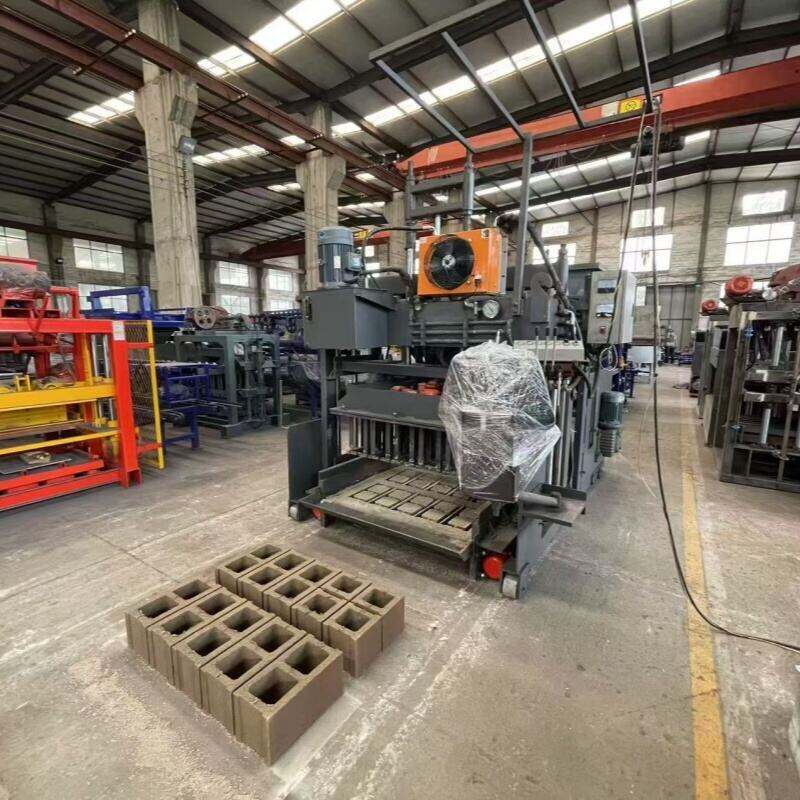
The application prospects for the egg laying brick making machine are vast, driven primarily by the global demand for rapid, low-cost urbanization. Unlike stationary block factories that require massive capital investment in land and fixed infrastructure, the egg laying brick making machine offers unparalleled mobility. It moves along a track, producing bricks directly on-site while "laying" them like eggs. This eliminates the astronomical costs of transporting finished bricks over long distances—a factor that has historically plagued the construction industry in developing nations. For Linyi Yaoda Machinery, this positions their equipment not just as a tool, but as a logistical solution for infrastructure projects in remote areas.
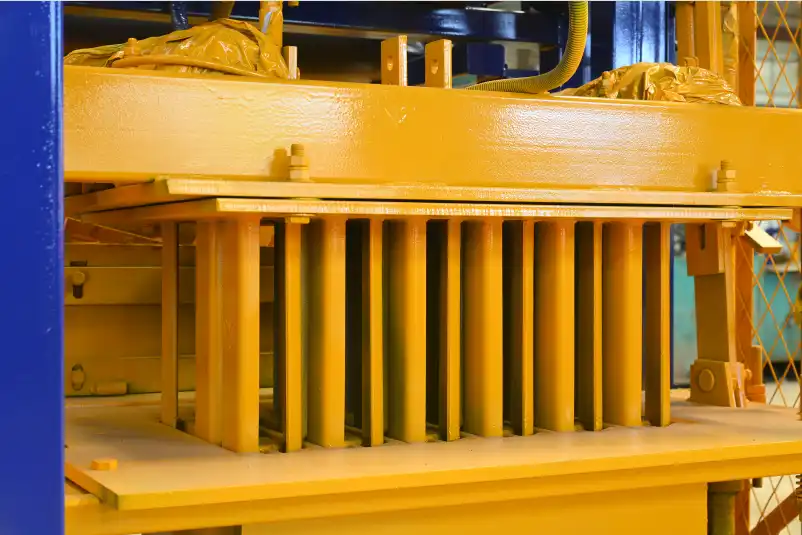
Furthermore, the rise of green building standards has created a perfect market entry point for this technology. The egg laying brick making machine excels at utilizing industrial waste such as fly ash, slag, and construction debris as raw materials. As governments worldwide tighten regulations on carbon emissions and quarry mining, traditional clay brick manufacturing is being phased out. Linyi Yaoda Machinery’s advanced hydraulic systems and vibration technology allow their egg laying machines to produce high-density, eco-friendly bricks that meet stringent international standards, making them indispensable for contractors bidding on World Bank or UN-funded sustainable housing projects.
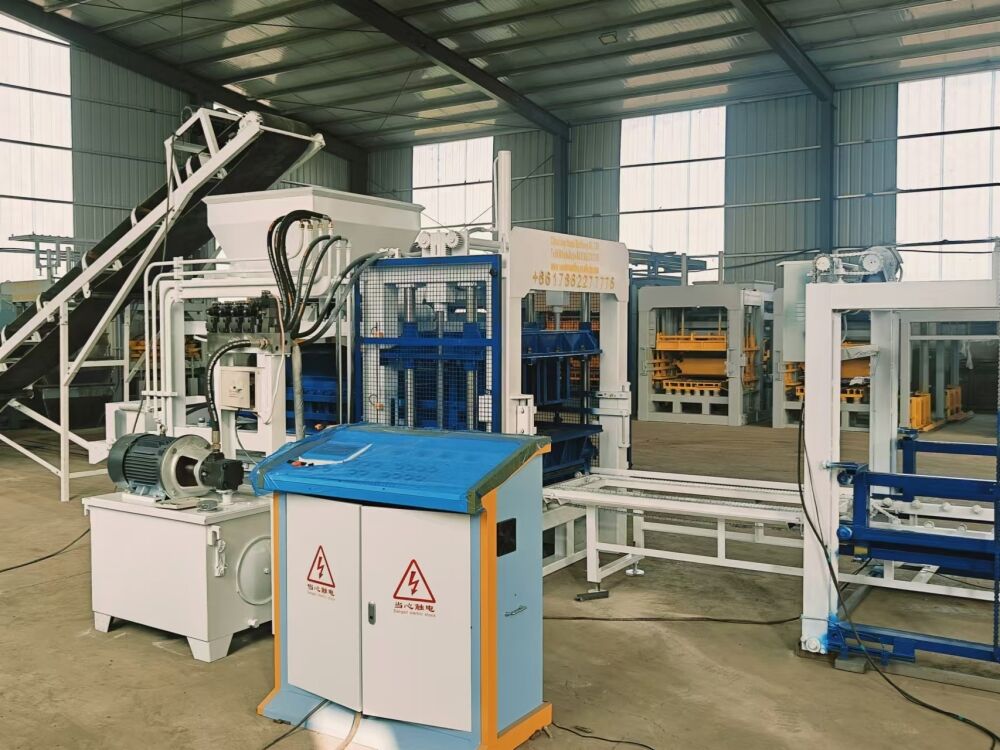
Finally, the "Made-to-Order" economy is revolutionizing the construction supply chain. With an egg laying brick making machine, manufacturers no longer need to speculate on inventory. They can set up at a job site, produce exactly the number of bricks required, and move to the next location. This just-in-time manufacturing model drastically reduces capital tie-up and warehouse costs. As Linyi Yaoda Machinery continues to integrate PLC automation and remote diagnostic systems into their egg laying machines, they are enabling small to medium enterprises to compete with large corporations by lowering the barrier to entry for high-quality concrete product manufacturing.