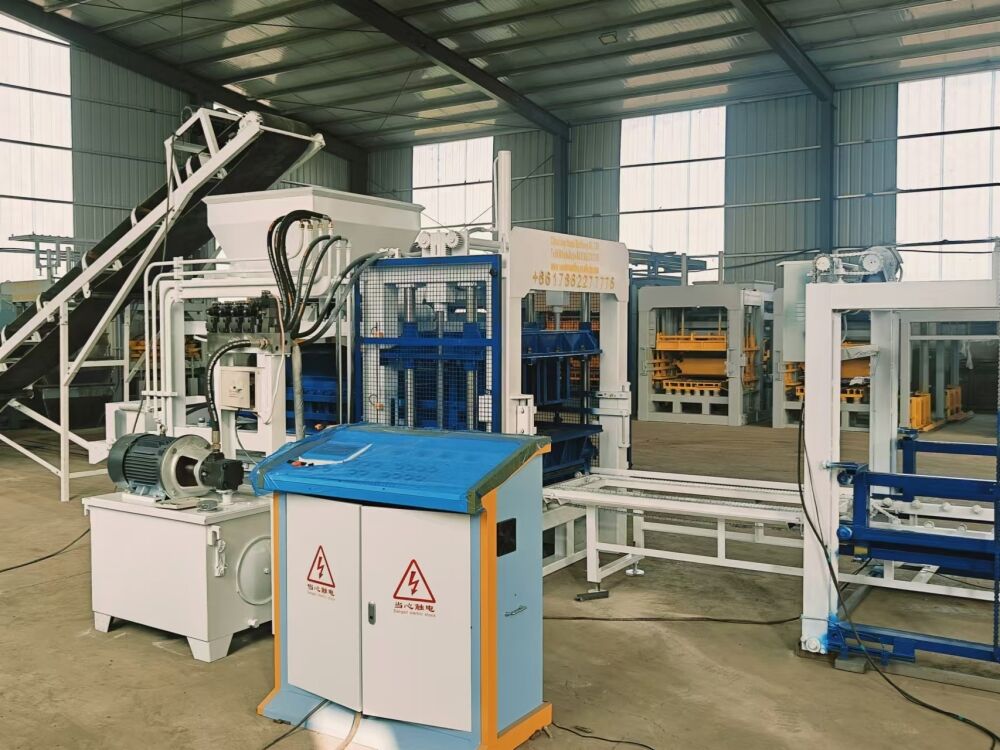
The global construction industry is experiencing a paradigm shift toward sustainable and efficient building materials, with the humble red brick remaining a cornerstone of infrastructure development. As urbanization accelerates in developing nations, the demand for high-quality, uniformly fired or pressed red bricks has outpaced the capabilities of traditional manual production methods. This transition presents a massive application prospect for advanced mechanical solutions. By investing in a red brick making machine, entrepreneurs and construction firms can capitalize on the need for mass-produced, durable bricks that meet modern structural standards, ensuring a steady supply for residential, commercial, and industrial projects.
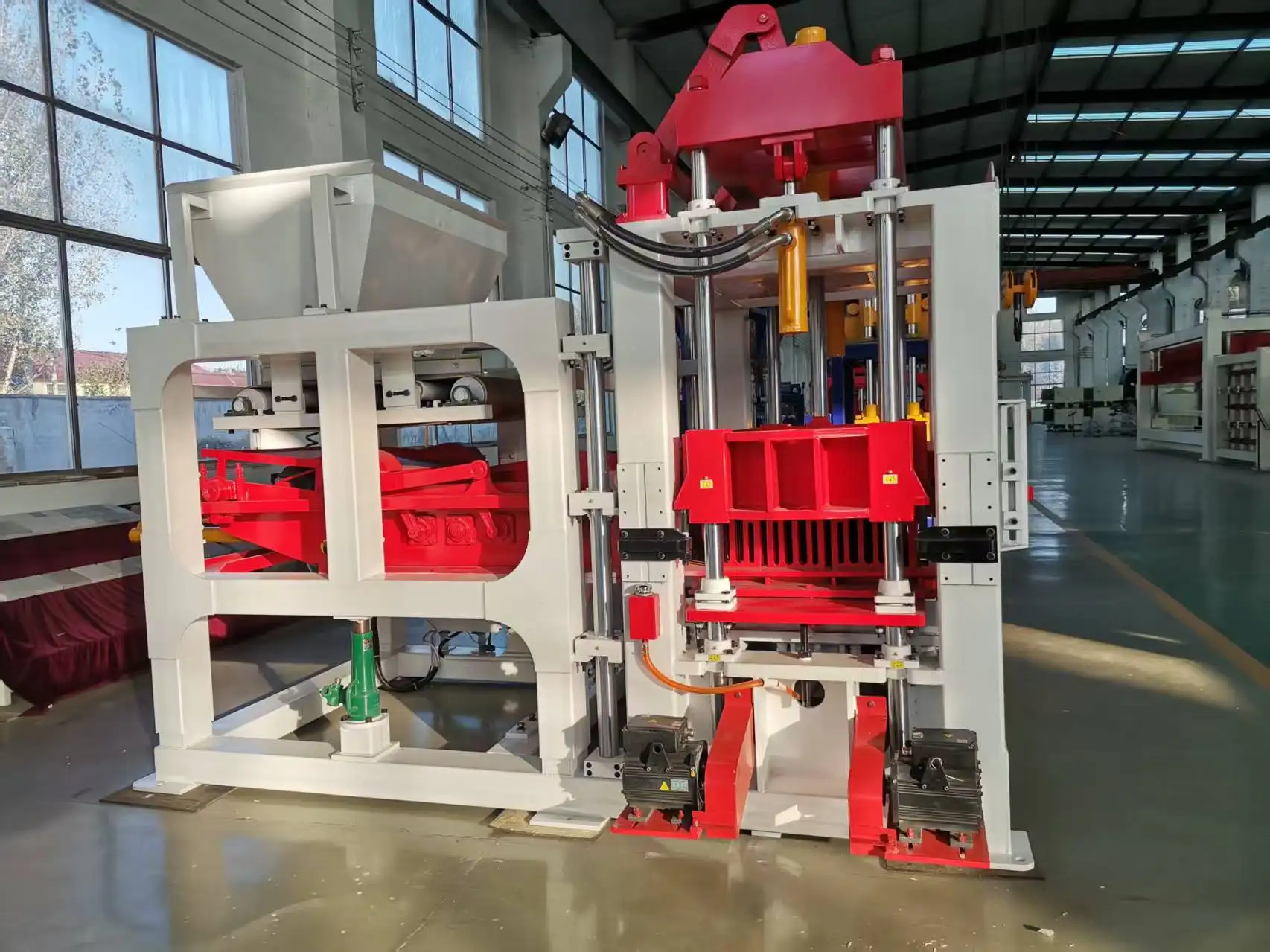
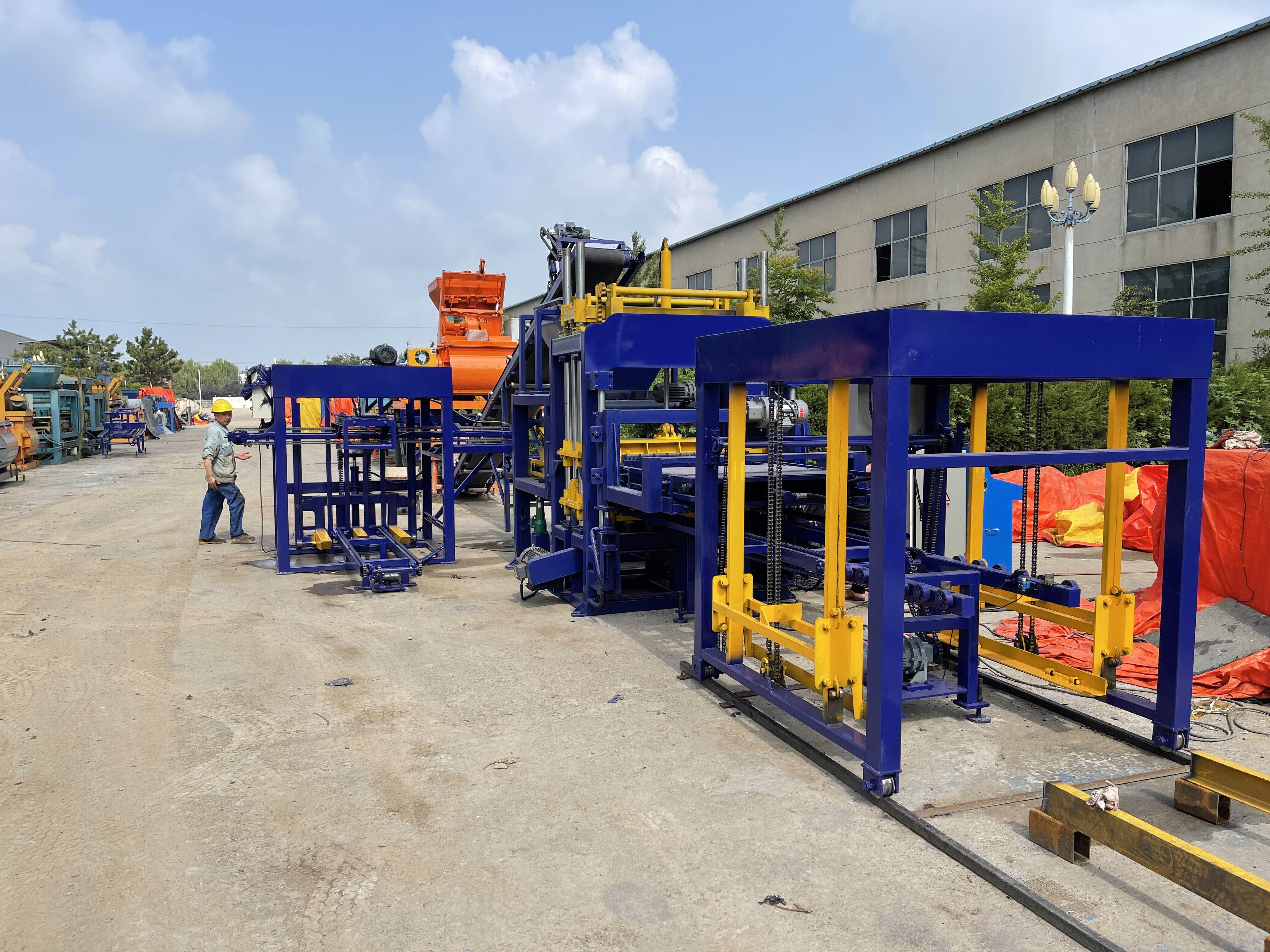
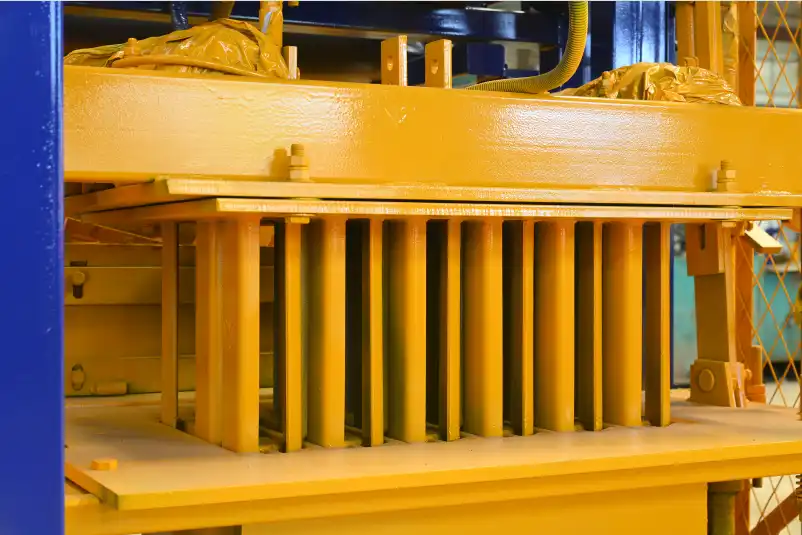
From an operational standpoint, the integration of automated machinery revolutionizes the brick production lifecycle. Modern machines, such as those manufactured by Linyi Yaoda Machinery, are engineered to handle various raw materials, including clay, shale, and fly ash, converting them into high-strength red bricks with minimal waste. The application prospects here extend beyond simple production; they encompass the ability to customize brick dimensions and compressive strengths to suit specific architectural requirements. This flexibility allows businesses to serve niche markets, from decorative landscaping bricks to load-bearing structural units, thereby diversifying revenue streams and enhancing market resilience.
For industry leaders like Linyi Yaoda Machinery , the future of brick making lies in the convergence of high capacity and environmental responsibility. As governments worldwide tighten regulations on carbon emissions and land usage (specifically regarding topsoil removal), the need for efficient machinery that optimizes raw material usage becomes critical. The application prospects for a red brick making machine are therefore tied directly to green building initiatives and the circular economy. By utilizing industrial by-products like fly ash or coal gangue, these machines not only solve a disposal problem but also create a valuable construction commodity, positioning forward-thinking manufacturers at the forefront of sustainable infrastructure development.