
 EN
EN
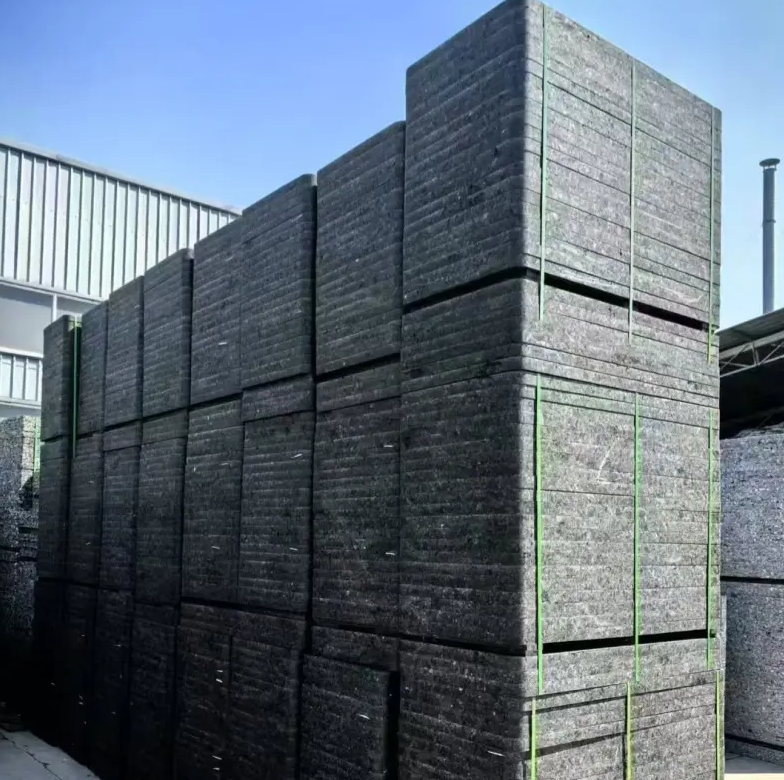
Real brick factory production cases compare wooden plastic and glass fiber pallets
Many concrete block plant production managers share clear equipment downtime and material consumption data after replacing traditional bamboo plastic pallets with glass fiber GMT pallets. A medium sized semi automatic brick factory ran PVC plastic pallets for two years. Daily hydraulic vibration forming impact created frequent plate bending and edge cracking, requiring pallet replacement every twenty production days; broken pallets jammed the stacking machine multiple times per month and suspended whole line production, bringing heavy order delivery pressure. After switching standard glass fiber pallets, the pallet replacement cycle extended to more than eighteen months and unexpected equipment jam failures dropped sharply. Another large fully automatic hydraulic block production line used bamboo pallets in early operation; high humidity curing workshop accelerated mildew and corrosion, while glass fiber materials resist salt water and steam erosion without structural damage. These long term real brick plant operation records fully prove wooden and plastic pallets cannot withstand long term high frequency vibration forming conditions, and glass fiber composite pallets solve continuous production bottlenecks fundamentally.
Unique mechanical material performance of glass fiber pallet
Glass fiber composite GMT pallets rely on integrated fiber resin compression molding to own six core performance advantages unmatched by bamboo wood or single plastic materials. The material reaches elastic modulus up to 3.7 GPa and bending strength of 51.0 MPa, maintaining stable flatness under long term heavy brick load without permanent deformation. Its impact resistance value hits 20 kilojoules per square meter, three times higher than ordinary plastic boards, and will not split when the brick machine pushing plate is stuck during forming. Water absorption rate stays below zero point five percent, avoiding expansion mildew issues in steam curing workshops. The composite structure remains stable between minus forty and ninety degrees Celsius, adapting both outdoor cold stock yards and high temperature curing areas. Acid and alkali salt corrosion resistance eliminates rust and rot risks, while moderate surface hardness prevents brick surface scratches during demolding. All physical indicators match the repeated vibration heavy load working state of automatic brick making equipment.
International pallet and concrete machinery testing standards set authoritative benchmarks
Unified GB/T4996 pallet mechanical test standard and domestic concrete block production equipment technical specifications release credible performance evaluation rules for brick machine supporting pallets. International composite material laboratory test documents take bending residual deformation impact damage and water absorption as mandatory inspection items for forming pallets. Senior polymer material engineering specialists publish comparative test papers pointing out bamboo and PVC materials fail continuous vibration cycle aging tests required by large hydraulic brick production lines. Third party machinery component inspection institutions implement seventy two hour continuous forming simulation tests as factory passing standards, separating low durability disposable pallets and industrial grade glass fiber GMT pallets clearly for block factory procurement reference.
Multi dimensional production efficiency promotion brought by glass fiber pallets
Glass fiber pallets lift comprehensive brick plant output from four interlinked production dimensions. Stable flat surface reduces brick edge collapse and surface scratch defects, raising finished product qualification rate by more than twelve percent. Long service life cuts frequent pallet disassembly replacement work, reducing daily production line halt frequency caused by broken boards. Uniform rigid support allows higher layer stacking of wet bricks, optimizing curing workshop space utilization and expanding daily output limit. The material matches semi automatic fully automatic and mobile brick machine models simultaneously, without special modification of original conveying stacking equipment. Stable continuous forming conditions shorten daily equipment maintenance time and improve overall factory operation turnover efficiency.
Long term comprehensive factory operation cost savings
Concrete block manufacturers adopting glass fiber pallets gain measurable cumulative economic advantages over multi year production cycles. Pallet replacement frequency drops by over ninety percent compared with plastic and bamboo counterparts, slashing annual raw material procurement expenditure drastically. Fewer broken plate failures eliminate production shutdown order compensation losses and overtime labor costs. Smooth demolding reduces waste brick generation and raw material waste volume. Multi year brick plant financial statistics show the slightly higher upfront cost of glass fiber pallets can be fully recovered within ten months through pallet renewal downtime and waste brick savings. Stable continuous operation also helps factories complete bulk customer orders ahead of schedule to expand long term cooperative resources.
Professional brick machine manufacturer supplies matched glass fiber pallet supporting solutions
Stable supply of standardized customized glass fiber GMT pallets matched with full set concrete brick making equipment relies on twenty six years integrated block machinery R&D and mass production capacity. Yaoda develops complete pallet specifications compatible with semi automatic fully hydraulic mobile block machines including QT4 QT6 QT8 QT12 series models. All supporting glass fiber pallets pass continuous vibration forming simulation inspection before factory delivery, with customizable length width thickness dimensions according to customer brick mold sizes. The brand provides whole production line matching one stop service including main equipment auxiliary pallets mixing machines and stackers, equipped with twenty four hour multilingual technical team to offer overseas installation and long term spare parts supply support for global block production investors.
Table of Contents
- Real brick factory production cases compare wooden plastic and glass fiber pallets
- Unique mechanical material performance of glass fiber pallet
- International pallet and concrete machinery testing standards set authoritative benchmarks
- Multi dimensional production efficiency promotion brought by glass fiber pallets
- Long term comprehensive factory operation cost savings
- Professional brick machine manufacturer supplies matched glass fiber pallet supporting solutions