
 EN
EN
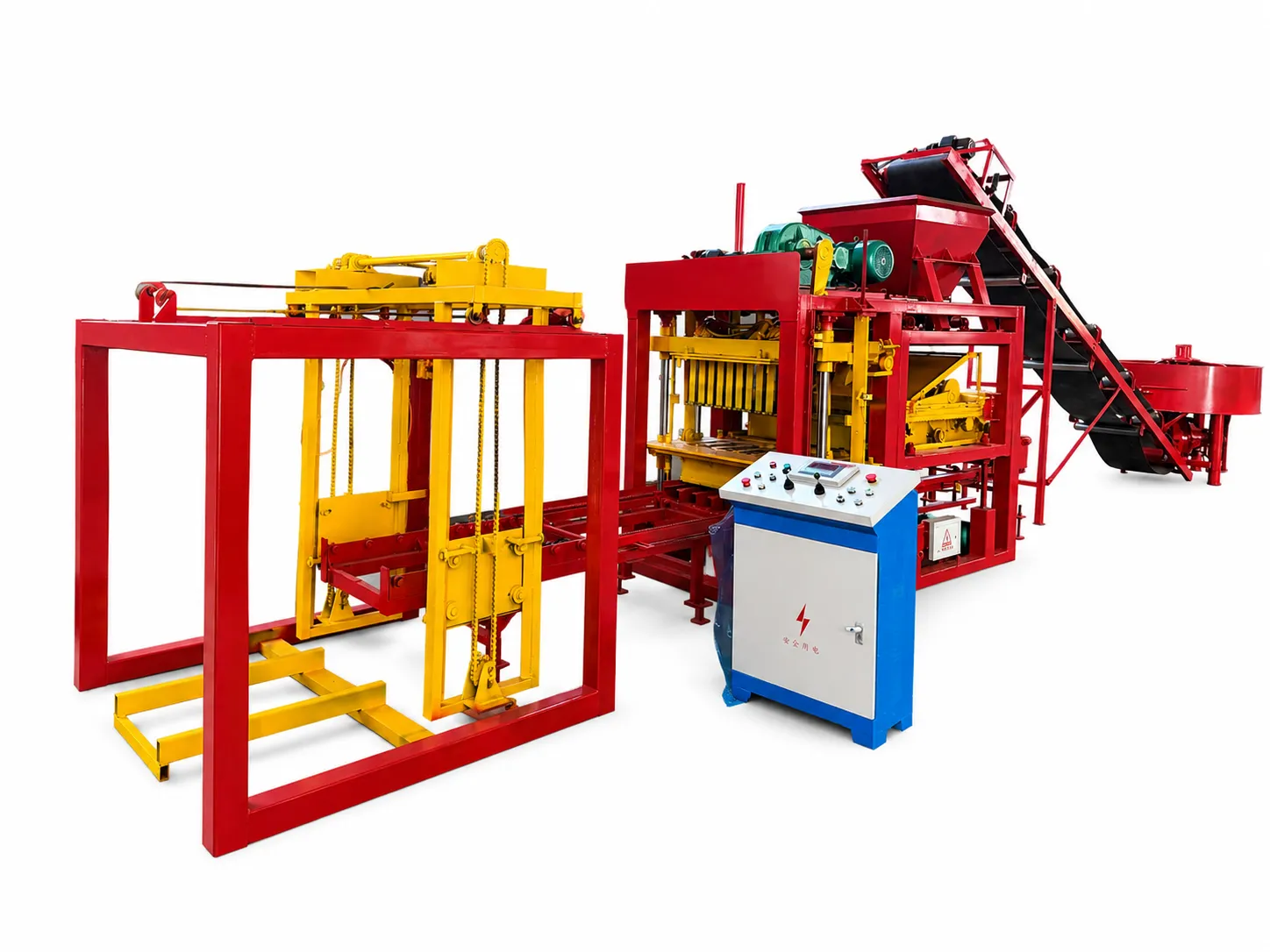
Why Brick Pallet Material Choice Matters for Modern Production
The foundational material of your brick pallets directly determines production stability and long-term operating costs for brick and block manufacturers. Once viewed as simple transport platforms, pallets are now critical workflow components—impacting dimensional accuracy, mold release consistency, and total lifecycle expenses. Subpar material choices introduce vibration deflection or uneven compression forces during molding cycles, increasing surface flaws and batch rejection rates. Research indicates over 34% of avoidable yield loss originates from an unstable or dimensionally inconsistent pallet base (Ponemon Institute, 2023).
Heavier materials like steel absorb kinetic energy effectively but raise energy consumption in logistics handling. Lightweight alternatives—especially those prone to warping—trap moisture in molds, triggering costly sanitization stops. Each material—recycled steel, wood-plastic composites, natural bamboo-wood, glass fiber-reinforced thermoplastics (GMT), or PVC hybrids—carries distinct tradeoffs affecting output consistency and profit margins. Material deterioration alone accounts for 22–28% of avoidable maintenance overhead (Asian Federation of Brick Manufacturers, 2025), translating to ~$740,000 annually for mid-sized plants. Prioritizing friction resilience, impact absorption, and dimensional stability directly governs pallet lifespan and frequency of compressed air or forklift interventions. Sustainability goals further elevate the stakes: bamboo composites certified by the Bamboo Council improve ESG ratings while lowering embodied carbon. Your material decision cascades across productivity metrics and ROI—making it not just operational, but financial prudence.
Comparative Performance of Key Brick Pallet Materials
Corrosion, Moisture, and Mold Resistance: Steel, PVC, Bamboo-Wood, and GMT
Moisture and corrosion resistance define pallet longevity in demanding curing environments. Steel pallets endure high temperatures but corrode rapidly in humid conditions. Traditional bamboo-wood pallets absorb water at rates exceeding 12%, accelerating mold growth in high-humidity curing zones. PVC pallets resist moisture well but embrittle above 60°C. GMT pallets deliver exceptional resilience:
- Near-zero water immersion rates (<0.5%)
- Tolerance for steam curing temperatures up to 90°C
- Resistance to acids, alkalis, and salts that degrade steel
Independent studies confirm GMT pallets last 3.2× longer than conventional plastic alternatives in high-corrosion facilities.
Durability Under High-Cycle Pressing: Wear, Impact, and Dimensional Stability
Industrial brick production demands pallets that withstand thousands of press cycles without deformation. Critical performance metrics include:
| Property | Steel (weakness) | GMT (Performance) | Testing Standard |
|---|---|---|---|
| Impact Resistance | Prone to denting | 30 KJ/m² | ASTM D256 Drop Hammer Test |
| Elastic Modulus | 200 GPa (overkill) | 3.7 GPa | ISO 178 Flexural Rigidity |
| Static Load Capacity | Deforms under load (2000kg) | 2000kg straight | EN ISO 8611-1 Static Load |
GMT maintains dimensional stability after 10,000+ cycles due to reinforcement in polymer matrix composites (PMCs), unlike wood—which warps after just 600 cycles per industry benchmarks. A Shore Hardness rating of 72D ensures minimal surface wear (<0.5mm abrasion) during high-frequency automated handling.
Innovations Driving the Next Generation of Brick Pallets
Bamboo-Wood Hybrids: Carbon-Neutral Strength and Scalability
Bamboo-wood hybrids combine fast-growing bamboo fibers with engineered wood to create a brick pallet that is both strong and environmentally responsible. Bamboo reaches maturity in three to five years and sequesters CO₂ at rates significantly higher than traditional timber. When pressed with wood particles under heat and resin, the hybrid achieves compressive strength comparable to light steel—yet remains 40–60% lighter. This reduces transport emissions and operator fatigue. Its widespread availability across Asia and parts of South America ensures a stable, scalable supply chain. The material absorbs less moisture than pure wood, cutting mold risk and dimensional swelling during wet curing. Surfaces can be sanded and reused multiple times, extending service life. By 2025, several leading producers have adopted bamboo-wood hybrids as a cost-effective alternative to imported steel pallets—particularly in mid-volume brick plants—supporting carbon-neutral goals without compromising load-bearing performance.
GMT and PVC-Bamboo Composites: Integrating Automation Readiness with Sustainability
Glass mat thermoplastic (GMT) composites and PVC-bamboo blends represent the next evolution in brick pallet engineering. GMT pallets—made from polypropylene reinforced with continuous glass fibers—deliver a flexural modulus exceeding 3.7 GPa, ensuring zero warping under repeated high-cycle pressing. Their smooth, uniform surfaces enable precise placement on automated conveyor systems, reducing downtime from misfeeds. PVC-bamboo composites merge the moisture barrier of PVC with the natural reinforcement of bamboo fibers, delivering flatness and stability even in high-humidity environments. Both materials are fully recyclable: GMT pallets can be reground and remolded; PVC-bamboo scrap can be processed into secondary plastic-wood products. These advances align with global sustainability mandates while meeting the rigidity and surface finish required by robotic brick handling. Factories transitioning to Industry 4.0 workflows benefit from pallets that maintain dimensional stability within ±0.5 mm across thousands of cycles—a critical requirement for automated quality control.
Strategic Brick Pallet Selection by Production Profile
Production efficiency lives or dies by the pallet strategies beneath products. Large brick manufacturers processing heavy daily volumes prioritize steel or GMT composites engineered for double-digit operational cycles. MIT’s Gradient Institute recorded a 27% cycle-time reduction when high-volume plants standardized pallet specifications for automated brick stackers. For small-batch or artisanal producers, bamboo-wood hybrids deliver the ideal balance of durability and portability—their lower weight cuts energy expenditure during semi-automated handling and reduces operator strain.
Ultimately, material selection must be anchored in real-world production context: It’s not about pallet attributes in isolation—it’s about leveraging them to achieve faster, safer, and more cost-effective brick stacking, day in and day out. Match your pallet strategy to your operational scale, automation level, and throughput targets—and treat every pallet decision as a direct lever on daily productivity, safety, and bottom-line resilience.
FAQs
Why should I consider the material of brick pallets carefully?
The material directly impacts production efficiency, costs, and stability. Poor choices can lead to vibration deflection, moisture trapping, and mold issues, raising maintenance overhead and decreasing output quality.
What are the advantages of using GMT over steel pallets?
GMT pallets offer excellent moisture resistance, superior durability under thousands of press cycles, and dimensional stability. They are lighter, recyclable, and more sustainable than steel.
How does bamboo-wood contribute to ESG goals?
Bamboo-wood is carbon-neutral, grows quickly, and sequesters CO₂ efficiently. Using bamboo composites can improve sustainability ratings and reduce embodied carbon.
Can these pallets handle automated workflows?
Yes, GMT and PVC-bamboo pallets maintain high dimensional stability, ensuring compatibility with automated quality control and conveyor systems.
Are these advanced materials cost-effective in the long run?
While they may have higher upfront costs, their durability, reduced maintenance, and sustainability benefits often lead to long-term savings and higher ROI.