
 EN
EN


Why Mobility Changes the Economics of Brick Production
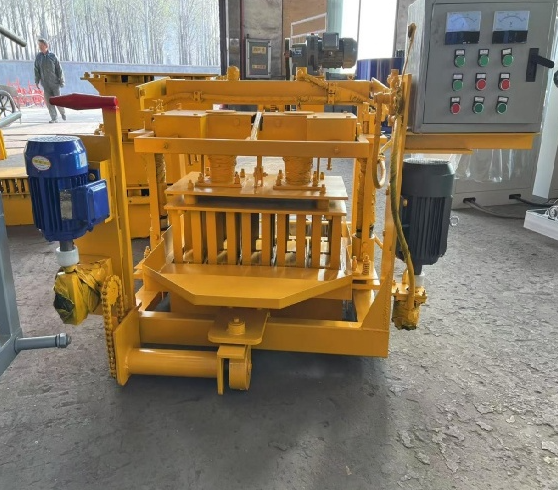
In remote areas, transporting finished bricks from a central factory often costs more than the bricks themselves. Poor roads, long distances, and limited vehicle access make every delivery expensive. A mobile concrete brick making machine flips that problem by bringing production to the construction site or close to the raw material source.
Instead of shipping heavy finished products across rough terrain, local crews can produce bricks where they're needed. That reduces transport costs, shortens project timelines, and keeps money inside the local economy. For rural housing projects, small infrastructure work, and isolated industrial sites, that shift in logistics can be the difference between a viable project and one that stalls.
The machine itself doesn't need a permanent foundation. It can be set up on compacted ground, leveled, and put to work within a short time. That flexibility matters in places where building a full factory isn't practical.
Raw Materials Are Often Already on Site
Remote construction projects frequently sit near usable raw materials. Sand, gravel, crushed stone, and cement are often available locally or can be stockpiled with minimal transport. A mobile brick making machine takes advantage of that proximity.
Crews can mix local aggregates with cement and water, feed the mixture into the machine, and produce blocks or bricks on the spot. That removes the need to import finished products from distant suppliers. It also lets the project adapt the mix design to what's actually available, rather than designing around a fixed product catalog.
This local production model works especially well in rural areas where conventional supply chains are thin. The machine becomes a small production center that serves one project or several nearby sites.
Setup Speed Keeps Projects Moving
A mobile concrete brick making machine is designed for quick deployment. Most models can be transported on a standard trailer or truck bed. Once on site, setup involves leveling, connecting power or a generator, and running a few test cycles. There's no need to pour concrete pads or erect a permanent shelter in mild climates.
That speed matters for projects with short weather windows. In regions with rainy seasons or limited construction months, getting production running quickly means more usable workdays. It also helps when a project starts before permanent facilities are ready.
The table below compares mobile brick production with conventional centralized production for remote projects.
| Factor | Mobile On Site Production | Centralized Factory Delivery |
|---|---|---|
| Transport cost for finished bricks | Eliminated or greatly reduced | High over long distances |
| Setup time | Days | Months for facility construction |
| Raw material sourcing | Local, adaptable | Centralized, fixed |
| Flexibility for small batches | High | Low |
| Initial capital requirement | Lower | Higher |
Practical Experience from Rural Construction Projects
A small construction team working on rural housing in a mountainous region faced a common problem. The nearest brick supplier was over one hundred kilometers away, and truck deliveries were unreliable during the rainy season. The team brought in a mobile brick making machine and set it up near a local sand deposit.
Within a few days, the crew was producing enough blocks for daily wall construction. The machine ran on a diesel generator, and the operators were trained on site. The project kept moving through the season because brick supply no longer depended on road conditions.
That experience reflects a broader pattern in remote construction. When the supply chain is fragile, local production provides a buffer. The machine doesn't need to be the fastest or largest. It needs to be reliable and simple enough to operate with local labor.
Energy and Water Requirements Deserve Honest Attention
Mobile brick production is not without challenges. The machines need a consistent power supply, which often means a diesel generator in off-grid areas. Fuel cost and availability become part of the production equation. Some machines are designed to run efficiently at partial load, which helps when power is limited.
Water is another factor. Concrete brick production requires clean water for mixing. In dry regions, water supply can be a bigger constraint than raw material. Project planners need to account for water storage and transport before production starts.
These limitations don't outweigh the advantages in most remote applications, but they do need to be planned for. A mobile machine solves logistics problems, but it can't create water or fuel where none exists.
Training and Local Labor Add Long Term Value
One underrated benefit of mobile brick production is the opportunity to build local skills. When a machine operates in a remote area, local workers learn to run it, maintain it, and adjust the mix design. Those skills stay in the community long after the original project ends.
For government and NGO projects, that skill transfer is often part of the goal. The machine becomes more than a production tool. It becomes a training platform that supports future construction work and small business development.
Local crews who understand the equipment can also respond faster to breakdowns. They know the material, the machine, and the local conditions. That combination reduces downtime and keeps production steady.
Matching the Machine to the Remote Site
Not every mobile brick making machine suits every remote location. Some sites need a machine that can produce hollow blocks for walls. Others need solid bricks for paving or load-bearing work. The right machine depends on the product mix and the scale of the project.
Transport access also matters. A machine that fits on a standard truck is easier to move than one that requires special permits. In mountainous or heavily forested areas, size and weight can determine whether the machine reaches the site at all.
Buyers should also look at how the machine handles local materials. Aggregates vary from region to region, and a machine that works well with one type of sand may struggle with another. Testing the mix design early prevents surprises later.
Why Yaoda Builds Mobile Machines for Real Field Conditions
Mobile concrete brick production works because it moves the factory to the material and the market. The machine has to be rugged enough for rough transport, simple enough for local operation, and consistent enough to produce quality bricks under variable conditions.
Yaoda has been manufacturing concrete brick making machines since 1999, including mobile models designed for field use. The company's production facility and technical team support machines that need to perform away from permanent infrastructure. That engineering background shows in equipment built for transport, quick setup, and reliable operation in places where the nearest service center is far away.
Table of Contents
- Why Mobility Changes the Economics of Brick Production
- Raw Materials Are Often Already on Site
- Setup Speed Keeps Projects Moving
- Practical Experience from Rural Construction Projects
- Energy and Water Requirements Deserve Honest Attention
- Training and Local Labor Add Long Term Value
- Matching the Machine to the Remote Site
- Why Yaoda Builds Mobile Machines for Real Field Conditions