
 EN
EN


The Core Difference Comes Down to Force Delivery
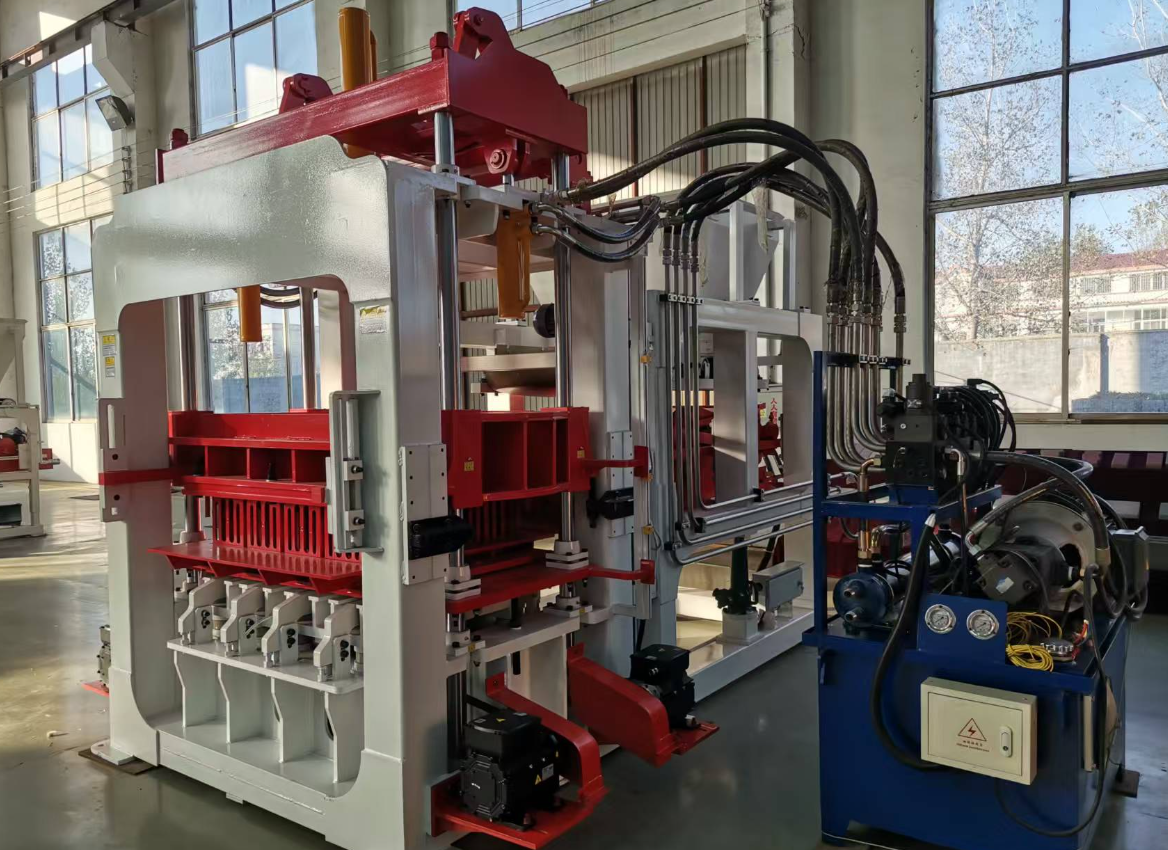
Brick making machines all do the same basic job: compress raw material into a solid shape. The difference between hydraulic and mechanical systems lies in how that compression force is generated and delivered. Mechanical machines rely on cams, cranks, or flywheels to drive the pressing motion. A hydraulic brick making machine uses pressurized fluid to move a cylinder, which pushes the mold or pressing head.
That distinction sounds technical, but it changes how the machine behaves in daily production. Hydraulic force builds smoothly and can be held at a set pressure. Mechanical force peaks quickly and releases. The result is that hydraulic systems tend to produce denser, more uniform bricks, especially when the raw material varies in moisture or particle size.
For block plants running mixed materials or changing formulations, that consistency matters more than raw cycle speed.
Pressure Control Changes Brick Quality
One of the biggest advantages of hydraulic pressing is control over pressure. The operator can set a specific pressure level and the system maintains it through the pressing cycle. That means every brick gets roughly the same compaction, which translates into uniform density and consistent strength.
Mechanical presses are less forgiving. Their force curve is fixed by the machine's geometry and speed. If the material feed changes slightly, the peak force may stay the same, but the dwell time under pressure does not adjust. That can leave some bricks under-compacted, especially in the center.
The table below compares the two approaches on key production factors.
| Factor | Hydraulic Press | Mechanical Press |
|---|---|---|
| Pressure consistency | Adjustable and stable | Fixed by cam or crank profile |
| Brick density uniformity | High | Moderate |
| Dwell time control | Programmable | Limited |
| Energy efficiency at partial load | Good | Lower |
| Maintenance complexity | Moderate | Low to moderate |
Raw Material Flexibility Becomes a Real Advantage
Brick producers rarely work with perfectly consistent raw material. Moisture levels shift, sand content changes, and sometimes fly ash or other additives enter the mix. A hydraulic brick making machine handles that variability better because the pressure can be adjusted to match the material.
If a batch is slightly wetter, the operator can reduce pressure or adjust the cycle. If the material is harder to compact, the pressure can be increased. That flexibility keeps production moving without waiting for the perfect mix.
Mechanical machines work best when the material is predictable. Once the cam profile and speed are set, changing the pressing force usually means changing parts or adjusting the drive system. For plants that use local materials or switch between product types, hydraulic pressing offers practical advantages.
Denser Bricks Mean Better Long Term Performance
Hydraulic pressing tends to produce bricks with higher density and fewer internal voids. That's because the force is applied gradually and held, giving the material time to consolidate. The result is a brick that resists water absorption better and holds up longer in outdoor conditions.
Density also affects compressive strength. For load-bearing walls or paving blocks, higher density usually means better performance under load. Buyers in markets where quality standards are strict often prefer bricks made on hydraulic equipment for exactly that reason.
The strength difference is not always dramatic, but it becomes visible over time. Bricks with internal voids crack earlier under freeze-thaw cycles or heavy traffic. Denser bricks handle those conditions better.
A Production Comparison Shows the Practical Impact
A block plant in East Africa was running both mechanical and hydraulic presses side by side for the same hollow block product. The mechanical line produced faster cycles, but the rejection rate was higher. Blocks from the hydraulic line showed more consistent corner filling and fewer surface defects.
After switching more production to the hydraulic machine, the plant reduced rework and improved customer acceptance. The cycle time was slightly slower, but the overall output of sellable blocks increased. That experience matches a common pattern in the industry. Speed only matters if the product passes inspection.
The lesson is not that mechanical machines are obsolete. They still work well for simple products and stable materials. The point is that hydraulic pressing earns its higher cost when product quality and material flexibility affect the bottom line.
Honest Limits Keep the Comparison Balanced
Hydraulic brick making machines are not automatically the right choice for every operation. They cost more upfront, and the hydraulic system requires clean oil, proper seals, and regular maintenance. If maintenance gets neglected, leaks and pressure loss create production problems.
They also tend to use more energy at full load compared to simple mechanical systems. For a small producer making low-value bricks from consistent material, a mechanical machine may deliver better return on investment.
The smart decision depends on the product mix, raw material, and target market. Hydraulic pressing shines when quality matters, materials vary, and the plant produces higher-value blocks or pavers.
Why Yaoda Builds Hydraulic Machines with Production in Mind
The advantage of a hydraulic brick making machine is not just the hydraulic system itself. It's how the whole machine is engineered around it. The frame has to handle repeated pressing forces without flexing. The mold alignment has to stay true. The control system has to manage pressure, cycle time, and material feed consistently.
Yaoda has been building concrete brick making equipment since 1999, with production facilities covering 16,000 square meters and a technical team of over 60 specialists. That background shows up in machines designed for real production conditions, where consistency and serviceability matter as much as raw output. A well-built hydraulic press turns material flexibility and pressure control into bricks that hold their value in the market.
Table of Contents
- The Core Difference Comes Down to Force Delivery
- Pressure Control Changes Brick Quality
- Raw Material Flexibility Becomes a Real Advantage
- Denser Bricks Mean Better Long Term Performance
- A Production Comparison Shows the Practical Impact
- Honest Limits Keep the Comparison Balanced
- Why Yaoda Builds Hydraulic Machines with Production in Mind