
 EN
EN


On Site Production Removes the Biggest Logistics Bottleneck
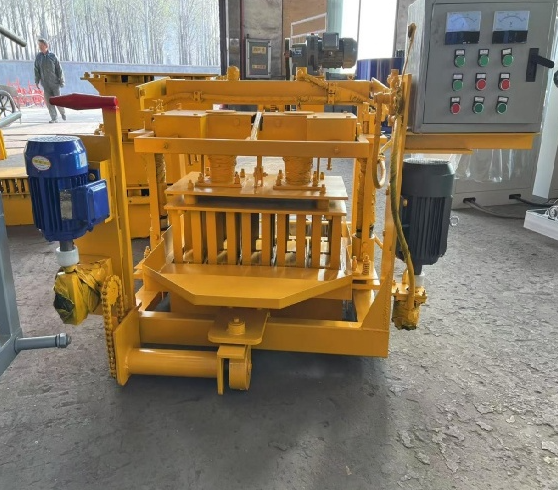
Construction sites that rely on delivered bricks live and die by their supply chain. A delayed truck stops the wall crew. A damaged shipment creates waste and arguments. A mobile concrete brick making machine removes that dependency by producing blocks right where the building is going up.
When production happens on site, the wall crew pulls from a local stockpile instead of waiting for the next delivery. That keeps work moving and lets the site manager adjust output to match daily demand. For projects in congested urban areas or remote rural locations, that control over supply is a serious advantage.
The machine can be positioned close to the mixing area and the construction zone. Bricks move a short distance from the machine to the wall, which cuts handling time and reduces breakage.
Lower Transport Costs Show Up Immediately
Finished bricks are heavy. Moving them from a factory to a construction site eats into the project budget quickly, especially when the site is far from suppliers or roads are poor. Mobile brick production eliminates most of that transport cost because the raw materials are lighter and cheaper to move than finished product.
Cement, sand, and aggregate can often be sourced closer to the site than finished bricks. A truckload of cement makes far more blocks than a truckload of finished bricks can deliver. The savings multiply on large projects where thousands of blocks are needed.
The table below compares delivered bricks with on site mobile production for a typical construction project.
| Cost Factor | Delivered Bricks | Mobile On Site Production |
|---|---|---|
| Finished product transport | High | Minimal |
| Raw material transport | Not applicable | Lower per block |
| Handling and breakage | Higher | Lower |
| Dependency on supplier schedule | High | Low |
| Response to daily demand changes | Slow | Immediate |
Scheduling Flexibility Keeps Projects on Track
Construction schedules shift constantly. Weather delays, design changes, and labor availability all affect how many bricks are needed on any given day. A mobile brick making machine gives the site manager the flexibility to produce more or fewer blocks as conditions change.
If rain stops the wall crew for two days, production can slow down or pause. When work resumes, output ramps back up without waiting for a supplier to fit the project into their delivery schedule. That kind of control is hard to put a price on, but it shows up in fewer idle crews and fewer missed deadlines.
This flexibility is especially valuable on projects with phased construction. Different phases may need different block types, and a mobile machine can switch between products without waiting for a new delivery.
Quality Control Happens Right at the Point of Use
When bricks are made off site, the construction crew has little control over quality. They accept whatever arrives and deal with rejects. On site production changes that dynamic. The crew can check each batch as it comes out of the machine and adjust the mix or settings immediately.
If the blocks are too wet, too dry, or not compacting properly, the problem gets caught in minutes instead of after a full truckload arrives. That reduces waste and keeps the project moving with usable material.
On site production also lets the crew tailor the mix to the actual conditions. Local sand, aggregate, and cement can be tested and adjusted. The result is a block that fits the project requirements without relying on a distant supplier's formula.
A Site Level Example Shows the Difference
A construction crew working on a housing project in a semi-rural area was struggling with irregular brick deliveries. The supplier was dependable but far away, and road conditions made delivery times unpredictable. The project manager brought in a mobile brick making machine and set it up near the material storage area.
The change was immediate. The crew produced blocks in the morning and used them in the afternoon. Waste from broken bricks dropped because the blocks moved only a short distance. The project finished ahead of the revised schedule, and the savings on transport alone justified the machine rental.
That experience matches what many site managers report. The biggest advantage of mobile production isn't the machine itself. It's the control it gives the project over a critical material flow.
Energy, Water, and Space Still Need Planning
Mobile brick production on a construction site isn't automatic. The machine needs a power source, which usually means either a generator or access to site power. Fuel costs and generator maintenance become part of the daily operation.
Water is another requirement. Concrete brick production needs clean water for mixing, and the site needs a reliable supply. In urban areas, that may mean connecting to the municipal supply. In remote sites, water storage and transport become part of the plan.
Space is the third factor. The machine, mixer, raw material stockpile, and curing area all need room. A well-organized site layout keeps the production flow smooth and prevents bottlenecks. These requirements are manageable, but they need to be considered before the machine arrives.
Long Term Value Goes Beyond the Current Project
A mobile concrete brick making machine isn't just a temporary tool. After the current project ends, the machine can move to the next site or be used for smaller jobs. For construction companies that work across multiple locations, that portability spreads the equipment cost over many projects.
Local workers also gain skills. Operating the machine, maintaining it, and adjusting the mix are valuable capabilities that stay with the crew. On future projects, those workers can set up production faster and with fewer mistakes.
Contractors who invest in mobile brick production often find that it changes how they bid on work. They can offer faster schedules and more competitive pricing because they're not tied to a brick supplier's pricing and delivery constraints.
Why Yaoda Builds Mobile Machines for Construction Work
Mobile concrete brick making works because it matches the rhythm of a construction site. The machine has to be rugged enough for transport, simple enough for site crews, and consistent enough to produce uniform blocks day after day.
Yaoda has been building concrete brick making equipment since 1999, with experience in fully automatic, semi-automatic, and mobile machines. The company's engineering focus on field reliability and easy operation shows in equipment designed for real construction conditions. That background supports contractors who need brick production that moves with the job instead of holding it back.
Table of Contents
- On Site Production Removes the Biggest Logistics Bottleneck
- Lower Transport Costs Show Up Immediately
- Scheduling Flexibility Keeps Projects on Track
- Quality Control Happens Right at the Point of Use
- A Site Level Example Shows the Difference
- Energy, Water, and Space Still Need Planning
- Long Term Value Goes Beyond the Current Project
- Why Yaoda Builds Mobile Machines for Construction Work