
 EN



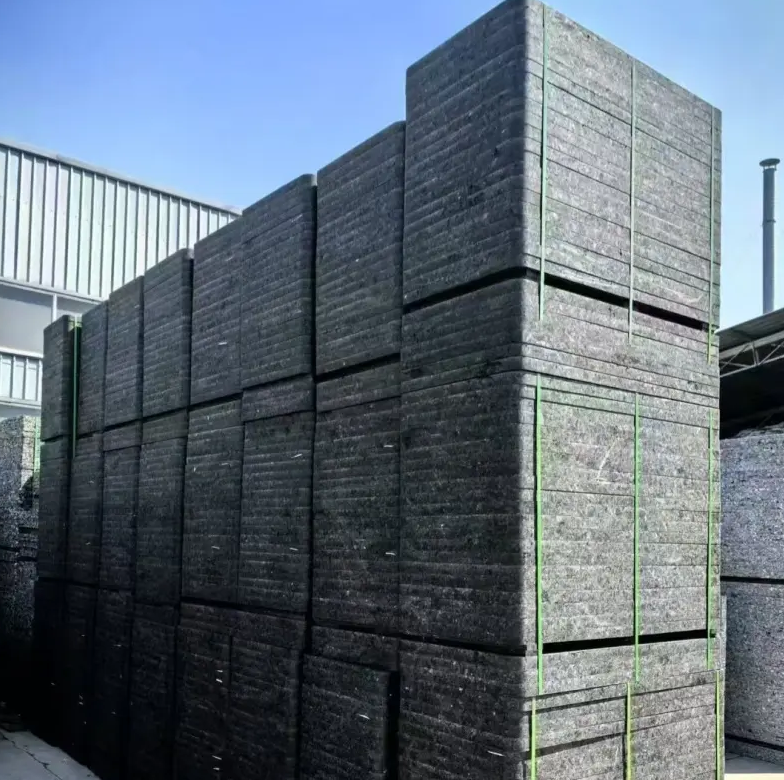
Why Brick Pallet Durability Matters More Than Upfront Price
A brick pallet is the contact tooling that carries fresh concrete blocks from mixer to curing area, so every nick, warp, and soft spot can show up in the finished product. Buyers often compare quotes per pallet and stop there, yet real cost sits in rejected blocks, jammed transfer tables, and replacement labor. A pallet that stays flat and stiff through wet, abrasive service protects block edges and keeps automated handling predictable. In a plant running three shifts, a small batch of failing pallets can create more disruption than a larger price difference on initial order.
What Glass Fiber Adds to Pallet Construction
Pultruded glass fiber reinforced polymer uses continuous fibers in a resin matrix. The fibers carry tensile load, the resin locks them in place, and the panel resists bending without absorbing much water. That combination matters around wet concrete, wash-down areas, and humid curing rooms. Plywood can swell and delaminate at fastener points. Thermoplastic pallets resist moisture well but may creep under load and heat. Steel is strong and stiff, yet weight and corrosion remain practical issues. Fiberglass sits in a useful middle ground when design matches the load path. Resin type, fiber volume, cure control, and edge sealing still decide whether the panel performs. Low-cost skin or weak edge can undo good material.
| Pallet type | Water absorption | Stiffness under wet cycling | Common failure mode | Typical service window* |
|---|---|---|---|---|
| Plywood | 12% to 18% thickness swell | Moderate loss | Delamination and crushed edges | 6 to 18 months |
| Thermoplastic | Under 0.5% | Creep under load | Sagging and impact cracks | 2 to 5 years |
| Glass fiber reinforced polymer | Under 1% | High retention | Edge chips and resin cracks | 4 to 8 years |
| Steel | Essentially none | High retention | Corrosion | 8+ years |
*Normal block plant handling and clean support; results vary.
How Load Path and Support Spacing Shape Real Lifespan
A pallet rarely fails from a single load. Fatigue comes from repeated small deflections as rollers and transfer arms push it along. If support spacing is too wide, the pallet bends more with each pass, and the top surface works against block edges. Misaligned transfer tables create point loads that concentrate stress at corners. In a 2021 retrofit at a concrete block plant in southern China, engineers found edge cracking on pallets after a conveyor modification changed support spacing by roughly 80 mm. The layout, not the pallets, was the root cause. After realigning rollers, adding chamfers at contact points, and removing abrasive grit from the return path, cracking rate dropped sharply. ASTM D790 flexural testing is useful for comparing candidate panels, but the test bar does not replicate a dirty return track or a misaligned pusher. Design review and site measurements matter just as much.
The Maintenance and Handling Habits That Add Years
Simple habits extend service life more than most buyers expect. 1. Inspect edges weekly and retire pallets with deep cracks before fragments enter the mix. 2. Keep return tracks clean, since cured cement grit acts like sandpaper on the skin. 3. Store spare pallets flat and shaded, not leaning in the sun where heat and UV age the resin. 4. Train forklift and loader operators to avoid dragging pallets across concrete. 5. Track batches by supplier and date so a bad run is isolated quickly. These steps are not glamorous, but they turn a consumable item into a managed asset. Small repairs, such as sealing a chipped edge before water reaches the fiber, can prevent a minor handling mark from becoming a through-crack.
Where Fiberglass Pallets Fit and Where They Do Not
Fiberglass pallets make sense in wet, abrasive, and repeated handling where flatness and dimensional stability matter. They are not a universal answer. Sharp impact from dropped blocks, severe corner strikes, and poorly supported spans can damage even a well-made panel. Some low-cost resins may chalk under strong UV, often cosmetic before structural. High-temperature curing rooms need a resin review. A supplier should ask about block weight, support spacing, transfer speed, cleaning method, and curing conditions before recommending a construction. Overbuilt pallets add weight and cost. Underbuilt pallets may fail early. The right balance comes from application data, not a generic catalog page.
Choosing a Supplier That Understands the Whole Pallet System
Supplier evaluation should go beyond samples and price sheets. Ask how fiber content and resin batch are controlled, how flatness and hole position are measured, and how edges are sealed after machining. Precision machining and testing systems hold tolerances that keep automated lines running smoothly. YAODA, based in southeastern Shandong, brings manufacturing scale, technical staff, and export experience to pallet and block machine projects, which helps match pallet design to the handling layout. A practical final check: request a trial batch, run it through the dirtiest part of the return loop, and measure deflection after repeated cycles. Field data tells more than a polished brochure.
Table of Contents
- Why Brick Pallet Durability Matters More Than Upfront Price
- What Glass Fiber Adds to Pallet Construction
- How Load Path and Support Spacing Shape Real Lifespan
- The Maintenance and Handling Habits That Add Years
- Where Fiberglass Pallets Fit and Where They Do Not
- Choosing a Supplier That Understands the Whole Pallet System