
 EN



Why pallets are the quiet environmental lever in a brick yard
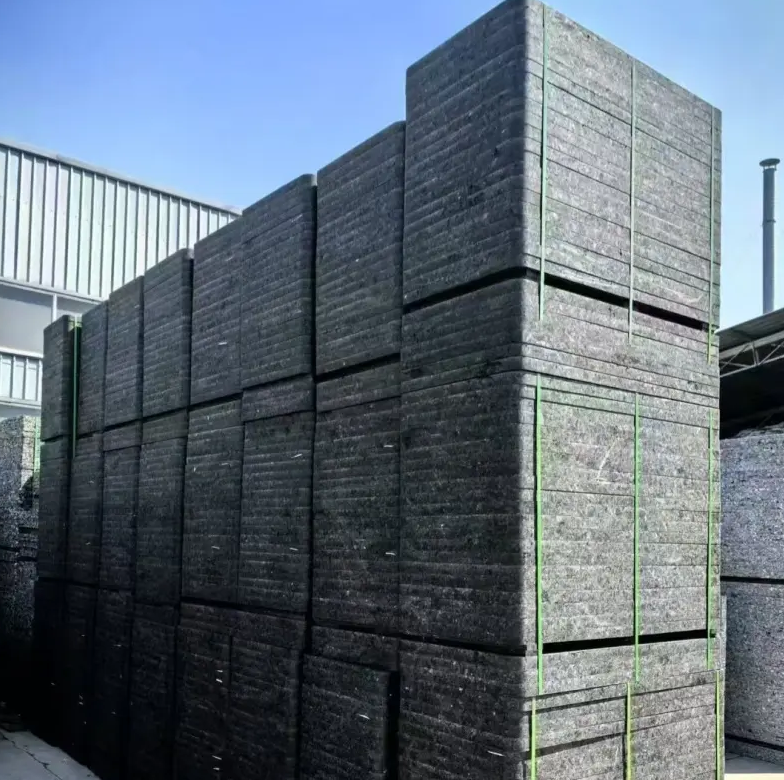
Brick makers focus on machines, molds, curing, and fuel. Pallets sit in the background, yet they decide how much wood, plastic, and labor a yard consumes. A wooden pallet may last months in wet conditions before it swells, cracks, or grows mold. Replacing it means new lumber, more transport, and more waste. Glass fiber brick machine pallets change that equation. They are molded composite boards used to carry green bricks through vibration, pressing, and curing. Because they resist water and chemicals, they can stay in service far longer. That longer service life is not a small detail. It reduces the steady flow of replacement pallets, and it cuts the raw material demand that sits behind every replacement.
The material science that makes glass fiber pallets durable
Glass fiber pallets are made from resin and glass fiber reinforcement. The structure gives an elastic modulus around 3.7 GPa and a bending strength around 51.0 MPa. Surface hardness reaches Shore 72, and impact strength can reach 20 kJ per square meter. Water absorption stays below 0.5 percent. These numbers matter in a brick plant because pallets face constant vibration, high pressure, and abrasive dust. Wood and bamboo absorb moisture and lose stiffness. PVC can become brittle in cold or soften in heat. A glass fiber pallet keeps its shape from negative 40 to 90 degrees Celsius. It also resists acid, alkali, and salt. That means fewer broken pallets, less downtime, and less material sent to landfill.
How a longer service life lowers waste and resource use
A pallet that lasts years instead of months changes the waste math. Every broken wooden pallet represents cut trees, milling energy, treatment chemicals, and freight. Glass fiber pallets avoid much of that cycle. They do not need regular replacement, and they do not absorb water, so they stay stable in humid yards. They also avoid mold and rust, which keeps brick surfaces cleaner. From a life cycle view, ISO 14040 and ISO 14044 describe how to compare products across raw material extraction, production, use, and end of life. A full study would need local data, but the direction is clear. Longer life usually lowers the annual resource burden. The honest caveat is that glass fiber production is energy intensive, and recycling routes are still limited in many regions.
Export compliance and the hidden burden of wood packaging
Wooden pallets carry a regulatory burden that is easy to miss. ISPM 15 is the international standard for wood packaging in trade. It requires heat treatment or fumigation to reduce pest risk. That adds cost, time, and chemical or energy use. A glass fiber pallet does not host wood boring insects, so it avoids that treatment step. For exporters, this can simplify documentation and reduce delays at ports. It also avoids the risk of rejection if a wood pallet lacks the correct mark. The environmental gain is real but specific. It is not that glass fiber is automatically green in every way. It is that wood packaging has a compliance and biosecurity cost that composite pallets can bypass. That is a practical benefit for brick producers who ship molds, spare parts, or finished bricks across borders.
A field example from a West African brick project
A 2025 project in Guinea involved a complete brick making line and 1,500 glass fiber pallets. The customer, Jalloh, was updating a local brick factory. In that climate, humidity and heavy rain are hard on wood. Wooden pallets swell, split, and lose flatness. A warped pallet can cause green bricks to crack during transport or curing. The glass fiber pallets held their shape and needed less replacement. The same project also included machines, molds, and training. The environmental result was not only less waste. It was fewer production stops caused by pallet failure. That matters because a stopped line wastes energy and labor. The case is not proof that every yard should switch overnight. It shows how pallet choice connects to daily uptime and to the amount of material a factory throws away.
Where glass fiber pallets fit and what buyers should verify
Glass fiber pallets are not a universal answer. The upfront price is higher than wood or bamboo. A yard with light duty manual production and dry conditions may not see a fast payback. Recycling infrastructure varies, so end of life planning matters. Buyers should verify bending strength, water absorption, temperature range, and impact resistance with test data. They should also check that the pallet size matches the machine and the curing system. Yaoda has served brick makers for more than 26 years and supplies machines, molds, and glass fiber pallets through projects in Africa, Asia, and other regions. That manufacturing and supply chain experience helps match pallets to real production lines. The environmental case for glass fiber pallets is strongest when durability, uptime, and export compliance are counted together, not when one specification is read alone.
Table of Contents
- Why pallets are the quiet environmental lever in a brick yard
- The material science that makes glass fiber pallets durable
- How a longer service life lowers waste and resource use
- Export compliance and the hidden burden of wood packaging
- A field example from a West African brick project
- Where glass fiber pallets fit and what buyers should verify