
 EN


Why the biggest machine is not always the right machine
A fully automatic block machine looks like the ultimate goal for every brick yard. It runs fast, needs fewer operators, and produces consistent output. That story is attractive, but it hides a simple fact. Automation only pays back when the factory can feed it, power it, and sell everything it makes. Many factories never reach that point. They run seasonal orders, change product sizes often, or deal with unstable electricity. For them, a fully automatic line becomes an expensive idle asset. ISO 9001 quality management principles put process control ahead of equipment size. The right process for a small yard may be a semiautomatic machine or an intelligent integrated model, not a large automated line.
Matching output to real demand instead of brochure capacity
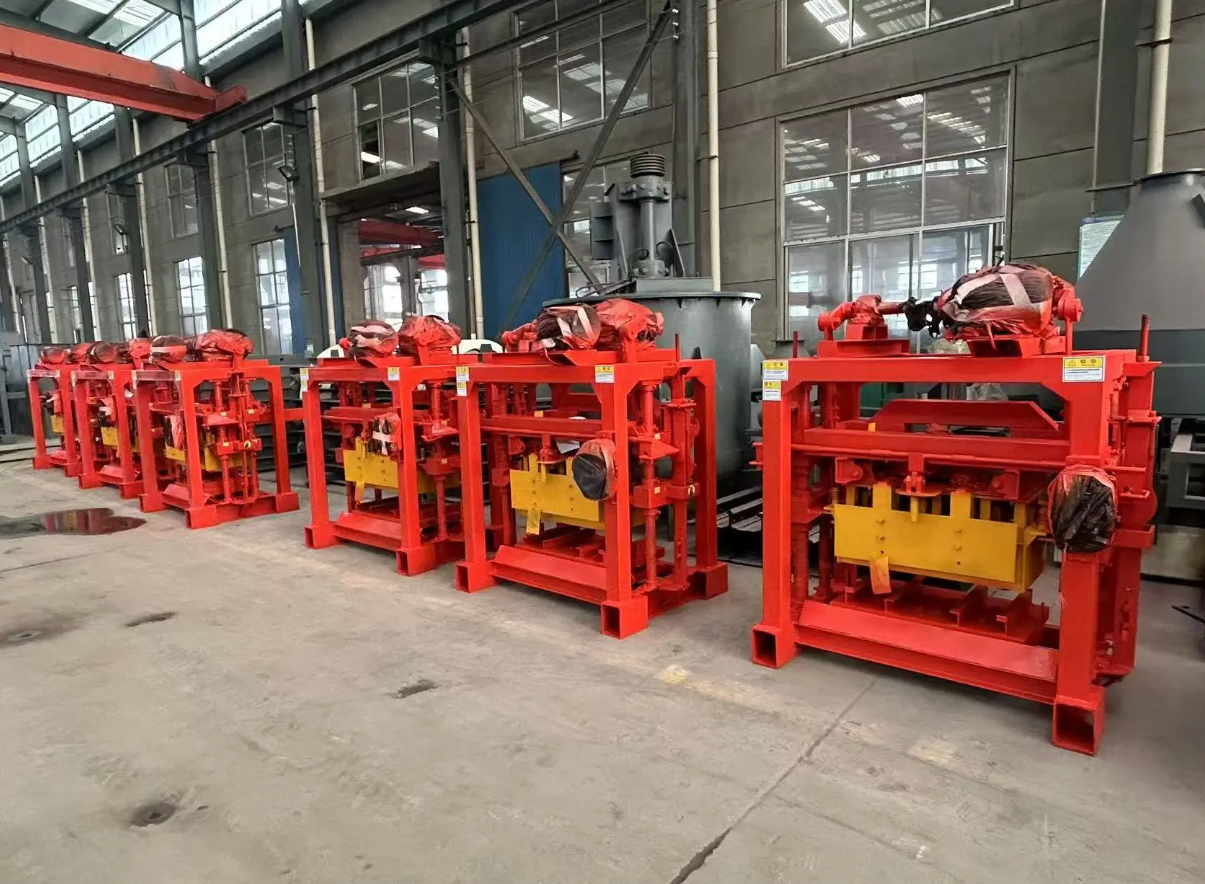
Brochure capacity is measured in ideal conditions. Real demand is lumpy. A yard may need 3,000 blocks one week and 800 the next. A fully automatic line is happiest when it runs the same product for long stretches. Changeovers, material inconsistency, and power interruptions hurt its efficiency. A medium sized machine with 30 to 50 kW total power can flex with demand. The intelligent integrated block molding machine from Yaoda supports fully automatic, semiautomatic, and manual modes. That range matters in markets where orders shift and labor is available. Instead of chasing maximum hourly output, the factory matches output to what customers actually buy.
The capital and operating cost trap behind automation
Upfront price is only the first number. A fully automatic line needs more floor space, stronger foundations, more spare parts, and better trained technicians. A medium machine often costs between 100000 and 500000 yuan and fits in about 200 to 500 square meters, including raw material and finished product areas. That scale suits small and medium investors. When utilization is low, a large automated line spreads fixed costs over fewer blocks, which raises unit cost. ISO 14001 environmental management also pushes factories to avoid wasted energy and material. An idle high capacity line wastes both.
Product flexibility when market demand shifts
Brick markets rarely stand still. A yard may sell standard bricks, hollow blocks, perforated bricks, curb stones, and slope protection bricks in the same season. Mold changes decide how fast the factory can respond. A semiautomatic machine with simple touch screen or button control lets operators switch products without a long setup. The same machine body can run different molds, and mold gaps are machined to keep dimensional error within plus or minus 0.5 mm. That precision gives a smooth surface and fewer rejects. A fully automatic line can also change molds, but the programming, alignment, and testing time may be longer. For a factory with many small orders, flexibility beats raw speed.
Power, space, and maintenance realities in emerging markets
Infrastructure decides what automation level makes sense. A fully automatic line depends on stable voltage, clean compressed air, and reliable water supply. In regions where power dips or generators run part time, sensitive electronics can cause stoppages. A medium machine with lower total power is easier to support. Maintenance skills matter too. Hydraulic systems, PLC controls, and sensors need trained staff. A semiautomatic machine keeps some manual assistance, which helps when technicians are hard to find. Glass fiber pallets add another layer of reliability. They resist water, acid, alkali, and salt, and they keep their shape from minus 40 to 90 degrees Celsius. In a 2025 Guinea project, a complete brick line and 1,500 glass fiber pallets were supplied to a local factory. The pallets reduced breakage and downtime in a humid climate, which matters more than a higher automation label.
A practical selection path and where Yaoda fits
Selection should start with questions, not with a machine size. 1. How stable is the order book across the year. 2. How often will product types change. 3. What is the real power quality. 4. What maintenance skills exist on site. 5. How much space and capital are available. 6. What is the cost of downtime. Factories that answer these honestly often find that a semiautomatic or intelligent integrated machine is the better fit. Yaoda has served brick makers for more than 26 years and supplies machines, molds, and glass fiber pallets through projects in Africa, Asia, and other regions. That manufacturing and supply chain experience helps match equipment to real production conditions. A fully automatic block machine is a powerful tool, but it is not a universal answer.
Table of Contents
- Why the biggest machine is not always the right machine
- Matching output to real demand instead of brochure capacity
- The capital and operating cost trap behind automation
- Product flexibility when market demand shifts
- Power, space, and maintenance realities in emerging markets
- A practical selection path and where Yaoda fits