
 EN


Why Mobile Block Machines Fit Road Projects So Well
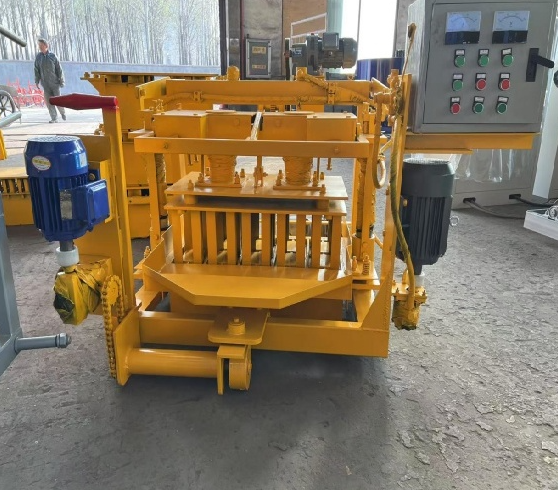
Road and infrastructure work often happens far from established supply chains. A contractor building a highway through rural terrain may be hours from the nearest concrete block plant. That distance adds freight costs, creates delivery delays, and makes just-in-time scheduling nearly impossible. A mobile block machine changes that equation by moving the production line directly to the project site. Raw materials like cement, sand, and aggregate are often available locally or easier to transport in bulk than finished blocks. This setup allows crews to produce pavers, curbstones, retaining wall blocks, and other concrete units exactly where they are needed.
For infrastructure contractors, the value of a mobile block machine goes beyond convenience. It shifts inventory risk away from long lead times and puts production control in the hands of the site team. When a road base needs immediate repair or a drainage channel needs lining, waiting for a factory delivery can stall the whole schedule. On-site production removes that bottleneck.
On-Site Production Cuts Logistics Costs in Remote Locations
Transportation often represents a larger share of total block cost than the concrete itself. Moving heavy, bulky blocks over rough roads burns fuel and damages product. A standard concrete block truckload may weigh 24 tons, and unloading each unit by hand or small crane slows work. With a mobile block machine, the same truck that delivers cement and aggregate can feed the mixer, while finished blocks stay on site. This reduces double handling and breakage. In remote areas, the savings from avoiding long hauls can justify the equipment investment on a single large project.
According to the National Ready Mixed Concrete Association, transportation can account for up to 20 percent of delivered concrete product cost in rural markets. That figure does not include the cost of delayed deliveries or the breakage rate that climbs when trucks bounce over unpaved access roads.
What Types of Blocks Roads and Infrastructure Actually Need
Not all concrete blocks are the same, and road projects use a specific set. Interlocking pavers must meet ASTM C936 for compressive strength and freeze-thaw durability. Retaining wall units follow ASTM C1372 or similar. Curb and gutter blocks require high edge strength to resist vehicle impact. A mobile block machine with adjustable molds can produce all these shapes from one base unit, as long as the compaction force and vibration settings are correct. The table below compares typical block types used in road infrastructure and the key property each one demands.
| Block Type | Common Use | Key Property | Relevant Standard |
|---|---|---|---|
| Interlocking Paver | Road shoulders, walkways | Compressive strength, freeze-thaw | ASTM C936 |
| Curb Stone | Edge restraint, drainage | Edge strength, dimensional accuracy | ASTM C825 |
| Retaining Wall Block | Slope stabilization | Compressive strength, durability | ASTM C1372 |
| Hollow Core Block | Culvert headwalls, barriers | Density, water absorption | ASTM C90 |
A Field Example from a Mountain Highway Project
A contractor working on a mountain pass in the Andes faced a common problem: no local block supplier within 150 kilometers. Hauling pavers and curbstones over unpaved switchbacks was expensive and slow. The solution was a mobile block machine set up near a river aggregate source. Cement arrived in bulk every two weeks, while sand and stone came from the riverbed after screening. The crew produced over 40,000 interlocking pavers and 8,000 linear feet of curb units over a four-month stretch. The project finished ahead of schedule because material shortages never stopped work. This example shows how on-site production aligns material supply with actual daily needs.
Key Technical Points to Check Before Buying a Mobile Unit
A mobile block machine is not a toy. Buyers need to verify several technical details before committing. First, the compaction force and vibration frequency must match the block type. Interlocking pavers require higher compaction than hollow blocks. Second, the mold change system should be quick and tool-free if possible, because road projects often switch between shapes. Third, the hydraulic system needs adequate cooling for continuous operation in hot climates. Fourth, check the machine's footprint and setup time, since a truly mobile unit should be ready to produce within a day after arrival. Ignoring these points leads to underperformance and excess downtime.
How Yaoda Supports Infrastructure Contractors
Choosing the right mobile block machine also depends on the manufacturer behind it. Yaoda has been building concrete block machinery since 1999 and understands the demands of road and infrastructure work across different regions. With a 16,000 square meter production facility and a technical team of over 300 staff, the company offers mobile machines that balance portability with production consistency. Contractors in Africa, the Middle East, and Southeast Asia have used Yaoda equipment for projects ranging from rural roads to urban drainage systems. That field experience feeds back into design improvements, so each new unit arrives better suited to real site conditions.
Table of Contents
- Why Mobile Block Machines Fit Road Projects So Well
- On-Site Production Cuts Logistics Costs in Remote Locations
- What Types of Blocks Roads and Infrastructure Actually Need
- A Field Example from a Mountain Highway Project
- Key Technical Points to Check Before Buying a Mobile Unit
- How Yaoda Supports Infrastructure Contractors