 EN
EN
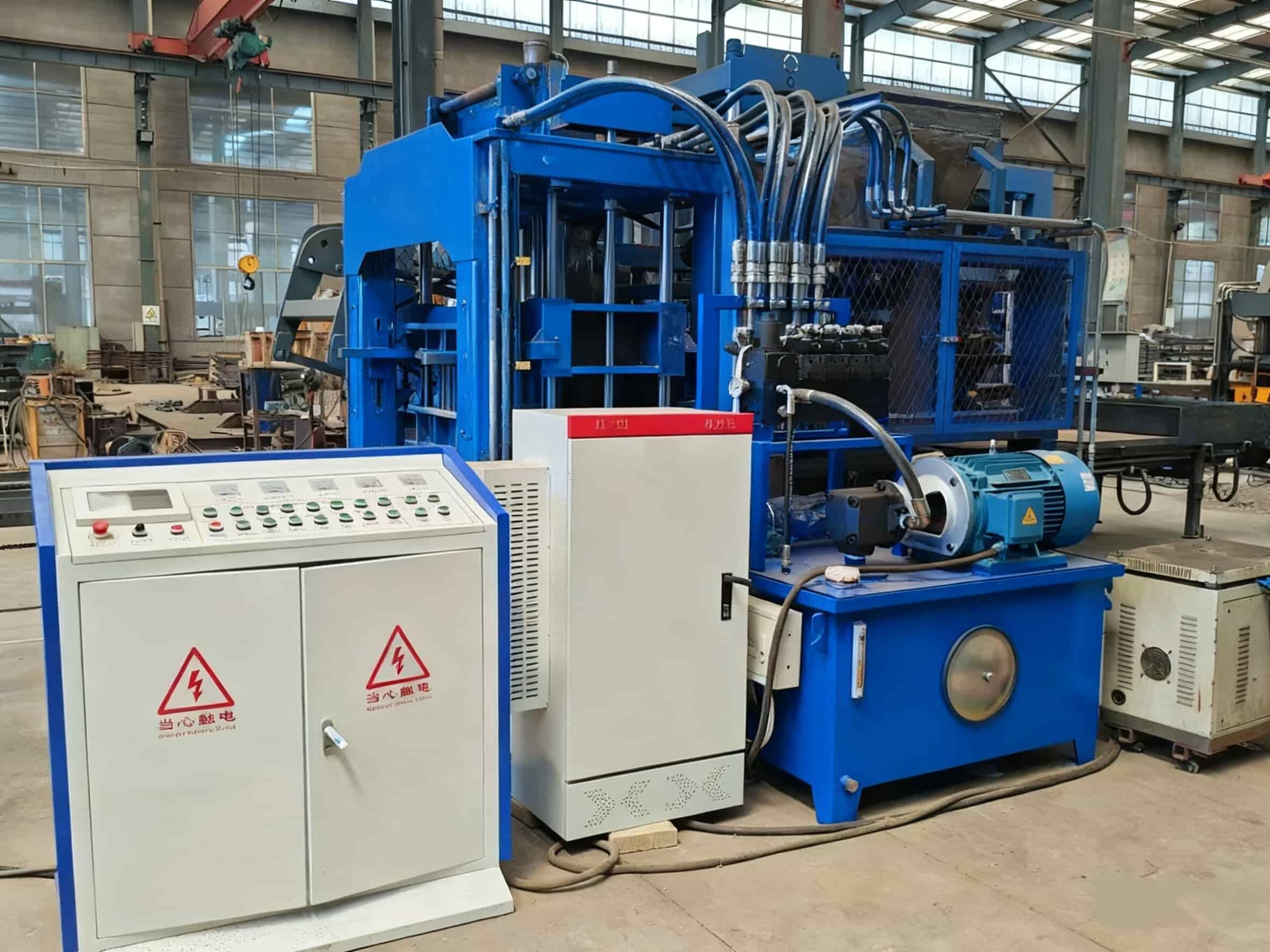
Eliminating Human Variability with Automatic Concrete Block Making Machines
Standardized cycle timing, pressure calibration, and material dosing
Automatic concrete block making machines with automatic features bring a whole new level of precision thanks to their programmable settings that cut down on those annoying manual errors. Timing cycles stay pretty consistent around half a second give or take, while the hydraulic pressure stays within about 1% of what it should be. When it comes to mixing materials, these machines use load sensors to get the right mix of aggregates each time. The result? Water cement ratios don't fluctuate nearly as much as they do when people are doing the work manually something that drops variability by roughly 90%. And this matters because blocks cure more evenly throughout, which means better quality end products without all the guesswork involved in traditional methods.
Reduction in dimensional deviation and compressive strength variance
By removing human-dependent variables, automated systems achieve exceptional consistency in both geometry and performance. Where manual production yields ±5mm dimensional deviations and up to 40% compressive strength variance, automated lines maintain tight tolerances aligned with ASTM C90 standards:
| Quality Metric | Manual Production | Automated Production | Improvement |
|---|---|---|---|
| Dimensional Tolerance | ±5mm | ±1mm | 80% tighter |
| Compressive Strength Variation | Up to 40% | ≤5% | 8x more consistent |
These improvements significantly reduce structural failure risks in load-bearing walls. Industry data shows automated plants achieve defect rates below 0.1%, compared to 5–7% in manual operations (Construction Materials Journal, 2023).
Real-Time Quality Control in Automatic Concrete Block Making Machines
Sensor-driven closed-loop adjustments for density, moisture, and compaction
IoT sensors built right into the equipment keep track of things like how much something is vibrating, how wet materials get, and what kind of pressure they're under, sending all this info straight to computer controllers as it happens. When the humidity sensors pick up changes in raw materials that go over 2 percent difference from normal levels, the system automatically adjusts how much water gets injected back into the mix almost instantly. The whole feedback loop keeps product density pretty much spot on, staying within about 1.5 percent variation either way. This setup cuts out those pesky mistakes people make when adjusting settings manually, so every single batch comes out structurally consistent. Manufacturers are seeing around 98 percent consistency in their materials now without anyone having to step in and tweak things by hand, which means way less wasted material going down the drain.
Laser scanning and computer vision for automated defect detection
After manufacturing is complete, inspectors rely on laser scanners with exceptional resolution to measure block dimensions down to about 0.3 mm accuracy. At the same time, computer vision software scans surfaces at around 500 frames every second. These smart systems can spot tiny flaws like hairline cracks, small chips, or subtle deformations that would completely escape notice during regular visual checks. When problems are detected, defective pieces get tossed out automatically by pneumatic arms which handle roughly 1,200 blocks each hour without causing any slowdowns in the production line. The results speak for themselves: factories implementing this tech see about a 95% reduction in visible defects compared to old fashioned manual inspections. Most importantly, production facilities report almost no rejected materials onsite since the system catches issues before they reach final assembly stages.
Process Optimization for Scalable Consistency and Structural Integrity
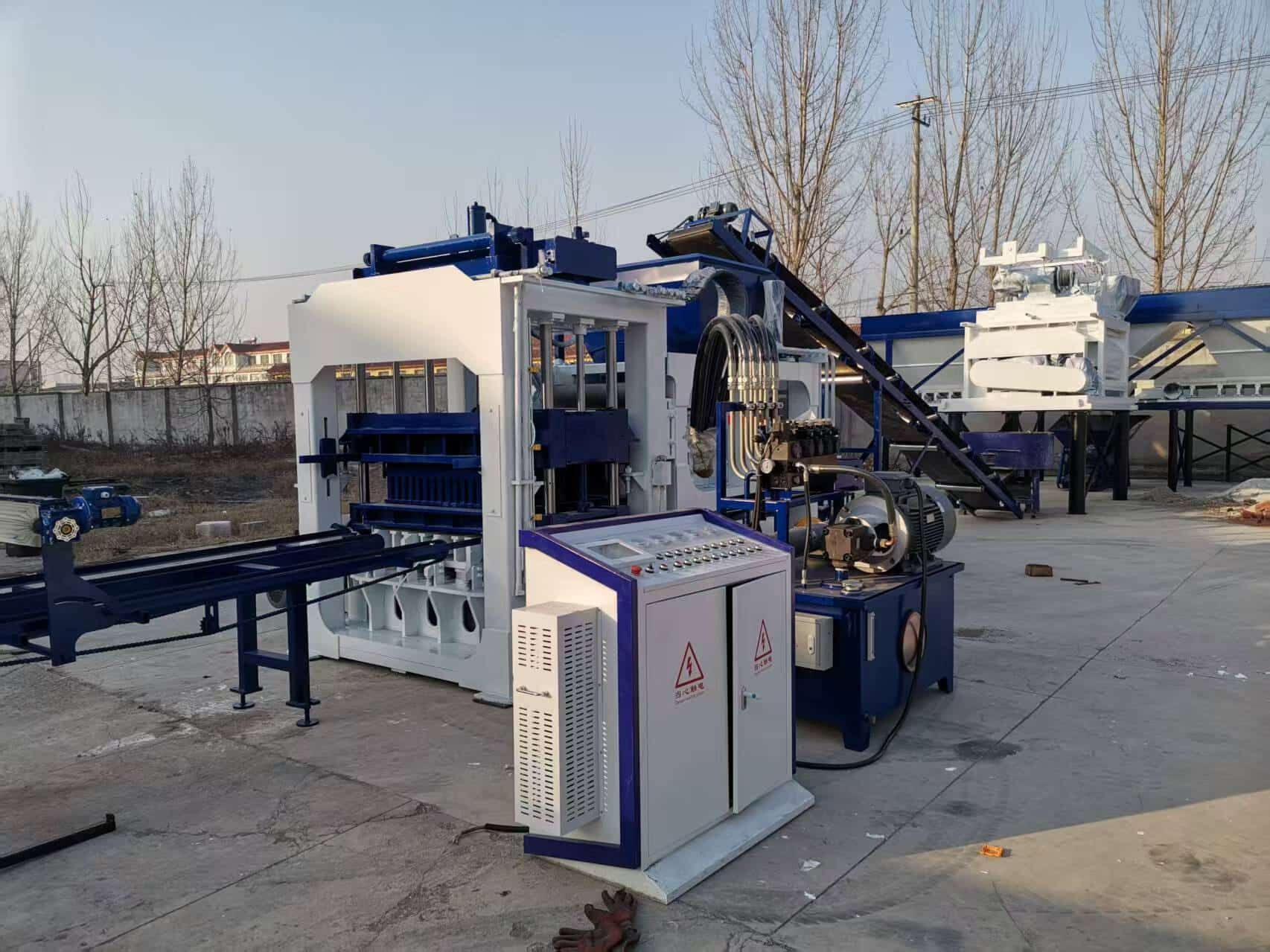
When automation comes into play, process optimization starts working for itself in a way that keeps getting better over time. Smart systems tweak things like material flow rates and compaction settings while everything is running, which means products come out with the same density even when there are big swings in production volume. The machines themselves are built in modular sections so companies can scale up quickly without having to redesign everything from scratch just because demand goes up. Traditional setups needed constant manual tweaking during those busy production periods, but these new systems handle most of that automatically. Looking at how materials behave under different conditions helps fine tune the curing environment predictions. This approach builds in quality checks right from the start instead of waiting until the end for inspections. Whether making just a few hundred parts or cranking out thousands each hour, structural consistency remains intact throughout the entire batch.
The Speed-Quality Paradox: How Higher Throughput Reinforces Reliability
Data-accumulated process refinement across production batches
Most people still think faster production means lower quality, but automatic concrete block makers tell a different story. These machines actually improve quality as they go faster because they constantly collect detailed information during each production run. They track things like how hard the material gets pressed, its moisture level, and whether each block meets size requirements. This creates what we call a feedback system where producing more blocks gives us exponentially better data points for fine tuning. Big companies have seen around 30% fewer size variations since they started using smart algorithms that learn from processing over 50 thousand blocks every day. This translates to about seven hundred forty thousand dollars saved yearly just from fixing fewer defective products. What makes this interesting is that it breaks down the old assumption that going fast hurts quality. As these machines work harder, their built up knowledge actually improves precision levels for both strength tests and surface finish. Infrastructure projects now feel confident enough to calculate load bearing capacities knowing there's nearly a 99% chance everything will meet safety standards. So contrary to what many believe, automation shows us that speed doesn't compromise quality it actually helps maintain it.
FAQ
How do automated systems improve the consistency in concrete blocks?
These systems minimize human-dependent variables in production, significantly reducing dimensional and compressive strength variations, thereby conforming closely to standards like ASTM C90.
What role do IoT sensors play in quality control?
IoT sensors provide real-time data on material vibration, moisture, and pressure, enabling automatic adjustments for optimal density and structural consistency in each batch.
How do laser scanning and computer vision contribute to defect detection?
These technologies detect and automatically remove minute defects during manufacturing, reducing visible flaws in finished products by about 95%.
Does automation affect the speed and quality of concrete block production?
Yes, automation enhances both speed and quality. As machines process data from each run, they refine their operations, resulting in fewer defects while maintaining high throughput.
Why are automatic concrete block making machines more precise than manual methods?
Automatic machines use programmable settings, load sensors, and IoT sensors to maintain consistent cycle timing, pressure, and material mixing, thus reducing errors common in manual methods.
Table of Contents
- Eliminating Human Variability with Automatic Concrete Block Making Machines
- Real-Time Quality Control in Automatic Concrete Block Making Machines
- Process Optimization for Scalable Consistency and Structural Integrity
- The Speed-Quality Paradox: How Higher Throughput Reinforces Reliability
-
FAQ
- How do automated systems improve the consistency in concrete blocks?
- What role do IoT sensors play in quality control?
- How do laser scanning and computer vision contribute to defect detection?
- Does automation affect the speed and quality of concrete block production?
- Why are automatic concrete block making machines more precise than manual methods?