 EN
EN
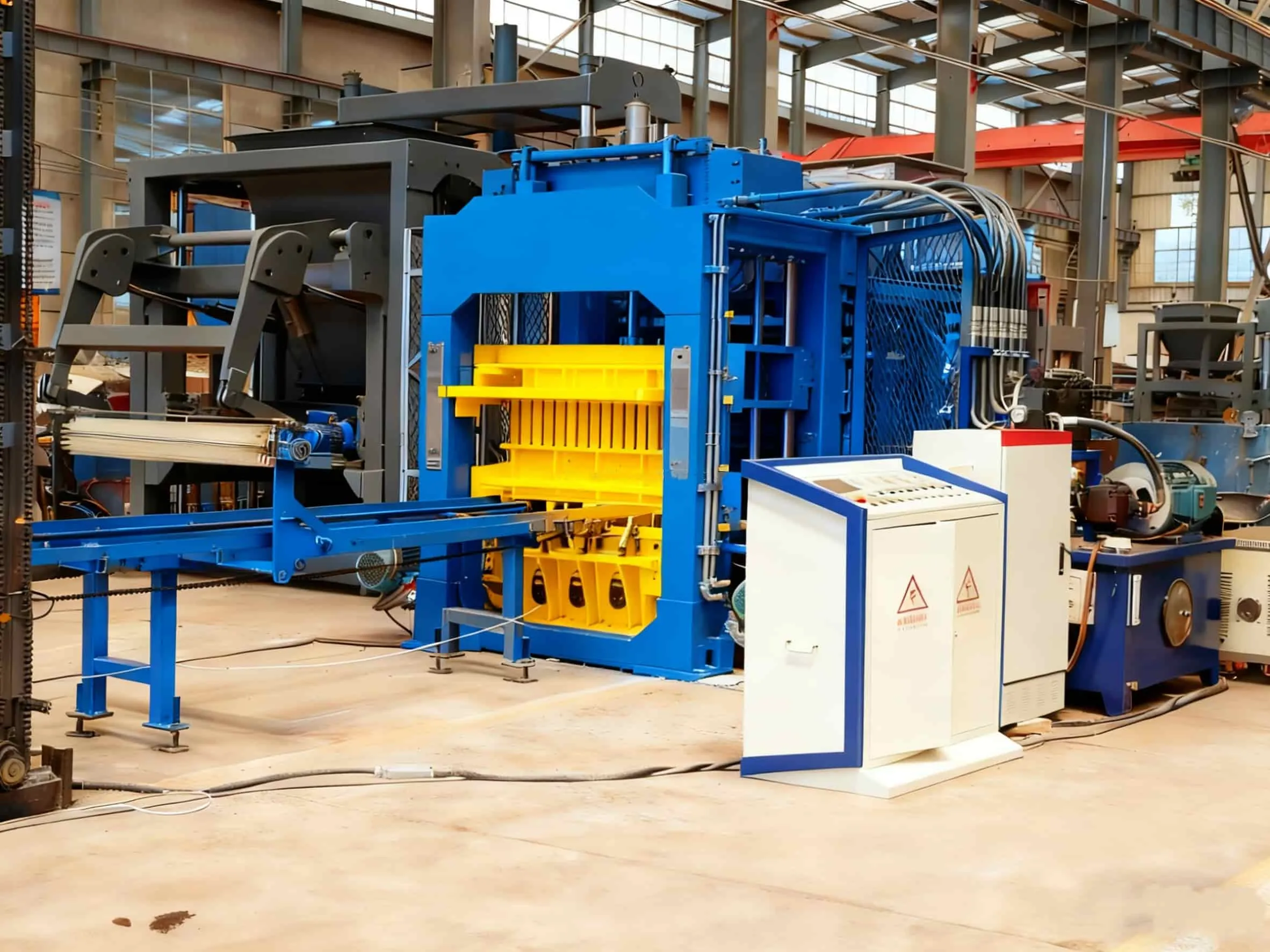
How Automatic Concrete Block Making Machines Drive High-Output Production
Core Mechanism: Hydraulic Pressing, Vibratory Compaction, and PLC Automation
Producing blocks with an automatic concrete block making machine at high volumes really depends on getting three main technologies working together seamlessly: hydraulic pressing, vibratory compaction, and those PLC automation systems everyone talks about these days. The hydraulic part does what it says on the tin basically applying controlled pressure (we're talking around 175 kN here) to squeeze the concrete mixture into solid blocks that hold their shape. At the same time, those vibrating mechanisms knock out air pockets from the mix, which means most batches end up with pretty much the same density throughout, somewhere north of 95%. And let's not forget about the PLC stuff. These controllers tie everything together feeding materials, shaping them, pressing hard enough, then popping them out all without missing a beat. This setup cuts down on downtime and saves about 1.5 seconds per block compared to older semi-automatic machines. Oh, and computer systems handle the mixing ratios too, making sure every batch gets the right ingredients. Then there are those special curing chambers kept at just the right temps and humidity levels so the blocks actually gain proper strength over time.
Real-World Output Benchmark: QT4-15 Achieving 120,000+ Blocks per 8-Hour Shift
The QT4-15 automatic concrete block making machine exemplifies industrial-scale efficiency. Its modular line produces 15 standard blocks per cycle at 12-second intervals—translating to over 120,000 units per 8-hour shift. This output surpasses manual casting (max ~500 blocks/shift) by two orders of magnitude. Key enablers include:
- Adaptive servo vibration that adjusts amplitude and frequency based on mix consistency
- Fully automated palletizing capable of stacking 1,500 blocks/hour without operator intervention
- Integrated conveyor networks that eliminate manual transfer delays
The performance gap is quantifiable:
| Production Method | Blocks/Hour | Labor Required | Rejection Rate |
|---|---|---|---|
| Manual Casting | 60–80 | 6–8 workers | 12% |
| QT4-15 Automatic Machine | 1,500+ | 1 operator | 2.7% |
Source: Productivity Analysis, Ponemon Institute (2023)
Matching Machine Capacity to Plant Scale: From Small Batch to Industrial Output
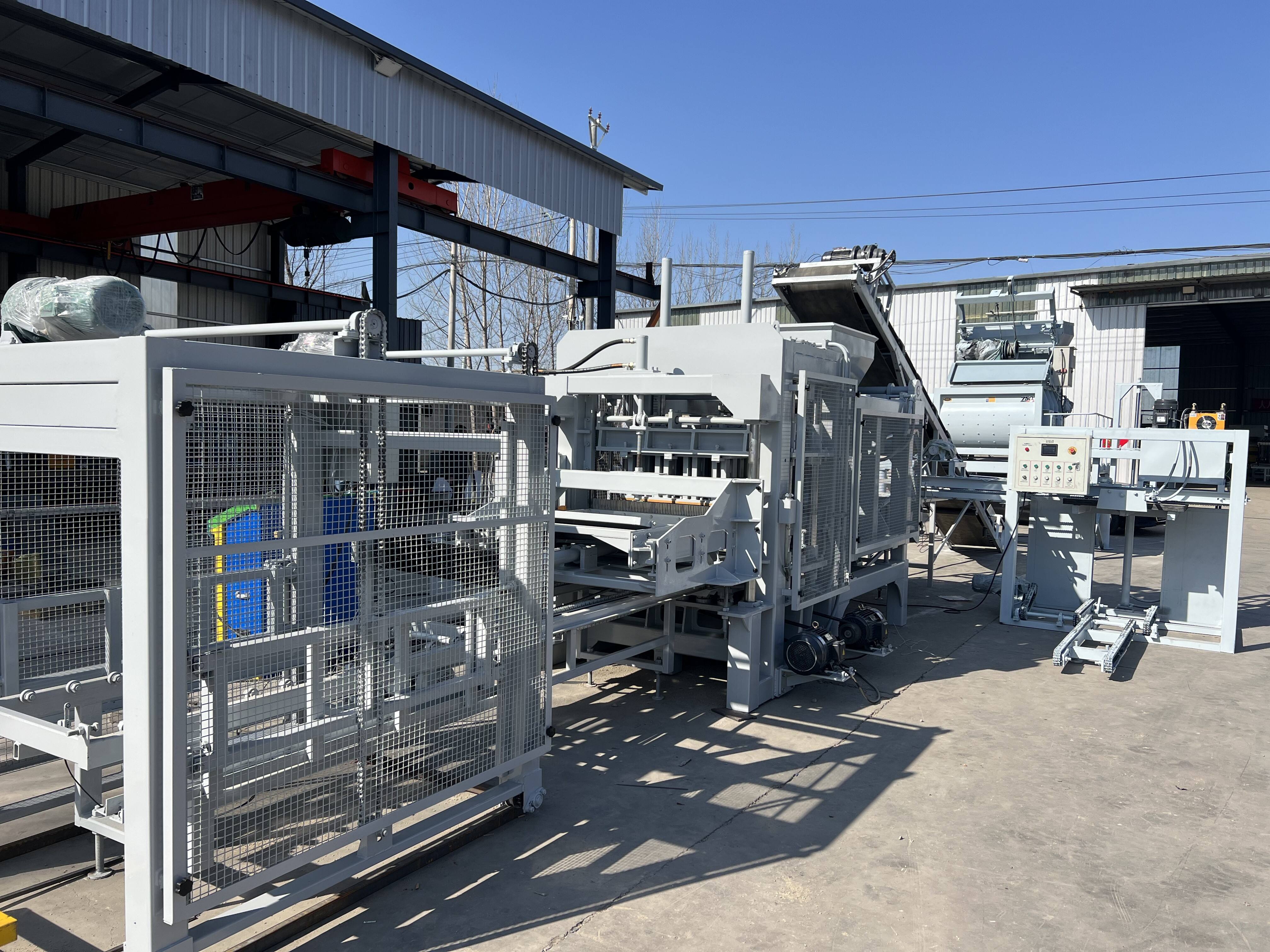
Output Tiers Explained: LT4-10 (30,000 pcs/shift) vs. QT4-15 (120,000+ pcs/shift)
Picking the correct automatic concrete block maker really depends on matching output levels to what the business actually needs. For smaller operations like local workshops or regional suppliers, the LT4-10 model works well. It can produce around 30,000 standard blocks during an 8 hour workday, which makes it great for meeting local market demands or running test productions. On the other hand, bigger companies involved in national distribution networks or major construction projects will find the QT4-15 much better suited to their needs. This larger machine maintains production rates exceeding 120,000 blocks per shift thanks to features like synchronized PLC controls, fast cycle molds, and strong structural components throughout. There are several key differences between these models worth considering when making a selection.
| Feature | LT4-10 (Small Scale) | QT4-15 (Industrial Scale) |
|---|---|---|
| Output/Shift | ~30,000 blocks | 120,000+ blocks |
| Power Consumption | Lower absolute draw | Optimized kWh per block |
| Space Needed | Compact footprint (~25 m²) | Requires dedicated floor space (~120 m²) |
| Best For | Niche markets, startup plants | Bulk contracts, multi-site distribution |
Scalability Guide: When to Invest in a High-Capacity Automatic Concrete Block Making Machine
Consider moving to industrial grade automation once daily production regularly hits around 80 thousand units or more, especially if there are long term agreements on the table that call for over thirty percent growth each year. The big ticket machines pay off mainly in two ways. First they cut down on hands on labor costs by roughly sixty to seventy percent. Second they boost production capacity dramatically, sometimes doubling or even tripling output without needing to hire extra staff. For most operations sending products across the country, getting back the initial investment usually takes between eighteen and twenty four months give or take. Before jumping into this kind of expansion though, having a solid twelve month sales projection makes all the difference. When looking at these numbers, anything showing compound growth above thirty percent typically points towards the QT4-15 being the right choice for most businesses.
Economic and Operational Advantages of Fully Automatic Systems
Labor Savings, Energy Efficiency, and ROI Timeline for Automatic Concrete Block Making Machines
Automatic systems completely change how money flows through operations—not only because they save on labor costs, but also because they change what people actually do day to day. Workers move away from manual tasks toward monitoring processes, where one tech can handle several production lines at once. This cuts down on direct labor requirements by around 70% compared to older semi-auto methods. The machines themselves are built with energy efficiency in mind. Servo motors for vibrations and variable speed pumps for hydraulics mean factories use between 15 to 30% less power per item made while still maintaining product quality standards. All these improvements come together pretty quickly when it comes to getting the money back on investment. Most big installations see their costs paid off within 18 to 36 months. Plants that produce over 100 thousand blocks each day find going fully automated almost mandatory nowadays. Unit prices drop by roughly 18 to 22 cents per block, there's about 9% less material wasted overall, and meeting those important ASTM C90 and ISO 9001 quality standards becomes much easier to maintain consistently.
Frequently Asked Questions
How does the QT4-15 machine enhance block production efficiency?
The QT4-15 machine can produce over 120,000 blocks per 8-hour shift due to its adaptive servo vibration, automated palletizing, and integrated conveyor networks, significantly surpassing manual production methods.
When should a company invest in a high-capacity block making machine like the QT4-15?
Companies should consider investing when daily production consistently reaches 80,000 units or more, and when there's a foreseeable growth of 30% in their operations, to gain from labor cost reductions and increased output.
What are the economic benefits of fully automatic block making systems?
These systems reduce labor costs by around 70%, decrease power consumption by 15-30%, and ensure faster ROI by enhancing production efficiency and reducing material waste.
What are the main components of an automatic concrete block making machine?
The main components include hydraulic pressing, vibratory compaction, and PLC automation systems that control the entire production process, ensuring consistent block quality.