 EN
EN
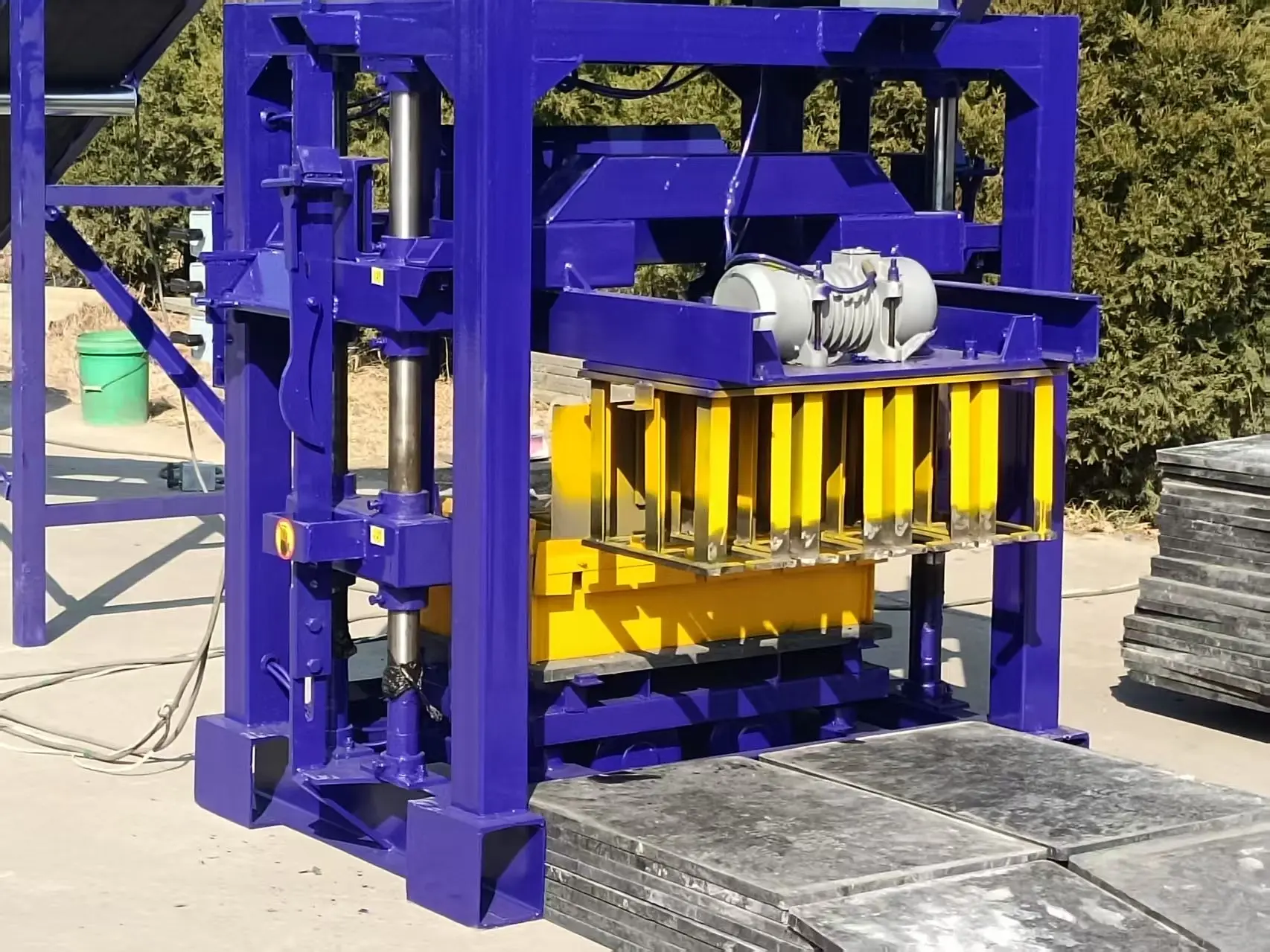
Match Production Capacity and Block Type Requirements about Automatic Concrete Block Making Machine to Your Business Goals
Aligning Output Volume with Market Demand and Project Pipeline Scalability
Picking out an automatic concrete block making machine means getting the production numbers right for what the business actually needs. If we underestimate how much people want, we miss chances to grow. But going way overboard just leaves machines sitting around collecting dust and burning through cash. Look at past sales records, current contracts on the books, and those three year growth estimates to figure out how many blocks per day are realistically needed. Big infrastructure projects usually call for at least 5,000 blocks each day, whereas smaller regional suppliers can get by fine with around 1,000 units daily. Throw in about 20% extra capacity beyond what looks like the top end forecast. This gives room when surprise orders come in without breaking the workflow completely. Go for machines that let us upgrade step by step later on, like adding conveyor belts or extra pressing units down the road. These kinds of systems tend to stay relevant in the shop for another 3 to 5 years before needing total replacement. Make it a habit to check capacity against actual performance every 12 to 18 months or so. Markets change fast enough that what worked yesterday might not cut it tomorrow.
Ensuring Compatibility with Key Product Lines: Hollow Blocks, Solid Blocks, and Paving Units
Machines need to consistently manufacture the specific block varieties that generate income while maintaining accurate dimensions and proper finish quality throughout production runs. For hollow blocks, getting the cavity shape right along with even wall thickness is essential to meet structural requirements. Solid blocks present different challenges since they typically require much greater compaction force, often around or above 2000 psi, to ensure they can actually support loads properly. Paving stones are another category altogether, needing special mold designs that incorporate surface textures, interlocking features, and sometimes integrated colors as well. When evaluating equipment options, it's important to verify whether these fundamental manufacturing capabilities are actually achievable in practice.
- Mold-change flexibility under 15 minutes
- Adjustable pressure range covering 1,200–2,500 psi
- Tunable vibration frequency (40–75 Hz) for optimal consolidation across mix designs
Equipment that handles all three product lines can cut down on equipment costs by around 25-30% compared to having separate machines for each task. When looking at options, go for systems with standard mold connections since this makes it much easier when expanding operations later on to things such as permeable pavers or sound absorbing blocks down the road. It's really important to test how these machines work with the actual materials being used in production. The way aggregate particles are sized, what kind of cement is mixed in, plus the ratio between water and cement will have a big impact on how dense the final blocks are, their surface quality, and whether they hold their shape properly across different types of blocks produced.
Compare Automation Levels of the Automatic Concrete Block Making Machine
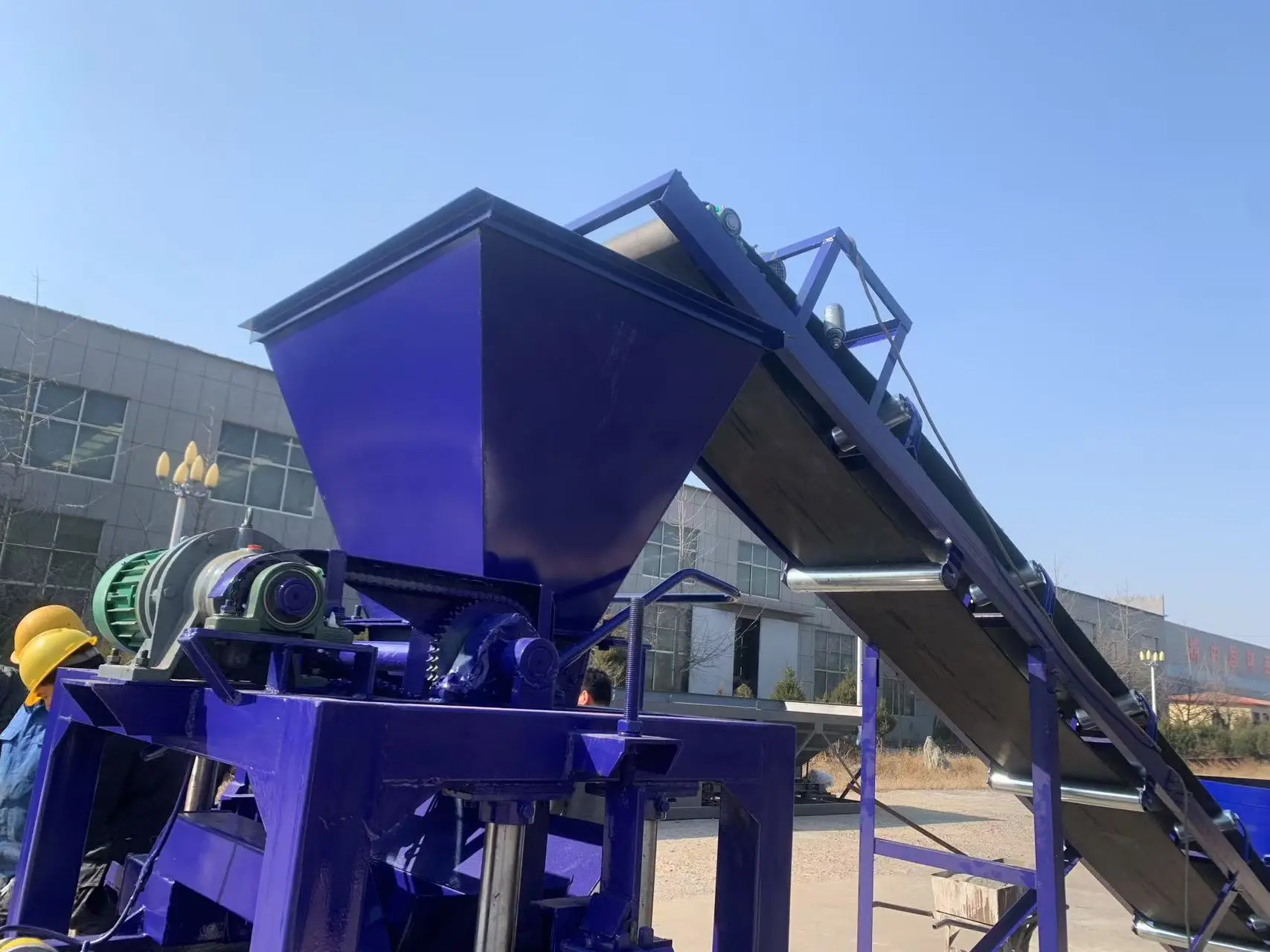
Fully Automatic vs. Semi-Automatic: Throughput, Flexibility, and Operator Skill Dependencies
Automatic block making machines handle everything from feeding raw materials to stacking finished products, needing very little human intervention. These systems can crank out over 2500 blocks each hour, which makes them great for large scale operations where they produce standard items like hollow blocks for housing developments. However, switching between different product types is time consuming and often requires changes at the PLC level. Semi automatic versions need workers to load materials and handle blocks manually, so their maximum output stays under 1000 units per hour. But these systems respond better when making customized products such as stamped or colored paving stones. The skills needed for each system are quite different too. Running full automation requires tech savvy staff who understand mechatronics and how to troubleshoot digital systems. Success with semi automatic machines depends more on consistent operator performance, particularly around getting the vibration timing right during production. Field studies show that without close monitoring, quality problems appear in about 30% of semi automatic production runs according to audits done at twelve medium sized factories last year.
Labor Integration Strategy: Training Needs, Supervision Requirements, and Shift Optimization
Getting semi automatic systems up and running takes around three to four weeks of actual hands on training where workers learn all about mixing aggregates properly, controlling moisture levels, and how to assess vibrations by touch. The production lines really need someone watching them constantly on the factory floor too usually one supervisor for every four people working there so that everything stays compacted evenly and dimensions don't start drifting off track. Staggering work shifts helps keep mistakes down when doing the same thing over and over again day after day. With full automation comes a big drop in regular labor requirements somewhere around sixty percent less hands on work actually. But what happens is companies end up needing more skilled techs who can handle robot repairs, calibrate sensors, and watch those digital dashboards all day long. Workers get cross trained in things like hydraulics, electrical stuff, and fixing basic problems with PLC controls which makes rotating shifts throughout the day and night much smoother operationally speaking. Management changes from walking around checking things manually to sitting at desks getting alerted automatically whenever something goes wrong with hydraulic pressure readings, mold temperatures, or if cycles take longer than they should. For most operations sized right for these systems, switching to this kind of labor model typically pays itself back within eighteen months give or take because there's less overtime paid out, fewer defective products ending up as waste, and not so many unexpected shutdowns happening throughout the year.
Evaluate Long-Term Value: Durability, Energy Efficiency, and Total Cost of Ownership
When investing in an automatic concrete block making machine, long-term value hinges on three interdependent pillars: structural resilience, energy efficiency, and holistic cost modeling. Facilities neglecting any one of these face up to 32% higher operational expenditures within five years (Industry Efficiency Report, 2023).
Build Quality Matters: ISO-Certified Steel Frames and Wear-Resistant Components Extend Service Life by 40%+
Equipment constructed with ISO 9001 certified steel frames experiences roughly half as many stress fractures during long term operation compared to standard models. When manufacturers also incorporate tungsten carbide lined molds along with hardened vibration plates into their designs, they see around 60 percent reduction in unexpected part failures. The average time between breakdowns increases by more than 40% as well. Facilities that switch to these durable construction methods typically cut down on yearly maintenance costs by about 19%. This savings comes from several factors including reduced downtime and less frequent need for repairs across different production lines.
- 78% fewer mold abrasion failures
- Elimination of frame realignment downtime
- 40% longer service intervals for hydraulic cylinders and actuation systems
Energy-Saving Hydraulic Systems: Consumption Benchmarks and Typical ROI Within 18–24 Months
Modern hydraulic systems equipped with variable-frequency drives (VFDs) reduce energy draw by 15–25 kWh per production hour versus conventional fixed-speed units. Since electricity accounts for 34% of typical operational costs, this translates directly into TCO improvement.
| TCO Factor | Standard Hydraulic | Energy-Saving System | Reduction |
|---|---|---|---|
| Power Consumption | 45 kWh/hour | 32 kWh/hour | 29% |
| Annual Energy Cost | $18,900 | $13,440 | $5,460 |
| Cooling Requirements | Moderate | Minimal | – |
| Noise Reduction | 80 dB | 68 dB | 15% |
The 18–24 month ROI window reflects not only utility savings but also incentive rebates for certified energy-efficient machinery and reduced strain on site power infrastructure. High-output facilities–producing 12,000+ blocks daily–achieve payback fastest, leveraging scale to amplify cumulative savings.
FAQ Section
How does automation level affect production efficiency?
Automation level impacts production efficiency by determining the throughput and flexibility of the machine. Fully automatic systems can produce more blocks per hour with less human intervention, whereas semi-automatic ones require more manual input but allow for greater customization.
What are the benefits of investing in energy-efficient hydraulic systems?
Energy-efficient hydraulic systems reduce power consumption, which lowers electricity costs. They also offer a faster return on investment due to utility savings and are eligible for incentive rebates.
What factors should be considered when choosing an automatic concrete block making machine?
When selecting an automatic concrete block making machine, consider production capacity, compatibility with block types, automation levels, and long-term value factors such as durability, energy efficiency, and total cost of ownership.