
 EN
EN
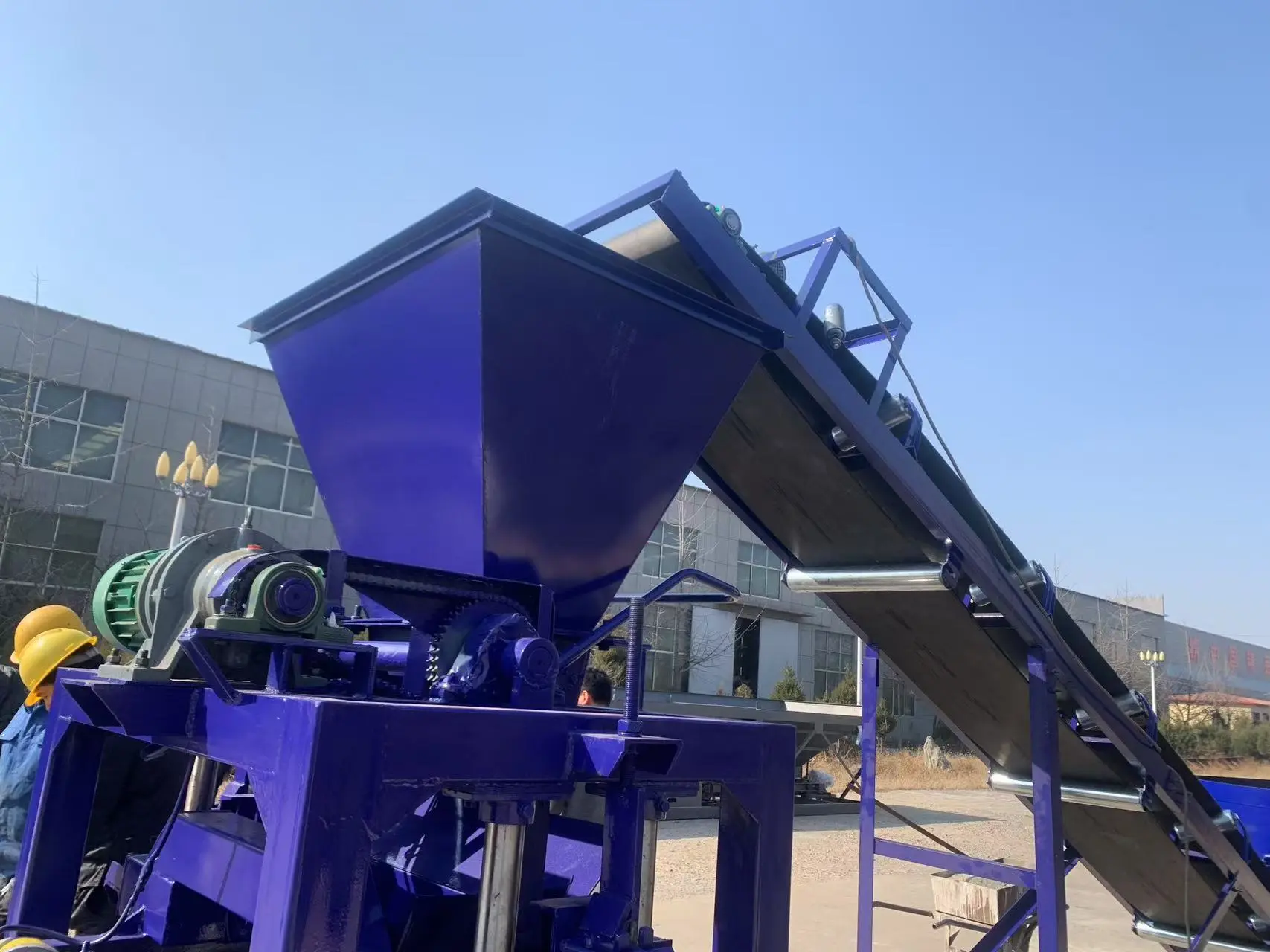
Understanding Production Capacity in Automatic Concrete Block Making Machines
The Core Formula: Cycle Time, Mold Configuration, and Output per Pallet
The production capacity of automatic concrete block making machines really depends on three main factors working together: how fast each cycle runs, what kind of mold setup they have, and how many blocks fit on each pallet. Most machines take between 25 to 60 seconds for a full cycle, which basically means how long it takes from start to finish when making those blocks. The mold itself plays a big role too. Some molds can produce anywhere from 4 to 12 blocks at once depending on their design. Then there's the question of how many blocks actually end up on each pallet before they get moved out for curing. Typically we see numbers ranging from 40 to 120 blocks per pallet. Let's put some numbers into perspective here. Take a machine running 30 second cycles with an 8 block mold. On paper, that should give around 960 blocks every hour. But nobody ever hits those exact numbers in real life operations. Things like maintenance breaks, material inconsistencies, and operator efficiency all drag down actual production rates compared to these theoretical maximums.
Why Rated Capacity ≠ Real-World Output: Curing, Material Consistency, and System Downtime
In reality, most plants struggle to reach their rated capacity because of several operational limitations. The first major hurdle comes from curing times. Blocks simply cannot be moved until they've had time to set properly, usually taking anywhere from a day to two full days depending on conditions. Then there's the issue with raw materials. When aggregates vary too much in size or contain unexpected moisture levels, the whole production line can come to a grinding halt, resulting in all sorts of defects and wasted resources. Another big problem is equipment downtime. Maintenance work, mold changes, and regular cleaning operations eat away at productive hours, cutting actual running time down by roughly 15 to 25 percent across the industry. Getting closer to theoretical capacity means working smarter with curing schedules, ensuring consistent feedstock quality throughout the process, and adopting maintenance practices that anticipate rather than react to breakdowns.
Comparing Capacity Across Automatic Concrete Block Making Machine Models
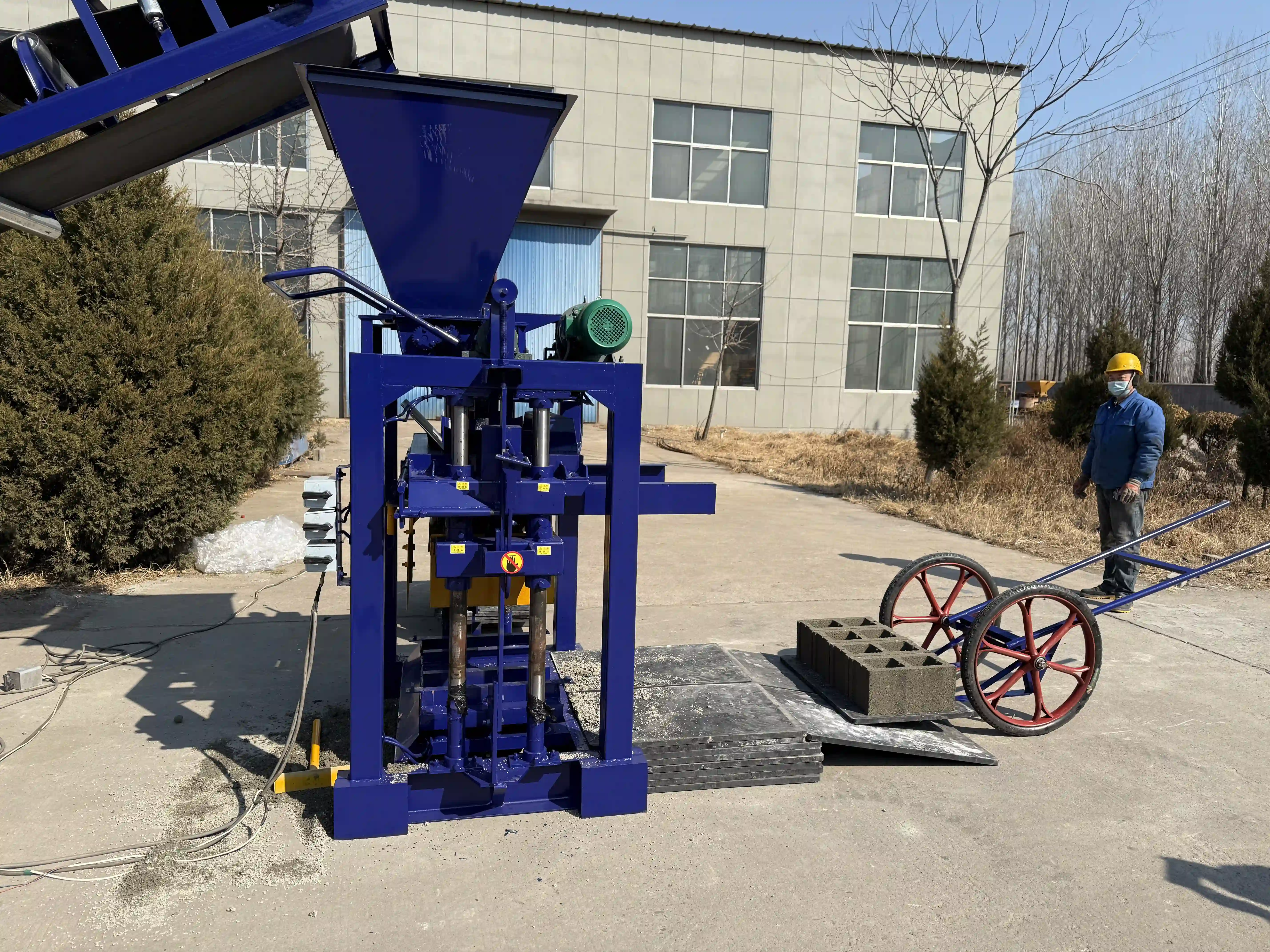
From 25- to 60-Second Cycles: How Automation Level Impacts Effective Throughput
The length of each production cycle has a big impact on how much can actually be produced. Most semi automatic machines take around 45 to 60 seconds per cycle because someone still needs to handle those pallets manually. Fully automated systems with robotics built in can knock that down to 25 to 35 seconds though. The difference between these two approaches matters quite a bit when talking about big operations. Take a machine with 20 cavities running at 30 seconds per cycle it can make about 2,400 blocks in an hour. But if we're stuck waiting 60 seconds between cycles, that drops all the way down to just 1,440 blocks per hour. Of course things aren't quite that simple in practice. Material quality issues and the limitations of how fast things cure usually cut into actual production numbers by somewhere between 15 and 25 percent. And then there's always that unexpected downtime nobody plans for which makes those theoretical maximums even harder to reach.
Output Benchmarks: Blocks per Pallet (40–120) and Verified Daily Capacity (1,200–15,000+)
Concrete block production scales with machine configuration and automation:
- Small-scale (40–50 blocks/pallet): Manual/semi-auto machines produce ~1,200–3,000 blocks/day
- Mid-capacity (60–80 blocks/pallet): Semi-automatic systems deliver 4,000–8,000 blocks/day
- High-output (100–120 blocks/pallet): Fully automated plants achieve 10,000–15,000+ blocks/day
Verified operational studies show that 80% of manufacturers using high-automation systems sustain 90%+ of rated capacity through PLC-controlled material dosing and closed-loop vibration systems. Conversely, semi-automatic operations average 70–80% utilization due to labor dependencies.
How Advanced Automation Enhances and Stabilizes Capacity
PLC Control, Servo-Driven Vibration, and Closed-Loop Feedback for Consistent High-Speed Output
When companies upgrade to advanced automation, they see major improvements in how reliably their operations run day after day. The heart of this transformation lies in three key tech components working together seamlessly. First off, those PLC systems keep an eye on all sorts of variables throughout production - things like how thick materials get and how intense vibrations become. They let operators tweak parameters as needed right when problems start showing up. Then there are these servo-driven vibration modules that fine tune the pressure applied during molding. This helps eliminate those pesky density differences that lead to weak spots in finished products. And finally, closed loop feedback systems jump in whenever something goes slightly off track with pallet placement or feed speed issues. Putting all these together cuts down unexpected stoppages by around 30 percent thanks to early warning signals about potential errors. What's more, most parts coming off the line now meet specifications within 99 percent accuracy range. Plants running full automation typically hit about 95 percent of what their machines can theoretically produce, which beats out older semi-automated setups hands down.
Operational Best Practices to Sustain Peak Capacity
Preventive Maintenance, Raw Material Calibration, and Operator Proficiency as Capacity Multipliers
Getting machines to consistently hit their maximum output depends mostly on three things working together: keeping equipment well maintained, making sure materials are properly calibrated, and having skilled operators around. When we talk about maintenance, regular oiling, checking parts for wear, and adjusting belt tensions goes a long way toward stopping those surprise breakdowns that nobody wants. Some plants have seen their production go up anywhere from 15 to 25 percent just by sticking to good maintenance schedules and avoiding those unplanned shutdowns. The materials side matters too. If there's even slight differences in how wet the aggregates are or what the cement density looks like, it really affects how well molds fill up during production runs. That's why many modern operations install these real time moisture sensors these days. They automatically tweak water levels as needed, which helps maintain consistent block quality across batches while also pushing through more units per hour.
When operators know their stuff, it makes all the difference. Skilled techs can spot when things start going off track during those vibration periods and tweak the pallet change process before problems arise. Facilities that invest in cross training see fewer mistakes stopping production cold. Some plants report that simple errors account for around 40% of their downtime issues. The whole package works together pretty well actually. Better calibrated materials mean less stress on operations day to day. Regular maintenance keeps machines running longer than they otherwise would. And workers who understand what's happening can adjust on the fly when unexpected things pop up. All these factors combine so that equipment runs closer to what it was designed for most of the time. What used to be just numbers on paper becomes actual output coming out of the factory floor every single day.
FAQ
Why is there often a disparity between rated capacity and real-world output?
Issues such as curing time, material consistencies, and system downtime contribute to this disparity.
How does automation level impact throughput in these machines?
Automation reduces cycle times significantly, enhancing production efficiency versus semi-automatic processes.
What are the benefits of advanced automation systems?
They improve operation reliability through PLC control, servo-driven vibration modules, and closed-loop feedback systems, thereby increasing actual output.
What factors determine the production capacity of automatic concrete block making machines?
The production capacity primarily depends on cycle time, mold configuration, and output per pallet.