 EN
EN
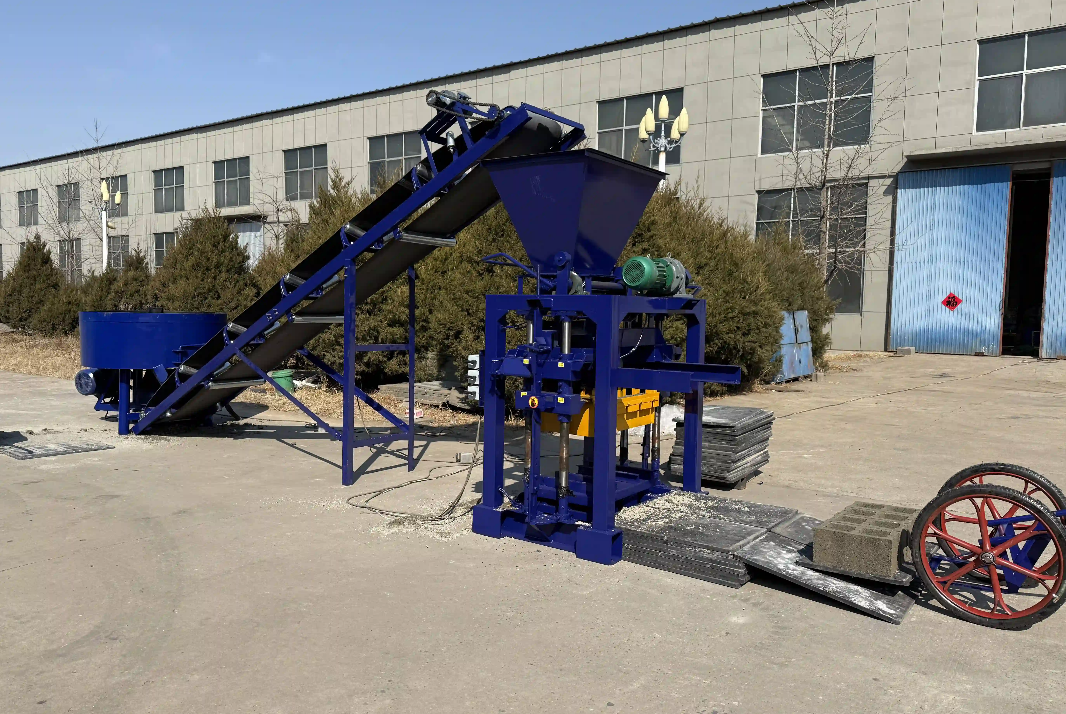
Automation Level and Operational Workflow about Automatic Concrete Block Making Machine
How Human Intervention Affects Cycle Continuity and Consistency
People who run automatic concrete block making machines have to move products from one station to another themselves, check how thick the material is getting, and start the compression process manually. These little pauses add up and can cut production down anywhere from 17% to 23% when compared with completely automated systems according to research published by German automakers back in 2023. And every time someone moves something by hand, there's always a chance of getting measurements wrong by more than half a millimeter. That kind of error might not seem like much but it actually makes load bearing blocks unstable according to safety standards set forth by the Federal Trade Commission way back in 2019.
Closed-Loop Control Systems in Automatic Concrete Block Making Machine vs Operator-Triggered Sequencing
Modern concrete block makers that run fully automatic rely on built-in PLC controls along with sensors that keep track of things like vibration levels, moisture inside the mix, and how aligned the molds are during production. These machines have what's called a closed loop system which means they can tweak settings while the machine is actually running, keeping dimensions spot on within about 0.1 millimeter difference. The older semi automatic versions work differently though. Operators have to look at everything themselves before starting the compaction process. This manual check introduces delays and inconsistencies, leading to around 12 percent variation in cycle times between batches. Automatic systems typically hit about 98.7 percent consistency when it comes to block density, which makes them much better suited for meeting those strict ASTM C90 requirements that many construction projects demand these days.
Production Capacity and Output Efficiency
The core distinction in production capacity centers on throughput optimization: higher automation enables significantly greater output volumes per shift without proportional increases in labor or downtime.
Blocks Per Hour: From 800 (Semi-Auto) to 2,500+ (Automatic)
Automatic concrete block makers can churn out over 2,500 blocks every hour when everything works right. They do this because they handle materials on their own, have smart compaction controls that adjust automatically, and keep moving pallets through continuously. Semi automatic versions are much slower though, usually hitting around 800 blocks per hour max. Why? Well, someone has to fill those molds manually, operators need to time vibrations just right, and then there's all that physical work removing finished blocks from the machine. These six big problems equipment breakdowns, setup time between batches, slowed down production speeds, plus quality issues really hurt semi automatic lines. In actual factories, these issues cut into productivity so bad that many plants only get about 70% of what their machines should theoretically be able to produce according to specs.
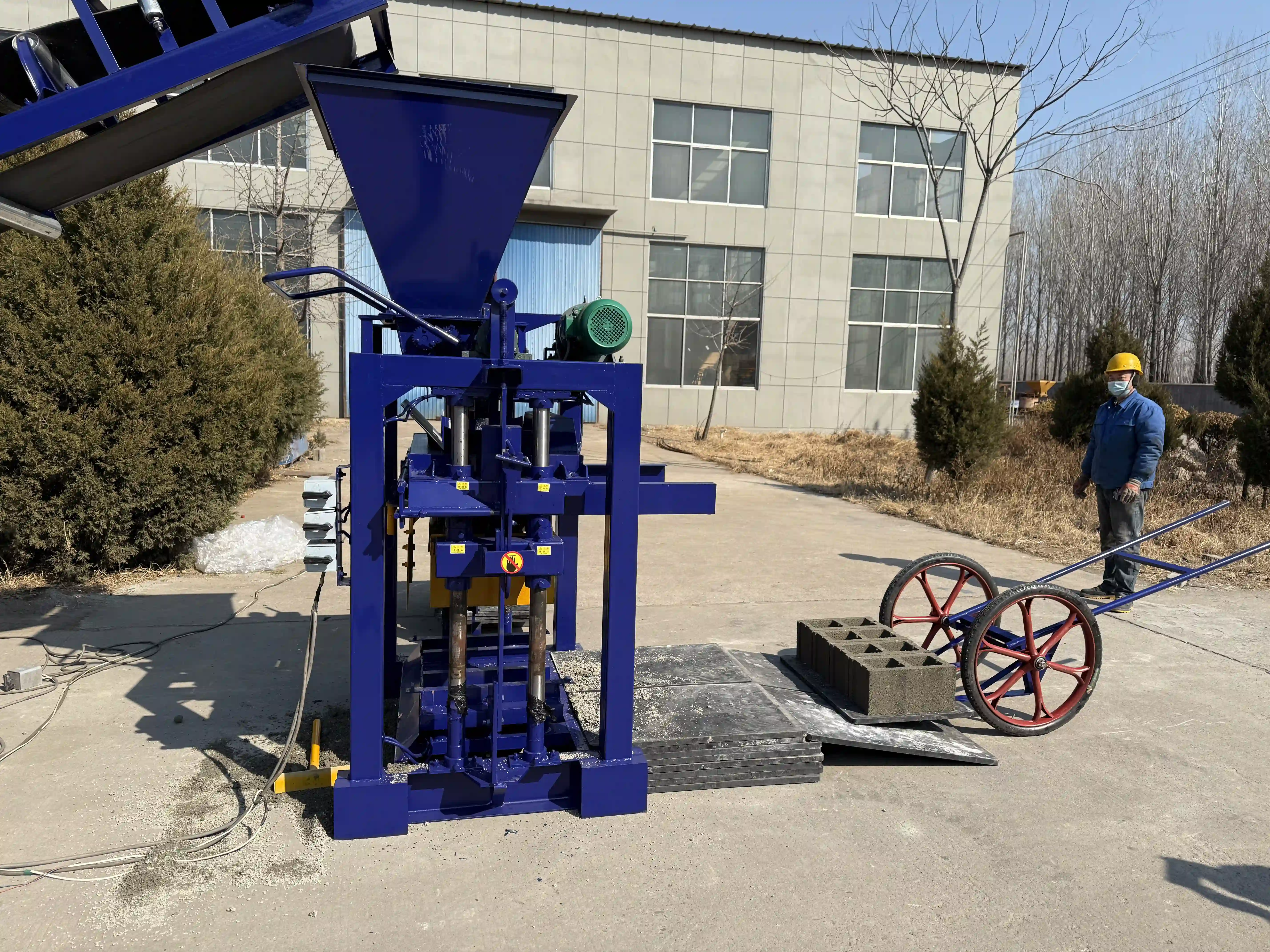
Avoiding Over-Capitalization: Aligning Throughput with Project Pipeline Volume
Choosing equipment involves finding the sweet spot between what's needed at peak times versus what gets used most of the time. Automatic machines definitely move more stuff through faster, but they come with big price tags that only make sense if there's constant heavy work coming in. Smaller contractors dealing with unpredictable jobs often find semi-automatic options work better for them since these systems don't break the bank upfront and can handle different types of workloads. Before making any decisions, look closely at how many projects typically come through each year, when business tends to slow down or speed up seasonally, and whether enough skilled workers will be available. Machines running below about 65% of their maximum capacity usually take forever to pay back the initial expense. On the flip side, if something regularly operates above 85%, that might mean the business didn't invest enough in bigger equipment from the start.
Labor, Skills, and Operational Staffing Requirements
Automation reshapes labor requirements—not just reducing headcount, but transforming skill expectations across the operation.
Fewer Operators, Higher Technical Oversight: Shifting Skill Demands
Concrete block making machines that run automatically usually need just one or two techs per shift compared to three to five workers needed for the semi-automatic versions. That means about 60 to 80 percent fewer hands-on staff required. Labor costs go down, but what goes up is the skill level needed from those remaining staff members. Techs now have to get their heads around things like PLC programming, figuring out why sensors aren't working right, and making sense of all that data coming in real time. According to some research done last year, around seven out of ten manufacturers are having trouble finding people who know both mechanical stuff and digital systems. Training takes longer too, maybe an extra fifteen percent of time. Semi-auto machines still depend heavily on human input for tasks like filling molds manually, while fully automatic ones demand someone who knows how to keep them running smoothly through predictive maintenance techniques. Companies looking at workforce planning would do well to focus more on hiring techs who can handle multiple roles instead of just stacking up manual laborers. The payoff? Productivity jumps upwards of forty percent in places where they're producing blocks in large volumes day after day.
Total Cost of Ownership: Capex, Maintenance, and ROI
Total cost of ownership (TCO) extends beyond initial purchase price to include energy use, maintenance, repairs, material waste, and long-term operational efficiency.
Upfront Investment Gap and Accelerated Payback in High-Utilization Settings
Automatic concrete block making machines carry a 45–60% higher upfront Capex than semi-automatic models. Yet this gap narrows significantly in high-utilization environments—particularly multi-shift operations—where labor, energy, and waste savings compound rapidly:
| Cost Factor | Semi-Automatic | Automatic |
|---|---|---|
| Labor (5-year estimate) | $340k | $120k |
| Energy consumption | 18% higher | Optimized via PLCs |
| Material waste | 7–9% | 3–4% |
| ROI threshold | 500 blocks/hour | 1,800+ blocks/hour |
Labor efficiencies drive the largest TCO advantage: automatic systems cut staffing needs by 60–70%, while predictive maintenance algorithms reduce unplanned downtime by up to 40%. In projects exceeding 100,000 blocks monthly, automatic machines achieve payback in 18–24 months—versus 36+ months for semi-automatic alternatives.
Strategic Fit by Business Scale and Growth Stage
Selecting the right concrete block production equipment requires matching automation level to your business's scale, growth trajectory, and operational maturity—avoiding both costly under-capacity and inefficient over-investment.
For startups and smaller operations, semi automatic machines make sense because they cut down initial costs, simplify processes, and produce around 800 to 1,200 blocks per hour. These numbers work great for testing products in new markets and handling smaller customer orders. When businesses start growing fast and facing higher demands plus tighter staffing situations, it's time to move up to fully automatic concrete block makers. These can crank out over 2,500 blocks each hour and take pressure off workers who would otherwise have to do everything by hand. Big companies that need consistent large scale production go all in on full automation. They want those closed loop systems that keep things running smoothly day after day, cut down on day to day expenses, and get their money back faster. Following this step by step approach helps companies spend their money wisely, expand when ready, and avoid wasting money on equipment that sits idle or strains limited resources.
FAQ
How do automatic machines enhance production efficiency compared to semi-automatic ones?
Automatic machines can produce over 2,500 blocks per hour as opposed to the 800 blocks per hour from semi-automatic machines, thanks to their ability to handle continuous material processing and smart compaction control.
What are the labor requirements for operating each type?
Semi-automatic machines typically require three to five operators per shift, while automatic machines need significantly fewer operators, requiring just one or two highly skilled technicians.
Why is investing in fully automatic machines beneficial despite their higher initial cost?
Fully automatic machines offer a better return on investment in high-utilization scenarios by reducing labor costs by 60–70% and minimizing downtime through advanced maintenance features, ensuring payback within 18–24 months for large scale operations.
What is the main difference between semi-automatic and automatic concrete block making machines?
The main difference lies in the level of human involvement required. Semi-automatic machines necessitate manual intervention at various stages of the process, while automatic machines manage many of these tasks via PLC controls and sensors, leading to higher efficiency and consistency.
Table of Contents
- Automation Level and Operational Workflow about Automatic Concrete Block Making Machine
- Production Capacity and Output Efficiency
- Labor, Skills, and Operational Staffing Requirements
- Total Cost of Ownership: Capex, Maintenance, and ROI
- Strategic Fit by Business Scale and Growth Stage
-
FAQ
- How do automatic machines enhance production efficiency compared to semi-automatic ones?
- What are the labor requirements for operating each type?
- Why is investing in fully automatic machines beneficial despite their higher initial cost?
- What is the main difference between semi-automatic and automatic concrete block making machines?