
 EN
EN
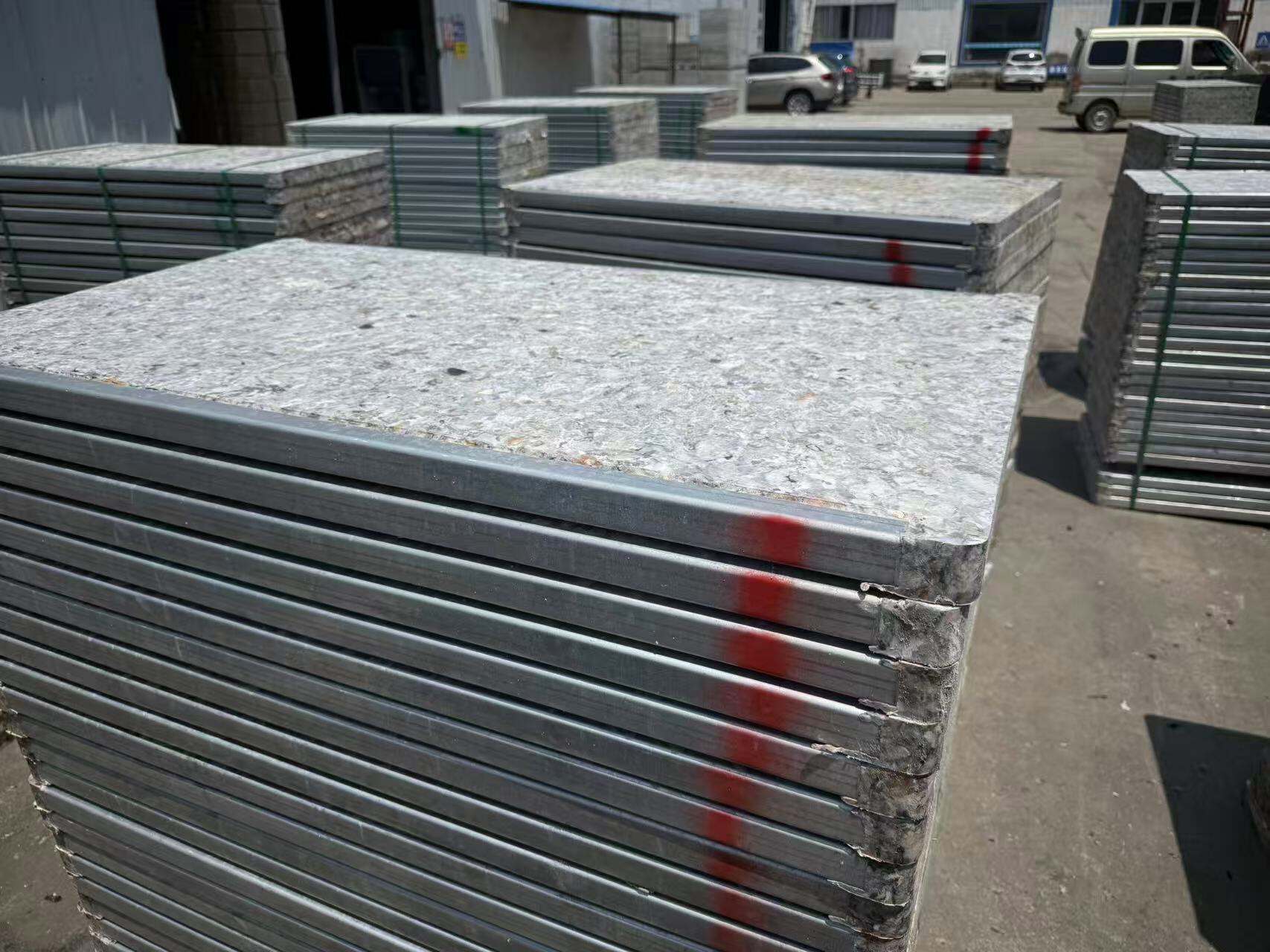
Understanding Brick Pallet Requirements: Weight, Stack Height, and Handling Constraints
Selecting the correct brick pallet begins with a clear understanding of the load it must carry. A standard pallet of bricks typically weighs between 2,000 and 3,500 pounds—well above the capacity of many general-purpose pallets. The chosen pallet must therefore have a manufacturer-specified safe working load that accounts for both total weight and the concentrated pressure exerted by stacked bricks. Stack height adds another critical constraint: brick pallets are commonly stacked two or three high in storage to maximize warehouse space. Each tier transfers its full load downward, meaning the bottom pallet must support the cumulative weight of all tiers above. Handling methods further influence requirements—forklifts and pallet jacks introduce dynamic forces during lifting, travel, and turning. Glass fiber pallets meet these demands through their high strength-to-weight ratio and dimensional stability, resisting cracking or deformation under operational stress. Poorly sized pallets compromise stability, increasing the risk of damaged bricks or workplace incidents. Proper planning around weight limits, stack height allowances, and handling dynamics ensures safe, efficient brick pallet selection.
Glass Fiber Pallet Dimensions: Balancing Standard Sizes with Brick-Specific Customization
Common ISO and GMA-Compatible Sizes vs. Brick Load Optimization
Standard pallet sizes—including 48×40 inches (GMA) and 1200×1000mm (ISO)—are widely adopted for logistics compatibility with automated systems, racking, and shipping containers. Yet brick manufacturers often face inefficiencies when applying these generic dimensions. Standard bricks (e.g., 400×200×200mm) frequently produce suboptimal stacking patterns on conventional pallets, resulting in overhanging loads, instability during transit, or underutilized storage space. Optimizing pallet dimensions to align precisely with brick geometry mitigates these issues. For instance, a 1200×800mm glass fiber pallet can improve stacking efficiency and reduce load shifts by up to 40% compared to standard ISO sizes—while also boosting trailer space utilization and lowering transport costs by as much as 15%.
When Custom Dimensions Are Necessary for Brick Pallet Stability and Efficiency
Custom pallet sizing becomes essential when standard options undermine safety, throughput, or product integrity. Key scenarios include:
- Automated production lines requiring exact pallet-to-conveyor alignment
- High-density stacking configurations exceeding standard pallet footprints
- Specialized brick shapes—such as interlocking blocks—that demand precise deck support
Custom glass fiber pallets eliminate overhang-related collapse risks and ensure even weight distribution across structural stress points—critical for bricks’ concentrated mass. One brick manufacturer reduced product damage by 30% after switching to pallets engineered to match their brick machine’s output specifications. Though custom designs carry a 10–20% cost premium, long-term value is realized through lower product loss, optimized storage density, and extended equipment life. Crucially, glass fiber’s dimensional stability maintains precision across thousands of handling cycles—unlike wood, which warps and shrinks over time.
Load Capacity and Structural Integrity: Ensuring Safe Brick Pallet Transport
Static vs. Dynamic Load Ratings in Glass Fiber Brick Pallets
Glass fiber pallets must reliably withstand both static loads (stationary weight) and dynamic loads (forces encountered during movement). Static load capacity—the maximum weight supported while stationary—is vital during brick curing and warehouse storage. Industry testing confirms that high-performance glass fiber pallets sustain static loads up to 12,000 kg without measurable deformation, supported by an elastic modulus of 22–26 GPa. Dynamic load ratings reflect resilience during real-world handling: forklift maneuvers, rail vibration, and multi-tier stacking all impose transient stresses that can fatigue lesser materials. Unlike wood or conventional plastics, glass fiber retains structural integrity across repeated dynamic events—maintaining performance without degradation.
| Load Type | Impact Scenario | Performance Requirement |
|---|---|---|
| Static | Curing/storage periods | Minimal deformation under max weight |
| Dynamic | Forklift transportation | Vibration resistance and impact absorption |
Avoiding Failure: How Undersized Bases Compromise Brick Pallet Performance
Undersized glass fiber pallets pose serious operational and safety risks. When pallet dimensions fail to match brick stack geometry, point-load stress concentrates at weak zones instead of distributing evenly across the deck. This localized stress can exceed the material’s bending strength threshold of 51 MPa—leading to cracks, warping, or catastrophic failure. In humid environments, undersized bases also accelerate moisture absorption (glass fiber absorbs <0.5% by weight under full immersion), further diminishing load-bearing capacity. Correctly sized pallets prevent load shifting during transit and preserve brick layer integrity from production floor to delivery site.
Long-Term Value: Lifecycle Cost Impacts of Glass Fiber Pallet Sizing Decisions
Pallet sizing decisions directly shape long-term economic and environmental performance. A properly sized glass fiber pallet maximizes load-bearing efficiency and service life—delivering measurable ROI beyond initial procurement. According to a peer-reviewed 2023 lifecycle assessment, glass fiber brick pallets generate 42% less global warming potential than PVC alternatives, consume 51% less water, and reduce fossil resource scarcity by 60%. Financially, they last 3.2 times longer than conventional plastic brick pallets—cutting replacement frequency by 76% and significantly lowering maintenance, labor, and downtime costs. In contrast, undersized pallets accelerate wear, increase inspection frequency, and erode these lifecycle advantages. Therefore, sizing must be evaluated not only against immediate load requirements but as a strategic component of total cost of ownership—where glass fiber consistently outperforms traditional materials in high-volume brick manufacturing.
FAQ
Q: How much does a standard pallet of bricks weigh?
A: A standard pallet of bricks typically weighs between 2,000 and 3,500 pounds.
Q: Why is stack height an important consideration?
A: Stack height determines the cumulative weight load on the bottom pallet. Proper planning ensures that the pallet can support the weight of all the tiers stacked above it.
Q: What are standard pallet dimensions for bricks?
A: Common dimensions include 48×40 inches (GMA) and 1200×1000mm (ISO). Custom sizes, like 1200×800mm, can be used for better brick load optimization.
Q: When should custom pallet dimensions be considered?
A: Custom dimensions are needed when standard pallets compromise product safety, throughput, or stability—especially for specialized brick shapes.
Q: What is the difference between static and dynamic load capacity?
A: Static load is the stationary weight capacity, while dynamic load measures resilience during movement like forklift transportation.
Q: How does glass fiber outperform other materials for brick pallets?
A: Glass fiber resists cracking, deformation, and moisture absorption while offering a longer lifecycle and superior load-bearing performance.
Table of Contents
- Understanding Brick Pallet Requirements: Weight, Stack Height, and Handling Constraints
- Glass Fiber Pallet Dimensions: Balancing Standard Sizes with Brick-Specific Customization
- Load Capacity and Structural Integrity: Ensuring Safe Brick Pallet Transport
- Long-Term Value: Lifecycle Cost Impacts of Glass Fiber Pallet Sizing Decisions
- FAQ