
 EN


Where a Semi Automatic Machine Fits in a Growing Block Business
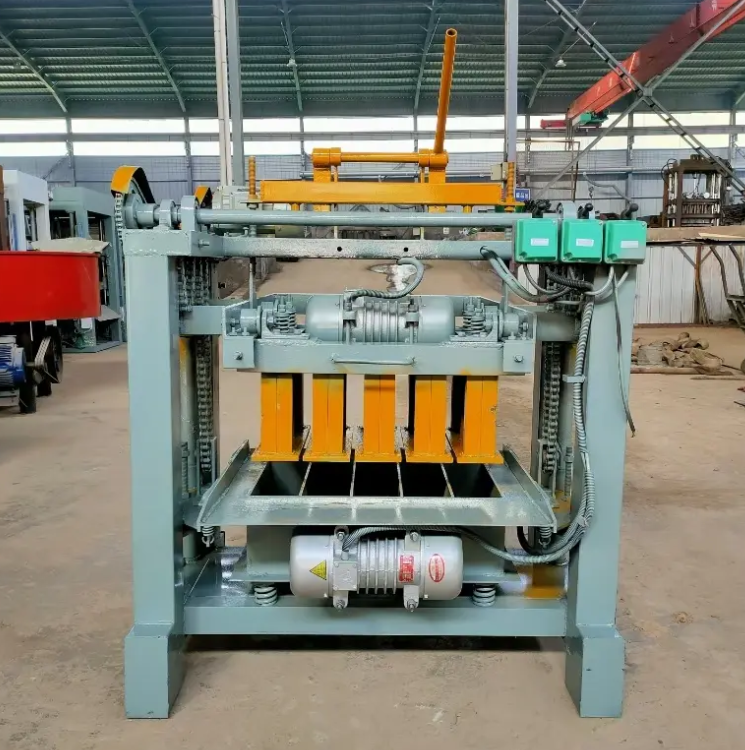
A semi automatic brick making machine sits in an interesting spot. It is more capable than a manual press, yet it does not carry the price tag or the complexity of a fully automated line. For a small yard that is outgrowing hand tamping, or a mid-sized producer that wants steadier output without a full control room, this category can make sense. The machine still relies on people for several steps, but the compaction and molding are handled mechanically. That split between manual work and machine work is the defining trait.
The question is not whether a semi automatic machine is good or bad. It is whether the business can feed it, staff it, and sell what it makes. A machine that runs well in one yard can become a bottleneck in another if the product mix or labor situation does not match.
How the Production Cycle Actually Works
On a semi automatic block machine, the operator typically handles material feeding, pallet placement, and removing finished blocks. The machine takes over the vibration, compaction, and mold release. Depending on the design, the pallet may need to be positioned by hand or by a simple mechanical device.
That human element shapes everything. Output depends on how fast the crew can move pallets and how consistently they load the mold. A tired operator at the end of a shift can cause more variation than a worn mold. This is why training and workflow matter as much as the machine itself. The equipment is reliable, but the process around it needs discipline.
The Cost and Labor Equation Buyers Often Miss
The purchase price is only one number. Labor, maintenance, pallet supply, and curing space all shape the real cost per block. A semi automatic line usually needs four to eight people per shift, depending on the level of mechanization. A fully automatic line may need one to three, but it costs more upfront and demands more technical support.
| Factor | Semi Automatic | Fully Automatic | Mobile |
|---|---|---|---|
| Initial investment | Moderate | High | Lower |
| Labor per shift | 4 to 8 operators | 1 to 3 operators | 2 to 4 operators |
| Output range | Moderate | High | Low to moderate |
| Product changeover | Flexible | Setup intensive | Limited |
| Maintenance complexity | Simple | Complex | Simple |
| Best fit | Small to mid yard | Large plant | On site work |
The table is not a ranking. It is a map of trade-offs. A yard with cheap labor and limited capital may find a semi automatic machine more practical than a fully automatic one. A plant chasing high volume with stable power and skilled technicians may lean the other way.
A Realistic Look at Daily Output and Product Mix
Semi automatic machines can produce a range of concrete blocks, including hollow blocks, solid blocks, and pavers, provided the mold and mix are set up correctly. Changeover from one product to another is usually simpler than on a fully automatic line, which makes this category useful for yards that serve several local markets.
The catch is that output is tied to the crew. If the curing area is small or the pallet supply is short, the machine will sit idle. ASTM C90 sets minimum compressive strength requirements for loadbearing concrete masonry units, and that standard is a useful reference when matching machine capability to market demand. A block that fails the standard cannot be sold as loadbearing, no matter how fast the machine runs.
A Case from a Family Run Block Yard
A family run block yard in East Africa bought a semi automatic brick making machine to replace hand tamping. The yard made hollow blocks and solid bricks for local builders. Power was unstable, so a fully automatic line was ruled out. The semi automatic unit could run on a generator during outages without losing the whole day.
The first month was rough. Mold changes took longer than expected, and the crew had not settled into a smooth rhythm. A simple checklist for pallet inspection and mix consistency helped more than any machine adjustment. By the third month, output had steadied, and reject rates had dropped. The yard still relied on manual curing and transport, which limited daily volume. The machine did not transform the business overnight. It gave the owners a more consistent product and a platform to grow.
That story captures the honest value of a semi automatic setup. It reduces fatigue and improves consistency, but it does not remove the need for planning, labor, and decent raw materials.
Choosing the Right Machine and Supplier
The right machine depends on the mold sizes needed, the power supply, the available labor, and the curing setup. Buyers should ask for a clear production workflow, not just a machine specification sheet. A supplier that understands both the machine and the block yard will help avoid mismatches.
YAODA has been building block making equipment since 1999 from a 16,000 square meter facility in southeastern Shandong. The company employs over 300 people, including 60 technical experts, and offers fully automatic, semi automatic, and mobile machines, along with fiberglass pallets and concrete mixers. Its "Yaoda" brand meets national standards and reaches markets across Africa, the Middle East, Central Asia, Southeast Asia, Australia, and the Americas. For a business weighing the semi automatic route, that kind of integrated manufacturing experience can make the decision less of a gamble.