
 EN


The Real Difference Between Semi Automatic and Automatic Lines
The choice between a semi automatic brick making machine and a fully automatic line is often framed as a simple step up in technology. That framing misses the point. The real difference is where human judgment sits in the production cycle. On a semi automatic machine, people still feed pallets, control mix delivery, and manage the rhythm. On an automatic line, those tasks are handled by conveyors, sensors, and PLC logic. Neither approach is inherently better. Each shifts the burden from labor to capital, and from operator skill to maintenance skill.
A yard with cheap labor and unstable power may struggle with a fully automatic line. A plant with steady electricity and a skilled maintenance team may find that automation pays off. The decision should start with site conditions, not with a brochure.
What Changes on the Production Floor
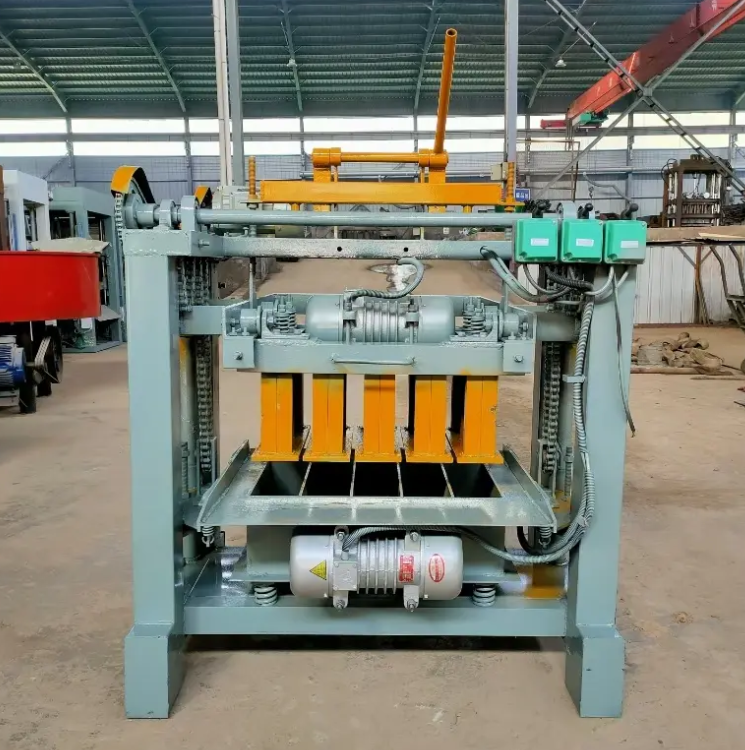
Walking through a semi automatic setup, the pace is visible. Operators move pallets, watch the mold, and adjust the feed by hand. The machine does the heavy compaction and vibration, but the crew sets the tempo. That tempo can drift when shifts change or when a new product is introduced.
On a fully automatic line, the tempo is set by the control system. Blocks move from mixer to mold to curing area with minimal touching. The trade-off is sensitivity. A sensor fault, a misaligned pallet, or a drop in air pressure can stop the cycle. Automatic lines reward stable inputs and punish variation. Semi automatic lines absorb more variation, but they depend on disciplined crews.
Cost, Labor, and Throughput Compared
The table below uses typical ranges from equipment suppliers and field reports. Actual numbers vary with mold size, mix design, and curing practice.
| Factor | Semi Automatic | Fully Automatic |
|---|---|---|
| Initial investment | Lower | Higher |
| Operators per shift | 4 to 8 | 1 to 3 |
| Output range | Moderate | High |
| Product changeover | Faster | Setup intensive |
| Power quality | More tolerant | Sensitive |
| Maintenance skill | Basic mechanical | PLC and sensor |
| Space requirement | Smaller | Larger |
| Best fit | Small to mid yard | High volume plant |
The labor savings on a fully automatic line are real, but they come with new costs. Technicians need training. Spare parts inventories grow. Power conditioning equipment may be required. A semi automatic machine often costs less to keep running in places where technical support is thin.
A Case from a Yard That Made the Jump
A producer in South Asia started with a semi automatic brick making machine and later added a fully automatic line. The semi automatic unit had been running for two years, producing hollow blocks and pavers for local buyers. The owners wanted higher volume for a new contract.
The automatic line performed well in dry weather. During the monsoon, voltage fluctuations caused frequent stops. A voltage stabilizer helped, but the line still needed more attention than expected. The semi automatic machine kept running through the same storms, producing smaller batches for customers who needed quick deliveries. The lesson was not that automation failed. The lesson was that the two systems served different roles. The automatic line handled bulk orders. The semi automatic unit handled flexibility and backup.
That plant now runs both. The owners treat the semi automatic machine as a strategic asset, not a stepping stone to be discarded.
Matching Automation Level to Site Conditions
Before choosing, it helps to check a few practical points.
Power quality. Automatic lines need stable voltage and clean air. Generators and stabilizers add cost.
Labor supply. Semi automatic machines need more hands, but those hands can be trained on site.
Maintenance skills. PLC troubleshooting is different from replacing a bearing.
Space. Automatic lines need room for conveyors, stackers, and curing racks.
Product mix. Frequent changeovers favor semi automatic setups.
ASTM C90 sets a minimum net compressive strength of 2,000 psi for loadbearing concrete masonry units. That standard matters because no machine, automatic or semi automatic, can compensate for a weak mix or poor curing. The machine shapes the block. The mix and curing determine whether it meets the spec.
Supplier Support and Long Term Fit
The right automation level is the one that matches the site, the crew, and the market. A supplier that builds both types of machines can offer a grounded view of the trade-offs. YAODA has manufactured block making equipment since 1999 from a 16,000 square meter facility in southeastern Shandong. The company employs over 300 people, including 60 technical experts, and exports to Africa, the Middle East, Central Asia, Southeast Asia, Australia, and the Americas. Its "Yaoda" brand meets national standards, and the manufacturing operation includes precision machining and testing systems. For a producer weighing semi automatic against fully automatic, that kind of integrated experience helps keep the decision practical.