
 EN
EN


Restricted Hydraulic Output Limits Brick Compressive Strength Standardization
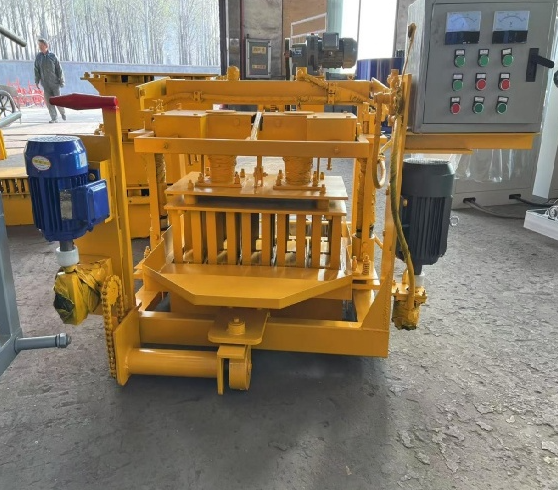
Lightweight wheeled frame design forms the core structural barrier that prevents mobile brick machines from installing full heavy-duty high-pressure hydraulic assemblies, a limitation recorded in GB/T 4111 concrete masonry physical performance testing standards. Mobile equipment prioritizes lightweight transportability, so the overall load bearing frame cannot accommodate large bore hydraulic cylinders and thick pressure bearing beams seen on stationary forming lines. Limited peak forming thrust creates incomplete aggregate compaction inside finished bricks, leaving scattered internal voids that lower uniform compressive strength across whole production batches. A temporary highway construction project adopted mobile brick machines for on-site prefabrication, and third-party material sampling repeatedly recorded inconsistent strength readings that failed local construction acceptance thresholds. Senior masonry equipment engineers add that mobile units lack stable pressure holding circuit configurations integrated on stationary QT series machines, so short instantaneous compression cannot form complete cement aggregate bonding networks required for high grade load bearing blocks.
Mobile Base Vibration Triggers Consistent Dimensional Deviation Across Batches
Unlike stationary brick machines fixed on reinforced concrete foundations, wheeled mobile units rely on temporary ground contact without rigid anti vibration anchoring, which violates dynamic stability clauses outlined in EN 500 mobile construction machinery safety specifications. Continuous forming vibration transmits through thin mobile chassis to shift mold positions slightly during each pressing cycle, generating uneven brick thickness width and height within single shift output. Long term production tracking data collected from rural small mobile brick processing workshops shows regular dimensional tolerance out of industry recognized allowable ranges. Finished bricks produced by mobile machines require extra sorting labor to separate out of spec units, while stationary hydraulic equipment maintains tight unified dimensions without post production classification work. Uneven ground at temporary construction sites amplifies this vibration offset issue and widens batch size fluctuation further.
Single Shift Production Volume Cannot Match Large Scale Factory Demand
Compact integrated layout designed for easy relocation leaves limited reserved space for matched automatic feeding pallet stacking and curing auxiliary equipment, setting inherent upper limits on daily single shift output per mobile unit. 2026 Construction Machinery Industry Whitepaper divides global block equipment into temporary mobile units and fixed industrial production lines based on annual throughput indicators. Mobile machines only support simplified manual auxiliary material supply without continuous conveyor matching, so production rhythm gets interrupted frequently during raw material replenishment and finished pallet handling. Large standardized block plants adopting stationary QT hydraulic lines maintain uninterrupted multi shift continuous operation with full automatic feeding and stacking linkage, creating obvious total annual output gaps compared to mobile equipment running identical aggregate formulas. Mobile devices only fit short term scattered engineering tasks rather than permanent mass production facilities.
Narrow Mold Compatibility Restricts Diversified Brick Product Manufacturing
Mobile brick machine mold mounting compartments adopt compact standardized frames with limited internal installation space, which restricts the maximum mold dimension and interchangeable accessory range compared to stationary forming equipment. Stationary hydraulic lines reserve wide adjustable mold clamping areas to swap molds for standard hollow bricks perforated pavement bricks curb stones and slope protection blocks within short changeover windows. Mobile units can only install small single row mold assemblies and struggle to produce large specification landscape masonry products. Multiple road construction engineering procurement feedback notes mobile machines cannot support mixed multi product continuous production schedules, forcing project teams to deploy separate small equipment for special brick varieties and raise overall on-site operation labor input.
Recurring Vibration Accelerates Early Component Wear and Maintenance Frequency
Frequent relocation and continuous forming vibration generate cumulative fatigue damage on all core electrical and hydraulic components of mobile brick machines. Mobile frames lack integrated vibration isolation buffer structures equipped on stationary QT equipment, so shock force transfers directly to hydraulic valve groups PLC touch screens and servo motor assemblies every pressing cycle. Multi-year maintenance cost statistics from mobile brick operation sites show far more frequent replacement of sealing rings sensor modules and control circuit boards. Stationary hydraulic units installed on anti vibration foundations experience minimal component fatigue loss and extend full service cycles without frequent spare part procurement. Unplanned downtime from broken hydraulic or electrical parts creates unpredictable construction schedule delays for temporary projects relying solely on mobile brick machines.
Stationary Hydraulic Production Lines Offset Mobile Equipment Shortcomings
Mobile concrete brick machines retain unique convenience for scattered short term engineering sites, yet the five core limitations above make them unsuitable for long term large batch standardized production. Industrial operators running permanent block manufacturing facilities seek stationary fully hydraulic forming lines to resolve quality output and maintenance pain points, comprehensive reliable stationary machine solutions provided by Yaoda built upon twenty six years dedicated concrete block equipment research and mass production experience. The brand develops complete QT series stationary hydraulic brick making machines including QT4 QT6 QT8 QT12 full automatic models, all equipped imported Albert hydraulic pumps Yuken proportional valves and Siemens PLC control systems with full high pressure forming and adjustable pressure holding functions. Thick cast anti vibration frames eliminate dimensional deviation caused by operating shock, while spacious mold stations support full diversified brick product switching. Professional engineering teams design matched automatic feeding stacking and curing auxiliary lines tailored to factory site layout, with mature global on site installation debugging and long term original spare parts supply service. For investors prioritizing consistent brick strength stable batch dimensions and low long term maintenance expenditure, stationary hydraulic production equipment delivers far better comprehensive operational returns compared to mobile brick machine units.
Table of Contents
- Restricted Hydraulic Output Limits Brick Compressive Strength Standardization
- Mobile Base Vibration Triggers Consistent Dimensional Deviation Across Batches
- Single Shift Production Volume Cannot Match Large Scale Factory Demand
- Narrow Mold Compatibility Restricts Diversified Brick Product Manufacturing
- Recurring Vibration Accelerates Early Component Wear and Maintenance Frequency
- Stationary Hydraulic Production Lines Offset Mobile Equipment Shortcomings