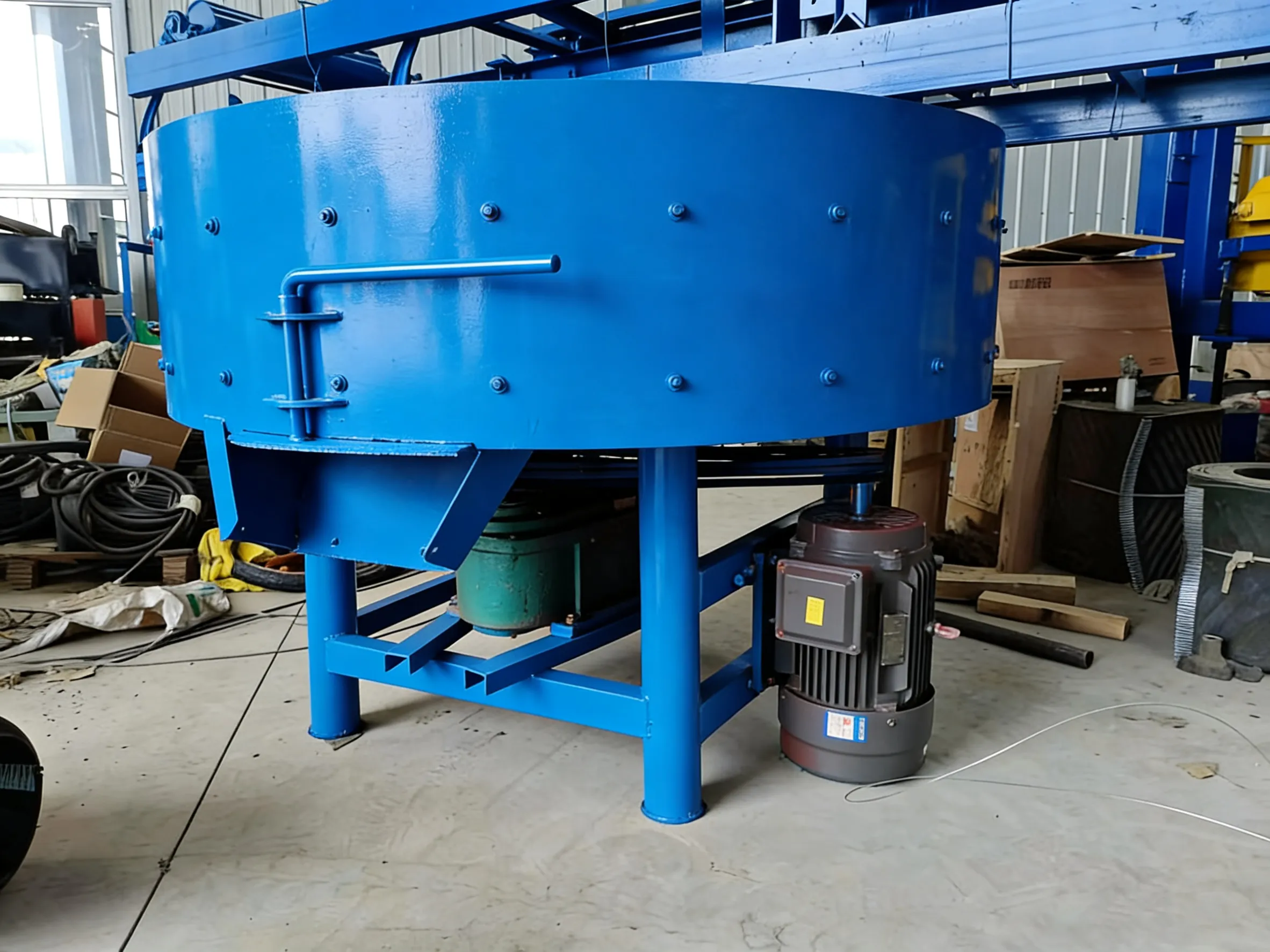
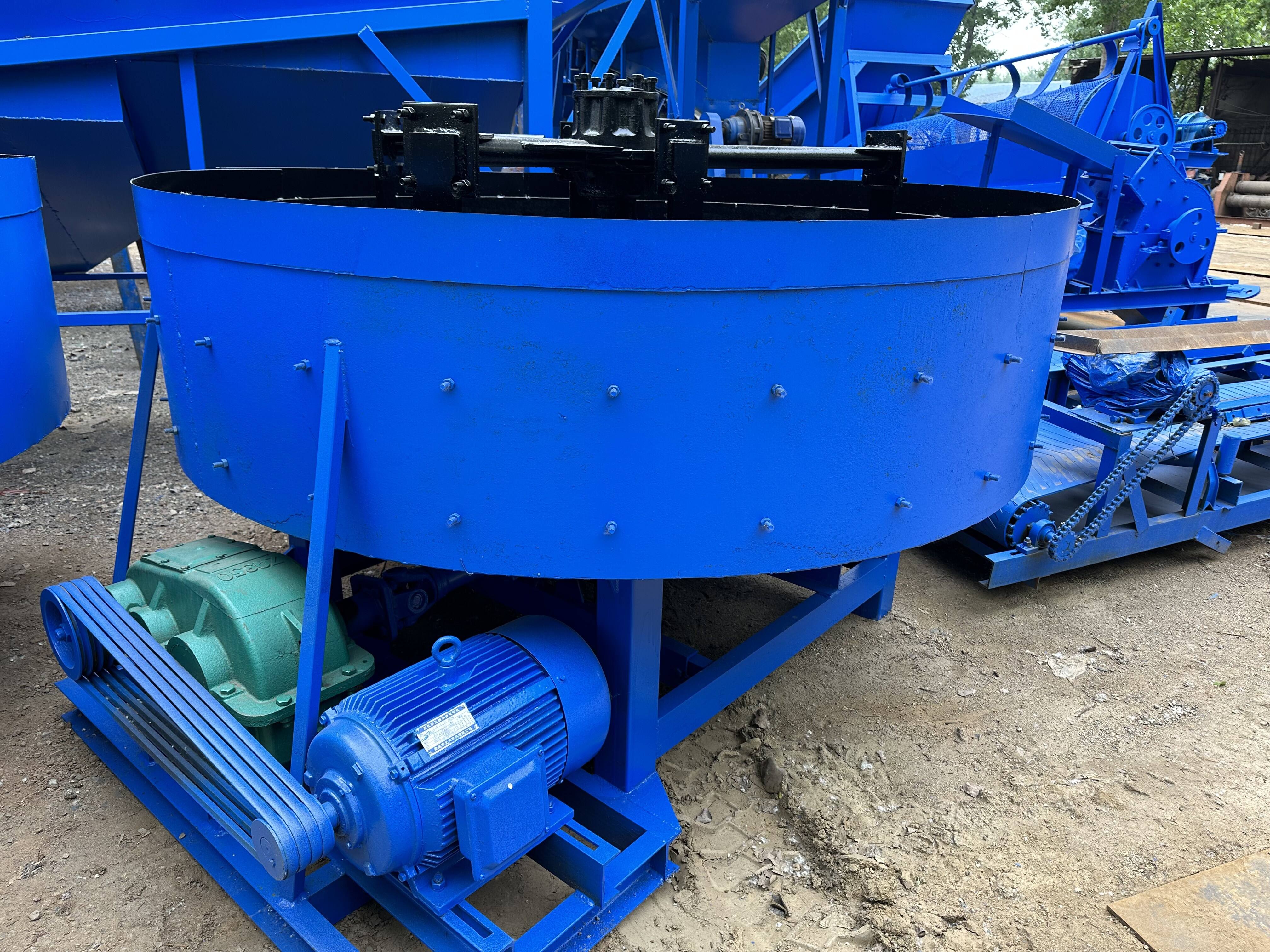
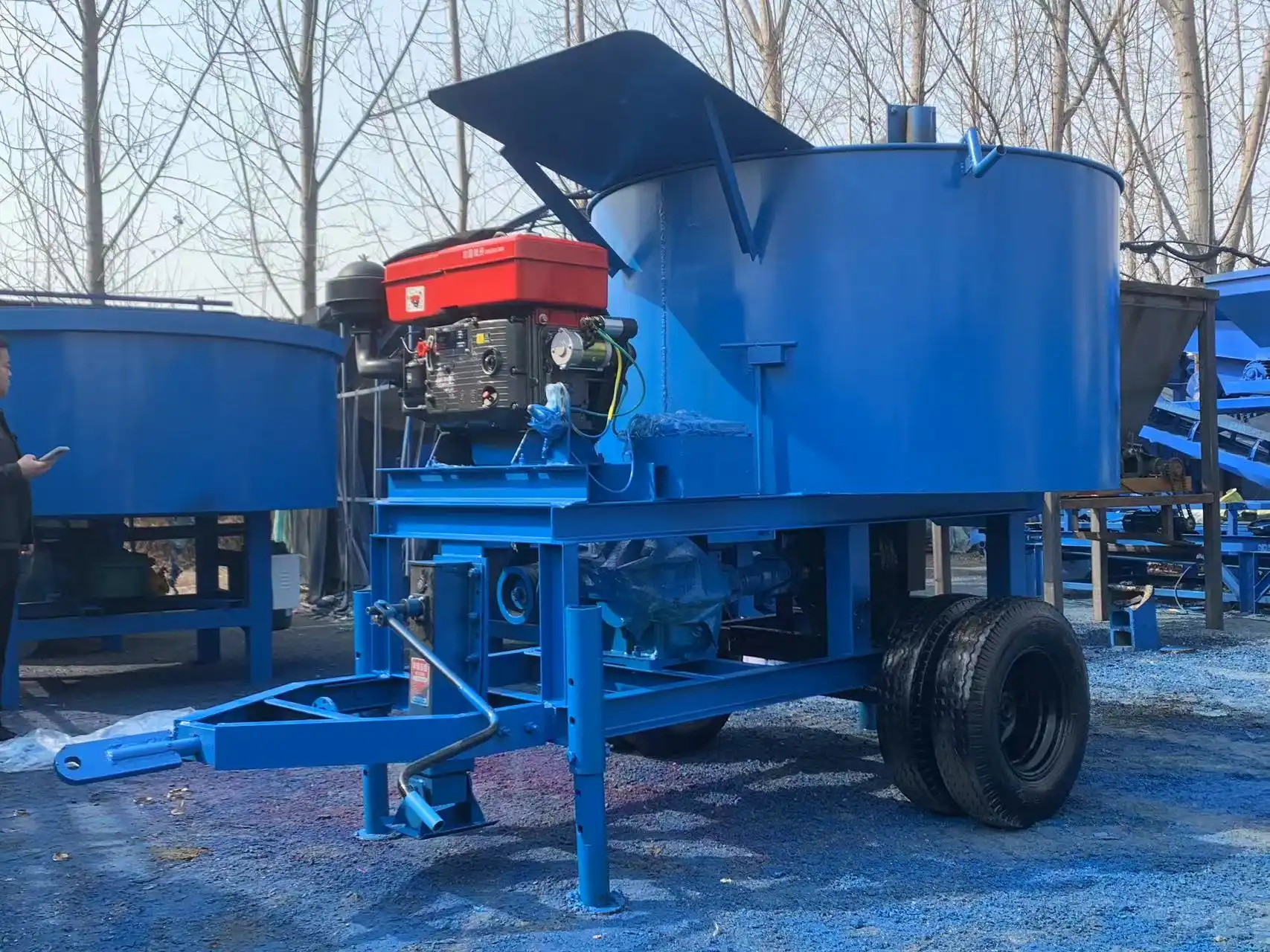
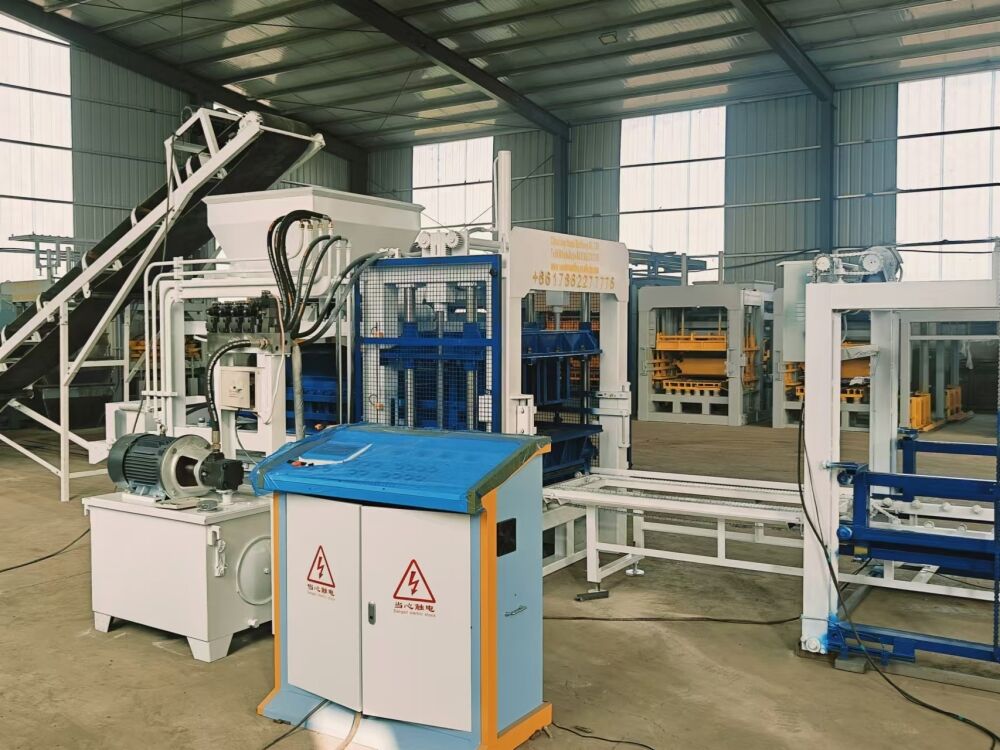
Construction Cement Mixer: Core Application Areas
The construction cement mixer is an indispensable workhorse on virtually every job site, with its primary application being the on-demand production of concrete and mortar for foundational work. This includes pouring footings, slabs, driveways, and setting posts. Its ability to blend cement, aggregate, and water into a consistent, homogenous mixture at the point of use makes it vital for projects of all scales, from DIY home improvements to large-scale commercial construction. The versatility of batch mixing allows crews to produce exactly what is needed, reducing waste and ensuring material freshness for critical structural elements.
Beyond basic foundations, these mixers are central to vertical construction phases. They are used to create mortar for bricklaying, blockwork, and plastering, ensuring a strong bond and uniform finish. Furthermore, they are essential for casting structural components such as steps, sidewalks, curbs, and small precast elements directly on-site. The mobility of portable drum mixers, in particular, allows for easy relocation around a site as work progresses from the ground floor upward, supporting a continuous workflow for floors, walls, and finishing trades.
The application of construction cement mixers extends to maintenance, repair, and specialized projects. They are crucial for infrastructure repair work on roads, bridges, and utilities, as well as for landscaping features like patios, garden paths, and retaining walls. Their utility is also proven in creating durable surfaces for agricultural settings, such as flooring in barns or sheds. From small repairs to dedicated specialty mixes, the construction cement mixer remains a fundamental tool for ensuring material quality, cost control, and project flexibility across the entire built environment.

 EN