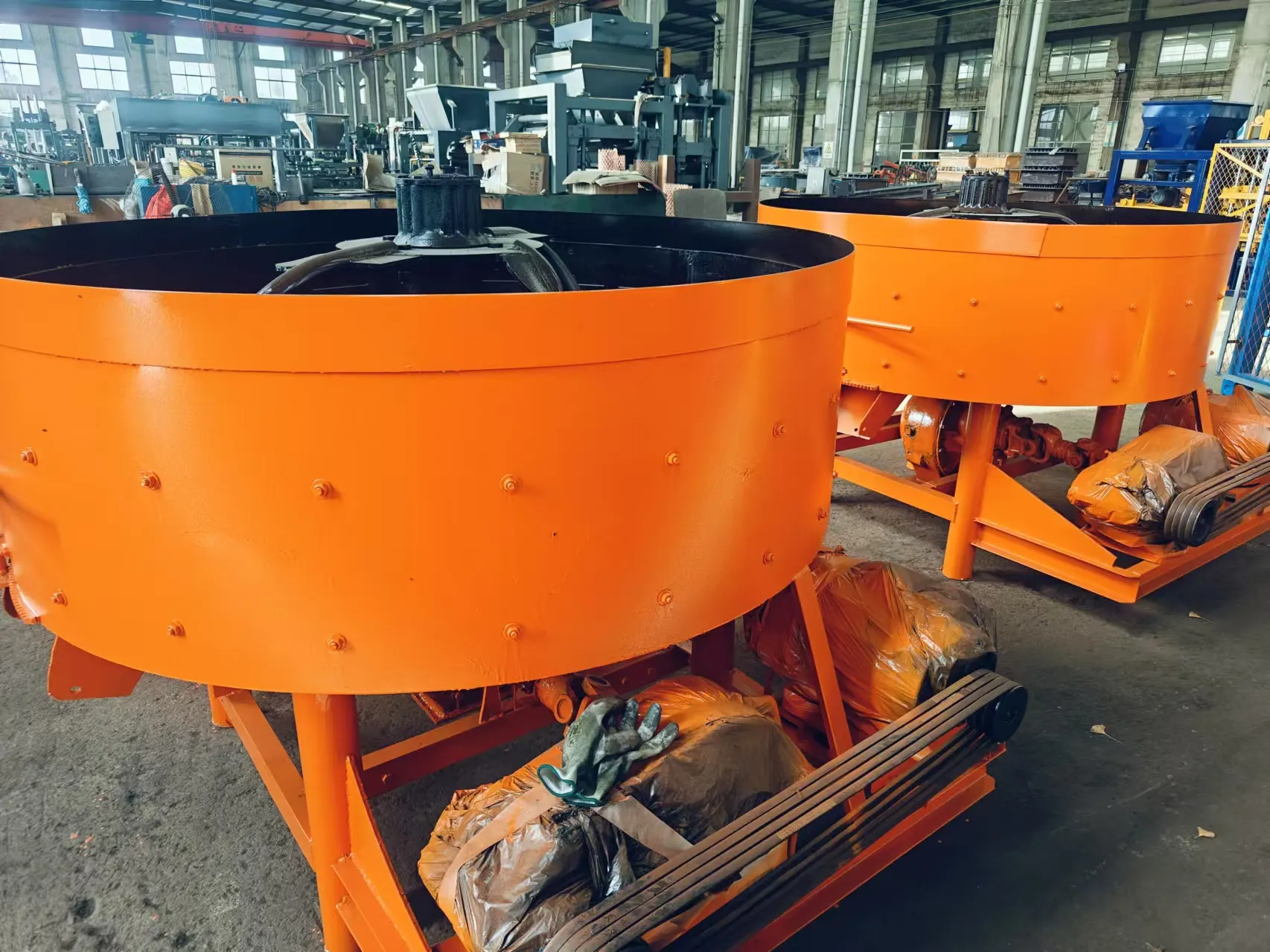
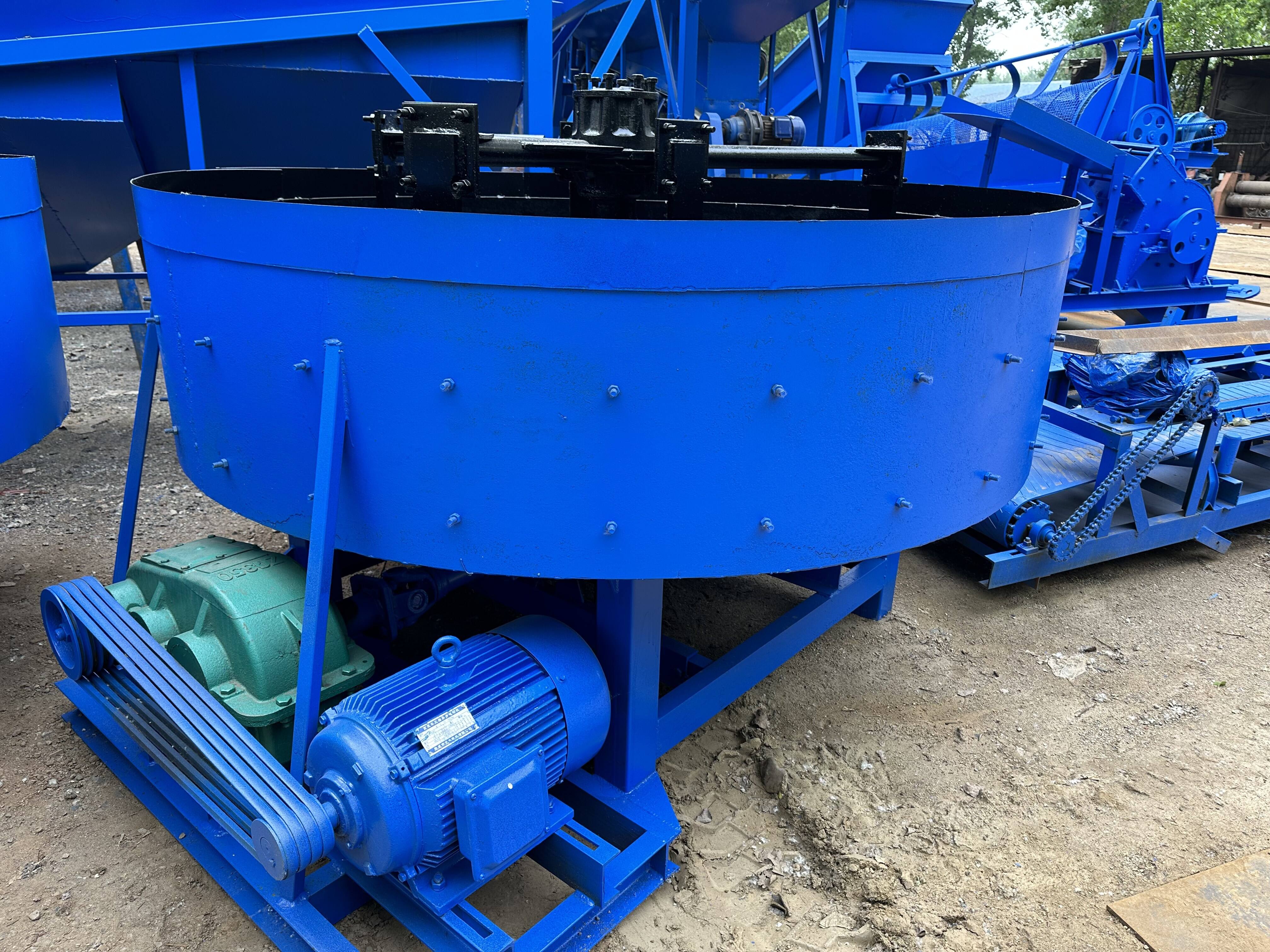
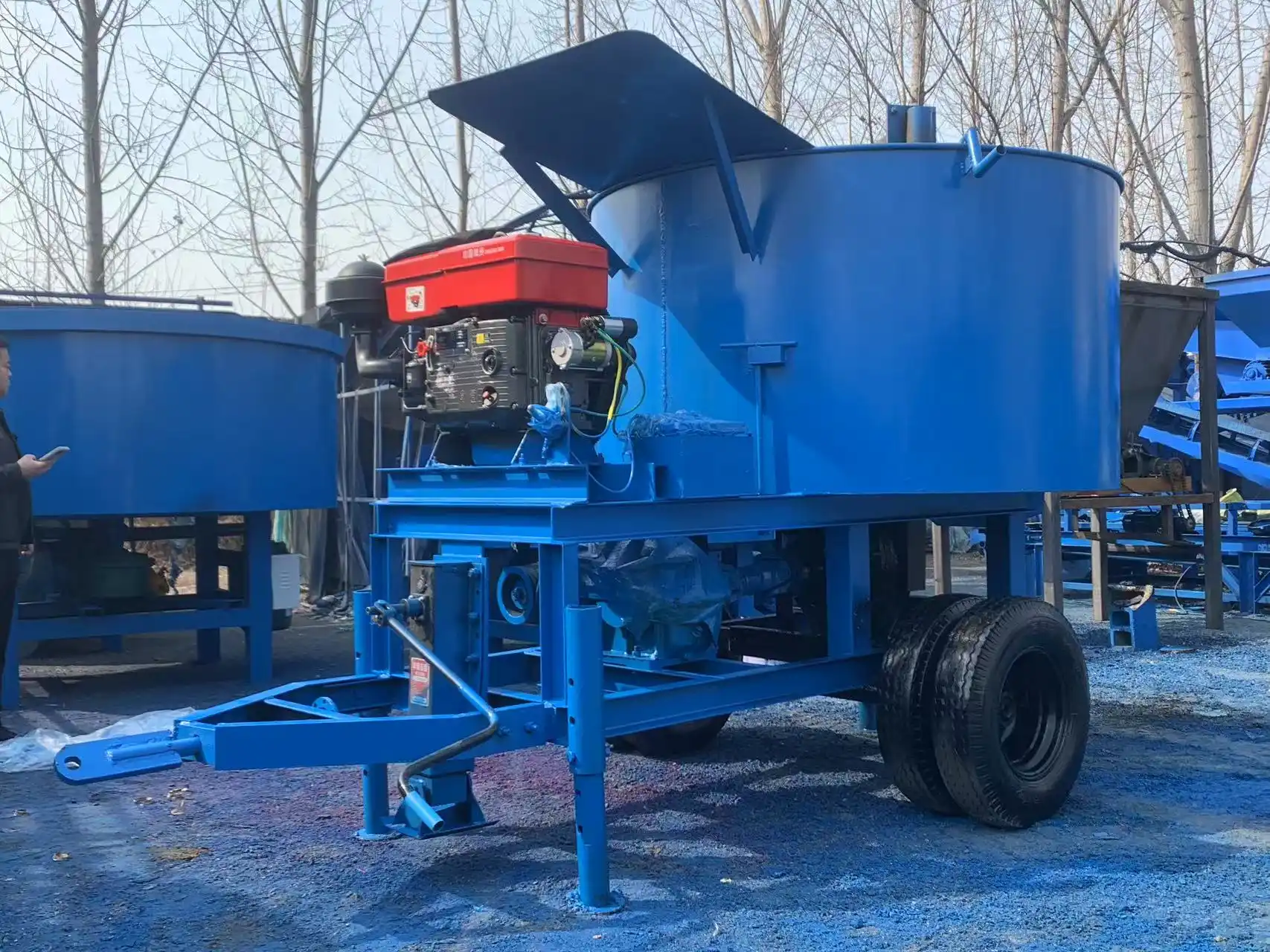
The primary and most expansive application for large concrete mixers lies in commercial and residential megaprojects. These high-capacity machines are indispensable for efficiently delivering the vast volumes of uniform concrete required for high-rise buildings, expansive housing developments, and large-scale industrial facilities. By enabling continuous, on-site production, they eliminate dependency on multiple transit mixers, ensuring consistent quality, reducing material waste, and significantly accelerating project timelines. This makes them the backbone of modern urban and suburban construction, where scale and speed are critical.
Beyond traditional building, large mixers are fundamental to critical infrastructure development. They are essential for constructing robust foundations for bridges, dams, highways, and airport runways—projects that demand massive, uninterrupted concrete pours with specific strength and durability specifications. Their capacity to handle various mix designs, including those with fibers or special additives, allows engineers to meet the stringent demands of civil engineering. This capability directly supports the development and maintenance of the public works that form the skeleton of economic growth and connectivity.
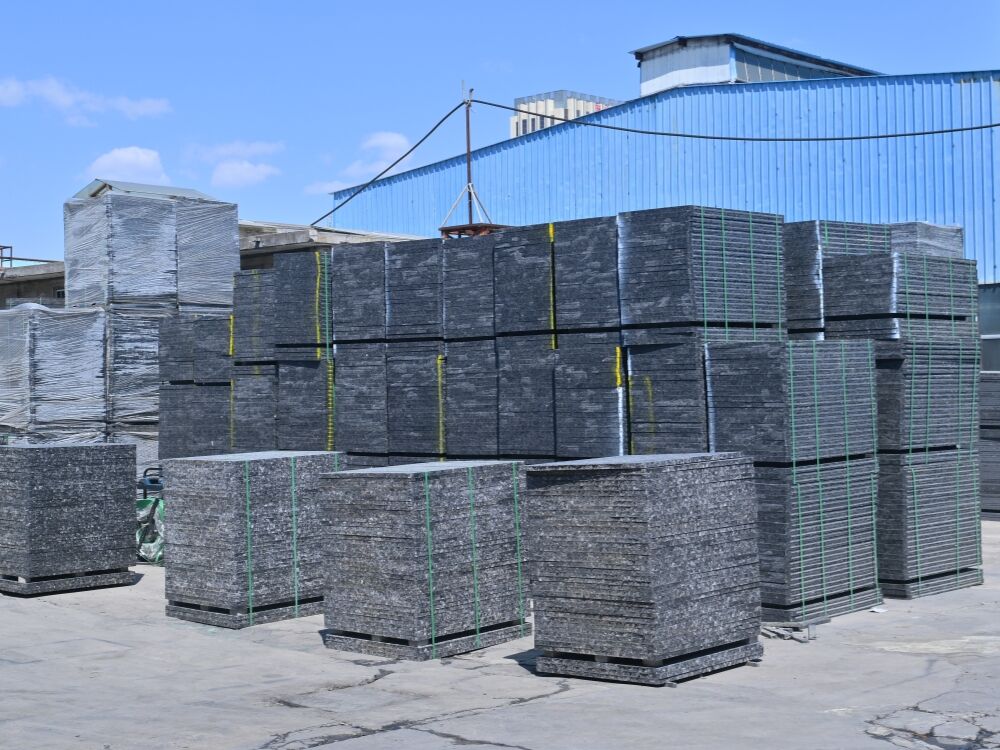
Furthermore, the versatility of large concrete mixers drives innovation in specialized sectors. They are crucial in precast concrete manufacturing, where consistent, high-quality batches produce structural components, pipes, and panels. In the mining and energy sectors, they are used for creating tailings dams, foundations for heavy machinery, and even in some reclamation projects. This broad applicability across heavy industry underscores their role not just as a construction tool, but as a key asset in national infrastructure resilience and industrial production.