 EN
EN
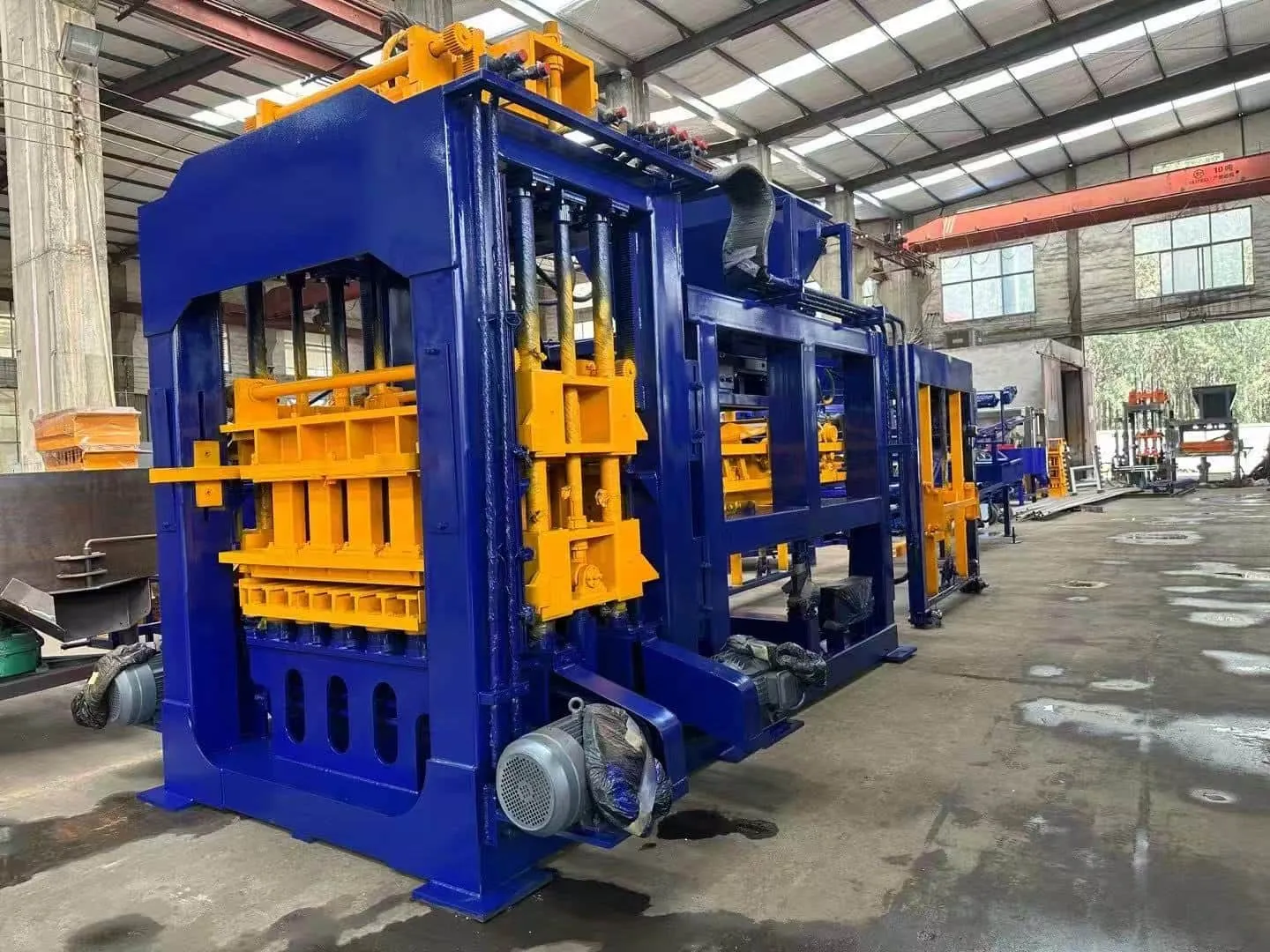
Mechanical Wear and Structural Degradation in Automatic Concrete Block Making Machines
Component wear under cyclic loading: cylinders, molds, and vibration tables
When the automatic concrete block making machine runs at high frequencies, it puts serious strain on key parts that just can't keep up. Take hydraulic cylinders for instance they go through roughly 50k compression and extension cycles each day, which eventually wears down seals and scratches piston rods. The molds aren't faring much better either. They get hammered by all sorts of aggregates in the mix, especially when working with high silica concrete. Some plants report losing around 0.3mm of material monthly from this constant grinding action. Vibration tables are another problem area. Running continuously between 8 to 12 Hz causes bearings to fail faster and makes surfaces warp over time, something that really messes with the consistency of block densities. To combat these issues, most facilities install tungsten carbide linings on molds and stick to regular checks of hydraulic fluid quality, typically every 250 hours or so of operation.
Corrosion in humid or saline environments: impact on frame integrity and actuator lifespan
Structures located near coasts or in areas with high humidity tend to suffer from faster electrochemical breakdown processes. Steel frames left unprotected often see their tensile strength drop around 15% after just 18 months exposure to salty air. The problem gets worse for actuator rods which develop those annoying pits that eat away at hydraulic seals, making failures almost twice as likely according to recent corrosion research. To fight back against this damage, engineers typically pair traditional cathodic protection methods with newer polymer composite materials for housing actuators, which can stretch equipment lifespan anywhere between three to five extra years even in harsh conditions. And don't forget regular checks using ultrasonic thickness measurements either these tests catch early signs of corrosion long before they become serious structural issues down the road.
Frame deformation and buckling at high-cycle operation (8,000 blocks/day)
When machines run non-stop for over 8,000 cycles each day, metal parts start showing signs of wear and tear from constant stress. The frame components tend to bend out of shape around areas where vibrations happen most, and these small misalignments get worse about 0.1 millimeter every week. What happens next? Problems spread throughout the system. The force from buckling moves down to the mold mounts, which means the final products don't meet specifications anymore. Fortunately, modern monitoring equipment picks up on unusual stress patterns so operators can make corrections while things are still running. Adding extra support plates at key connection points cuts down on warping issues by roughly two thirds during extended operations according to field tests across several manufacturing facilities last year.
Defective Block Output: Causes and Remedies in Automatic Concrete Block Making Machines
Cracking and surface defects from premature demolding or thermal stress
Most cracks and surface flaws happen because blocks get pulled out of molds too soon before they've actually gained enough strength. Another common issue is when there are big temperature changes during the curing process, anything over about 15 degrees Celsius per hour can really mess things up. Taking blocks out of molds while their compressive strength is still under 3.5 MPa definitely leads to structural problems. Thermal stress from these temperature swings tends to create those annoying internal fractures nobody wants to see. To fix this situation, several approaches work well. First off, just give those blocks more time in the mold until they hit at least half of their target strength. Keep the curing area pretty stable temperature wise, ideally within a 10 degree range either way. Insulated blankets around the blocks help prevent sudden temperature shocks. And finally, tweaking the concrete mix with certain polymer additives can actually boost how quickly the material gains strength in the first place. These steps together make a real difference in quality control.
Weak or disintegrated blocks due to insufficient compaction and entrapped air
When compaction pressure drops below 150 psi or when vibration cycles are cut short at less than 8 seconds, air pockets tend to form inside the blocks. These pockets can actually reduce the overall density of the blocks by as much as 30%, making them prone to break apart when weight is applied. To fix these issues, it's important to properly set up the hydraulic systems so they deliver between 150 and 200 psi during compaction. The vibration time needs adjustment too; extending it to around 10 to 15 seconds helps push out those pesky air bubbles. Another thing worth mentioning is keeping the concrete slump within the 50 to 100 mm range, since this makes compaction work better. Don't forget regular maintenance either monthly checks on both the vibration motors and hydraulic seals will go a long way toward preventing these problems from happening in the first place.
Hydraulic and Dynamic System Failures in Automatic Concrete Block Making Machines
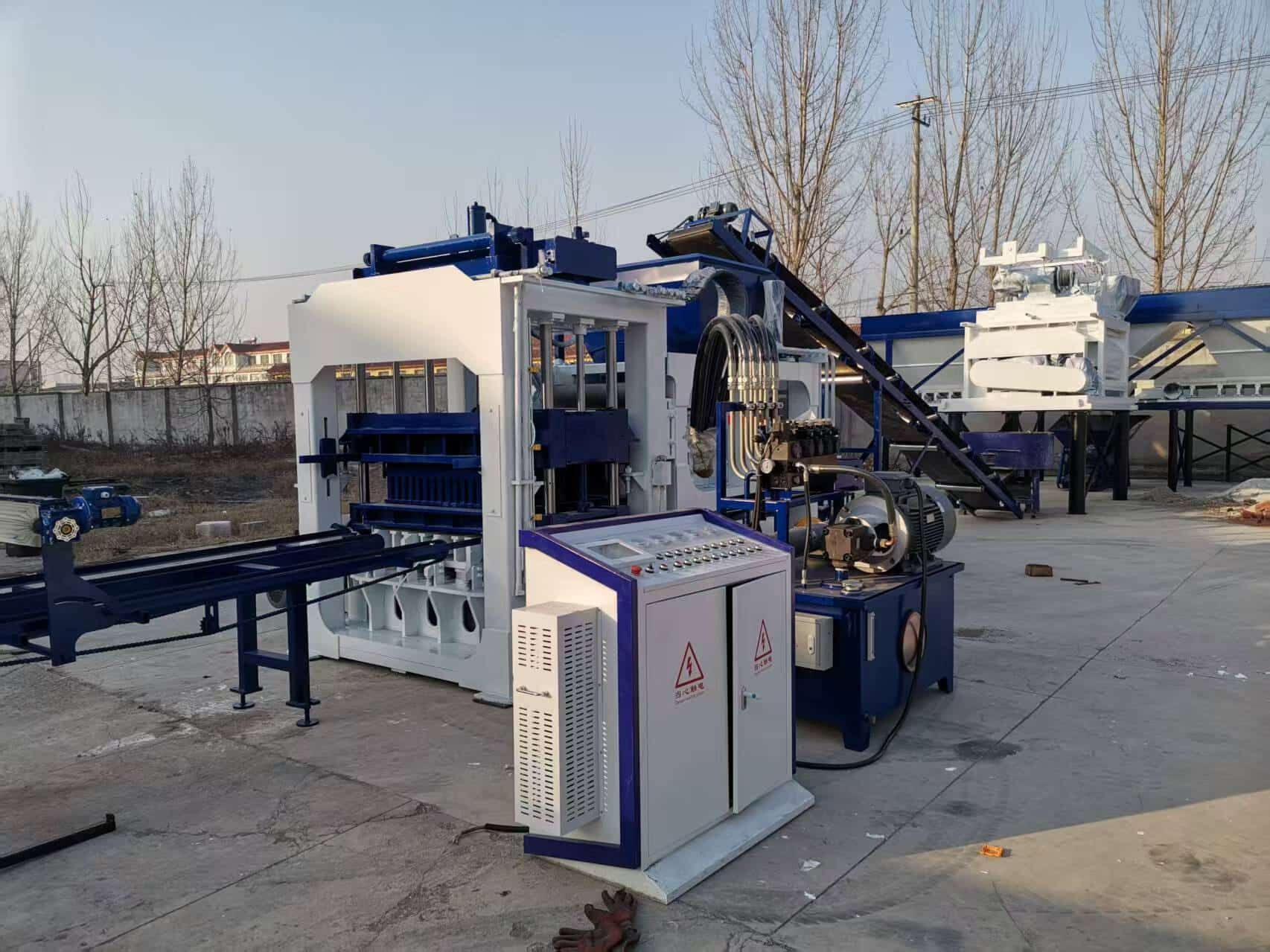
When it comes to hydraulic system problems, nothing causes more headaches than seal degradation. According to the latest ISO 4406:2022 standards, about 37% of all pressure loss incidents in industrial plants stem from this exact issue. Contaminants in the system really take their toll on equipment lifespan. Even tiny particles measuring just 10 microns can cut pump efficiency by nearly a fifth and force parts to be replaced twice as often. The main culprits we see on site tend to be threefold: fluids getting dirtier than what the ISO standards allow, seals wearing down due to constant temperature changes, and pressure falling below critical levels at around 2,500 PSI when compacting materials. These patterns are worth watching closely for anyone managing heavy machinery operations.
Abnormal vibration: root causes including mold misalignment and flywheel imbalance
Persistent vibration stems from mechanical asymmetry. At 8,000 blocks/day cycles: mold misalignment exceeding 0.5 mm tolerance fractures frame welds; flywheel imbalance generates harmonic resonance damaging bearings; and loose anchor bolts amplify oscillation by 300%. Uncorrected vibration degrades block dimensional accuracy by 15% within 500 operating hours.
Human and Process-Related Issues Affecting Automatic Concrete Block Making Machine Performance
The people working with machines and how operations run day to day have a huge effect on overall efficiency, sometimes even more so than actual breakdowns of equipment itself. When looking at mistakes made by operators, we find problems like wrong parameter settings, getting the material mix ratios all wrong, or taking parts out too early from molds account for around 40 percent of defects in production, based on data from the Industry Efficiency Report last year. Without proper training, things just get worse because workers end up doing maintenance incorrectly which wears down components faster than normal. Then there are those process holes where materials come in inconsistently or workflows aren't designed well enough, creating bottlenecks that cut into machine usage time by as much as 25%. What can be done? Manufacturers need to put together standard operating procedures everyone follows, install monitoring systems that track performance in real time, and make sure operators go through proper certification programs. And don't forget regular checks of the whole process to spot potential trouble spots before they turn into major headaches down the line.
FAQ
Why do hydraulic cylinders wear down rapidly in block making machines?
Hydraulic cylinders experience wear due to approximately 50k cycles of compression and extension daily, which eventually degrades seals and scratches piston rods.
What causes defective blocks in concrete block making machines?
Defective blocks often result from premature demolding before blocks achieve sufficient strength, thermal stress during curing, or inadequate compaction that causes entrapped air and weakens the blocks.
How can abnormal vibrations impact machine performance?
Abnormal vibrations from mold misalignment and flywheel imbalance can cause frame weld fractures, bearing damage, and degraded block dimensional accuracy.
What human and process-related issues affect machine performance?
Human errors such as incorrect settings or improper training and inconsistent workflow processes can account for significant inefficiencies and defects in production.
How can corrosion affect automatic concrete block making machines?
Corrosion, especially in humid or saline environments, can decrease steel frame tensile strength and cause pit formations in actuator rods, leading to increased hydraulic seal failures.
Table of Contents
- Mechanical Wear and Structural Degradation in Automatic Concrete Block Making Machines
- Defective Block Output: Causes and Remedies in Automatic Concrete Block Making Machines
- Hydraulic and Dynamic System Failures in Automatic Concrete Block Making Machines
- Human and Process-Related Issues Affecting Automatic Concrete Block Making Machine Performance
-
FAQ
- Why do hydraulic cylinders wear down rapidly in block making machines?
- What causes defective blocks in concrete block making machines?
- How can abnormal vibrations impact machine performance?
- What human and process-related issues affect machine performance?
- How can corrosion affect automatic concrete block making machines?