
 EN
EN
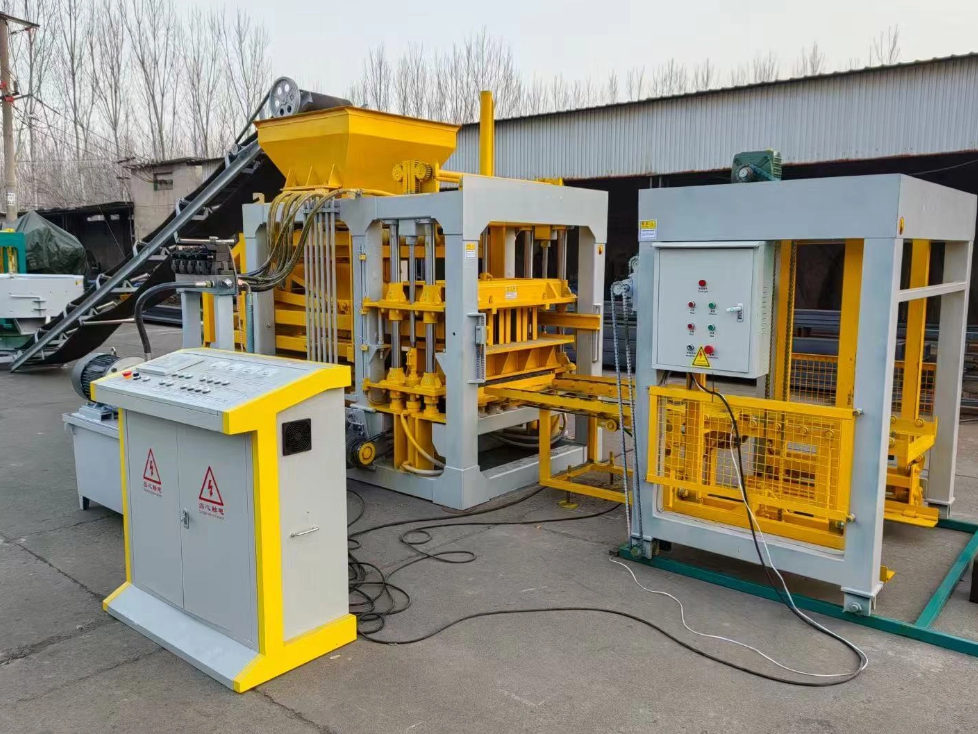
Initial Procurement Cost Gap Between Semi And Fully Automatic Hydraulic Brick Equipment
The first obvious factor investors evaluate when selecting hydraulic brick making machines is upfront purchasing expense, and semi automatic and fully automatic units carry clear price separation caused by differences in hydraulic systems control hardware and automated conveying structures. Semi automatic models like QTJ4-25 adopt simplified manual feeding frames and basic relay control cabinets, cutting initial investment by forty to sixty percent compared with full PLC hydraulic production lines such as QT4-15 and QT12-15. A real purchasing case from a small block processing plant in Southeast Asia fully reflects this cost gap. The factory owner initially planned to buy large fully automatic equipment but chose semi automatic hydraulic brick machines to limit startup capital pressure, cutting one time procurement expenditure by nearly forty five thousand US dollars. Global construction machinery market statistics confirm semi automatic hydraulic block machines range from ten thousand to fifty thousand US dollars, while medium and large full automatic production lines fall between one hundred thousand and five hundred thousand US dollars. Investors with limited short term funds tend to select semi automatic specifications, yet they need to calculate long term operation performance to judge comprehensive cost performance rather than only focus on one time payment.
Daily Operation Performance Creates Long Term Income Disparity
Initial price difference can be offset or widened rapidly by daily production efficiency labor and power consumption indicators, forming core performance gaps between two hydraulic brick machine categories. Fully automatic hydraulic equipment with Siemens PLC touch screen control realizes automatic batching feeding molding pallet transmission, requiring only one or two on site monitoring staff for eight hour shifts. Semi automatic machines need four to six workers to complete material carrying and finished block transferring manually, generating continuous monthly labor expenditure. One year continuous production data collected from two matching block factories with equal site area creates clear profit contrast. The factory equipped with QT6-15 full automatic hydraulic line increased daily finished block output by one hundred ten percent and cut monthly labor cost by seventy three percent. Industry concrete machinery research data states full automatic hydraulic systems optimize power output frequency conversion control, reducing single block power consumption by around twenty percent compared with constant pressure semi automatic hydraulic units. Stable high hourly output shortens order delivery cycles and lifts overall annual sales revenue for block manufacturers.
Long Term Maintenance Cost Determines Full Cycle Cost Performance
Many investors ignore recurring maintenance expenditure after equipment delivery, which occupies more than fifty percent of full life cycle operation expense for hydraulic brick machines. Semi automatic hydraulic brick machines adopt basic domestic hydraulic valves ordinary steel molds and low strength plastic pallets, generating frequent replacement costs within two to three years of continuous use. Fully automatic models configured with YUKEN hydraulic components carburized heat treatment molds and high strength fiberglass pallets extend spare part service life greatly. Three year maintenance expense tracking records from overseas block production bases show semi automatic hydraulic equipment spent two point three times more on mold hydraulic and pallet replacement than full automatic hydraulic lines of matching production capacity. Third party mechanical durability lab cycle tests verify imported brand hydraulic parts operate stably over eight thousand working hours, while ordinary domestic hydraulic accessories fail within two thousand five hundred hours without precise pressure adjustment. Long term maintenance outlay becomes the decisive index to judge whether high initial investment full automatic machines deliver superior overall cost performance.
Finished Block Quality Differentiates Market Profit Margin
Hydraulic molding pressure frame rigidity and mold precision directly decide finished block dimensional error compressive strength and surface smoothness, forming differentiated sales profit margins for block products sold to construction projects. Medium and large fully automatic hydraulic brick machines supply stable high pressure molding force up to five hundred tons, controlling finished block dimensional tolerance within plus or minus zero point five millimeters. Semi automatic hydraulic equipment delivers limited forming pressure, easily generating uneven block density surface pits and size deviation after long running production. Long term sales feedback from global construction material distributors shows blocks produced by full automatic hydraulic lines gain twenty five to thirty five percent higher unit sales price due to uniform quality and stable compressive strength. International concrete block inspection standards require load bearing construction blocks to reach fixed compression indexes, and semi automatic machine finished products frequently fail third party quality sampling inspection, triggering order return losses. Precision carburized molds matched on high end hydraulic brick machines maintain consistent surface finish after millions of molding cycles without surface wear defects.
Project Scale Matches Suitable Hydraulic Brick Machine Grade
No single hydraulic brick machine model fits all investment scales; investors need to combine daily output target site area annual order volume to balance cost and performance. Small startup workshops with daily output below three thousand standard blocks fit semi automatic hydraulic QTJ series, lowering entry threshold with controlled upfront cost. Medium sized block factories undertaking regular municipal construction orders select medium full automatic QT4-15 QT5-15 hydraulic lines to balance investment and production capacity. Large industrial mineral residue comprehensive utilization projects with daily output over twelve thousand blocks need large scale QT12-15 full hydraulic automatic equipment to support round the clock continuous production. Summarized matching cases of four thousand plus global building material clients show semi automatic machines achieve balanced ROI within thirty months for small volume orders, while full automatic hydraulic production lines recover extra investment within eighteen months for mass long term construction contracts. Blind pursuit of ultra low initial cost semi automatic units for large scale projects brings continuous efficiency and quality loss.
Integrated Hydraulic Brick Machine Manufacturing Balances Cost And Stable Performance
Global block factory investors cross border building material distributors and municipal construction suppliers seek hydraulic brick machine manufacturers integrating independent casting mold processing and complete machine testing to coordinate reasonable procurement cost and long running stable performance. Yaoda holds twenty six years professional concrete hydraulic brick machine R&D and manufacturing experience, operating sixteen thousand square meters standardized production workshops with dedicated hydraulic component assembly and mold heat treatment workshops. The brand launches complete product lines covering semi automatic QTJ series medium full automatic QT series and large fully automatic hydraulic block production lines, adopting SIEMENS YUKEN INOVANCE imported core components to guarantee hydraulic pressure and control stability. Every finished hydraulic brick machine passes multi stage molding pressure dimensional and durability testing before delivery, supporting customized production line layout design according to client raw material types and daily output demands. Multiple stable ocean logistics routes deliver complete machine sets and spare parts to Africa Middle East Southeast Asia and Latin America with fixed lead times. A multilingual 24 hour technical team provides remote fault diagnosis and overseas on site installation debugging for all cooperative building material investors, helping clients select hydraulic brick machine specifications matching their project scale to maximize full cycle cost performance.
Table of Contents
- Initial Procurement Cost Gap Between Semi And Fully Automatic Hydraulic Brick Equipment
- Daily Operation Performance Creates Long Term Income Disparity
- Long Term Maintenance Cost Determines Full Cycle Cost Performance
- Finished Block Quality Differentiates Market Profit Margin
- Project Scale Matches Suitable Hydraulic Brick Machine Grade
- Integrated Hydraulic Brick Machine Manufacturing Balances Cost And Stable Performance