 EN
EN
Molding Principle Creates Fundamental Brick Quality Gap
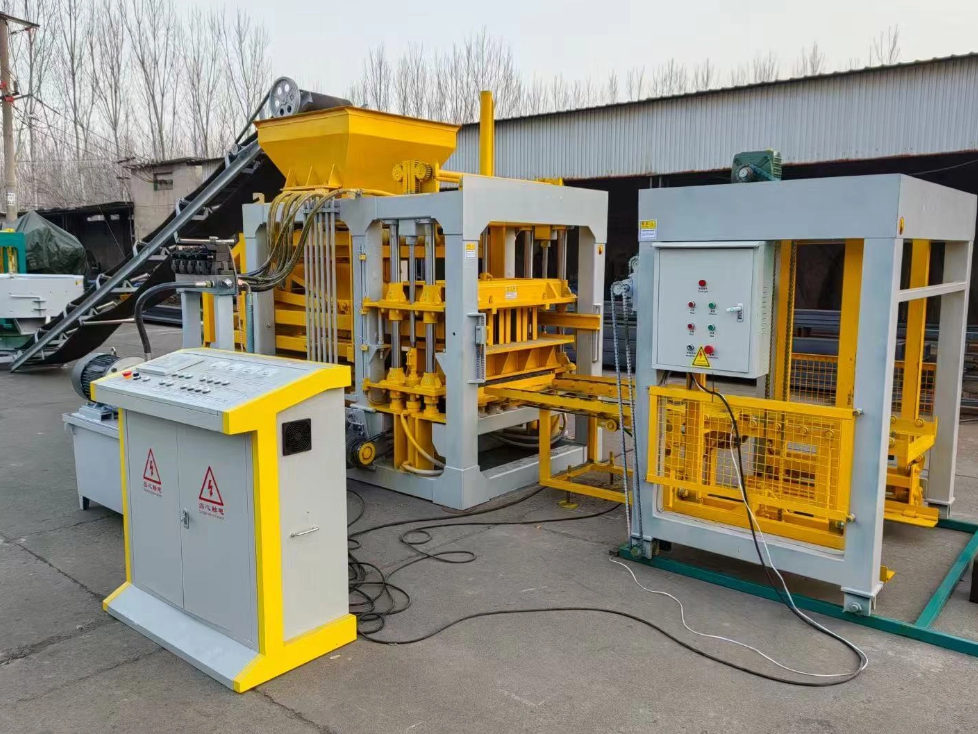
The core difference separating hydraulic brick making machines and pure vibration brick machines lies in their distinct molding working principles, which directly determine finished concrete block compactness and surface integrity. Vibration brick machines rely solely on high frequency vibration motors to shake raw materials tight without constant top pressure, while hydraulic models combine adjustable hydraulic downforce with synchronous vibration to realize dual compaction molding. A three-year continuous tracking case from a medium sized brick plant in Southeast Asia fully demonstrates this quality gap. The factory originally deployed pure vibration equipment and recorded sixteen percent reject rate including loose hollow bricks and uneven surface texture, after upgrading to QT series hydraulic brick machines the defective rate dropped below two percent within four months. Research data aligned with ASTM C55 concrete brick standards proves hydraulic dual compaction lifts finished block density by twelve to eighteen percent compared with single vibration molding. Pure vibration units fail to eliminate internal material voids when producing thick curb stones and interlocking paving bricks, while hydraulic balanced pressure vibration locks uniform raw material distribution across every mold cavity.
Dimensional Tolerance And Compressive Strength Differ Widely
Stable constant pressure output from hydraulic systems delivers far stricter dimensional control and higher compressive strength for finished bricks compared to vibration only equipment that generates frame shaking deformation during production. Third-party concrete material laboratories carried out parallel batch tests collecting one thousand blocks from each machine type. Vibration brick finished products carry dimensional deviation over one point two millimeters and average compressive strength below MU15 grade, while hydraulic molded bricks control tolerance within plus or minus zero point five millimeters and stably reach MU25 high strength grade meeting structural construction requirements. Professional construction equipment engineers publish comparative analysis stating frame vibration of basic vibration machines loosens mold fixtures over long shifts, causing inconsistent block thickness across the same batch. Hydraulic brick machines adopt thickened integral steel frames and closed loop pressure adjustment, eliminating shaking displacement even under eight hour nonstop production, making their finished products pass third-party construction material sampling inspection without frequent batch rework.
Long Term Equipment Maintenance Cost Contrast
Pure vibration brick machines bear recurring high maintenance expenditure driven by fast wearing vibration motors thin mold frames and unbuffered impact structures, whereas hydraulic brick machines fitted with imported Yuken hydraulic valves and carburized heat treatment molds cut annual spare part costs significantly. Three year maintenance expense tracking records from multiple overseas brick production bases show vibration machine clients spend two point one times more on motor replacement mold repair and frame reinforcement than hydraulic equipment owners. Vibration motors operate under continuous high amplitude shock, requiring overhaul every six months; hydraulic systems run with smooth pressure circulation, extending core component service life to over eight thousand working hours. Yaoda’s full series hydraulic brick machines adopt shock absorption buffer structures around mold boxes to reduce abrasion, while basic vibration equipment lacks anti impact protection and develops frame cracking within two years of heavy daily production. Long term investors must calculate full cycle maintenance outlay rather than only comparing one time procurement prices.
Labor And Power Consumption Operating Cost Gap
Daily running expenditure gaps between the two machine types appear in staffing requirements and power consumption indicators, brought by automation and energy control differences. Standard vibration brick machines need four to six on site workers for manual feeding pallet moving and finished brick handling, while medium and large hydraulic production lines equipped with PLC automatic conveying systems only require one or two monitoring staff per shift. Industrial machinery energy efficiency survey data shows hydraulic variable frequency control cuts single block power consumption by twenty three percent against fixed frequency vibration motors. A medium brick factory daily operation log records eight hour shift labor and electricity cost: vibration equipment generates thirty seven percent higher daily operating expenditure than equivalent output hydraulic units. Hydraulic brick machines support unattended semi automatic operation after parameter setup, lowering continuous labor input for large scale daily production volumes over thousands of blocks.
Matching Factory Scale And Production Demand
Vibration brick machines and hydraulic brick machines target completely different investment scales and production goals without universal one size fits all solutions. Small temporary construction workshops with daily output below three thousand blocks and short project cycles fit low cost vibration brick machines to limit initial capital outlay. Medium and permanent brick factories undertaking municipal road and building material bulk orders need full hydraulic molding lines to guarantee consistent high strength finished goods for long term client cooperation. Summarized global brick factory investment cases show vibration equipment recovers investment within twenty four months for small volume trial production, while hydraulic brick machines shorten ROI cycle to eighteen months for daily output over six thousand blocks. Investors planning long term stable sales to construction contractors prioritize hydraulic machines for uniform qualified brick batches, while temporary project contractors select vibration units for low upfront budget demands.
Integrated Hydraulic Brick Machine Manufacturing For All Scenarios
Brick factory investors cross-border building material distributors and construction project contractors seeking matched molding equipment can access complete product lines covering hydraulic and vibration brick machines from Yaoda. The brand holds twenty six years professional concrete block equipment manufacturing experience, running sixteen thousand square meters standardized production workshops with independent mold heat treatment and hydraulic component assembly zones. Full vibration small models like QTJ4-25 and medium large fully automatic QT series hydraulic brick machines complete multi-stage compression dimensional durability testing before shipment, complying with international ASTM and domestic brick production standards. Customized production line layout raw material matching and mold development services are available for global clients, with multiple stable ocean logistics routes delivering complete machine sets and spare parts to Africa Middle East Southeast Asia and Latin America. A multilingual 24 hour technical team provides installation debugging and long-term maintenance guidance, helping investors select vibration or hydraulic brick machines matching factory scale and long-term production targets to maximize overall project profit.
Table of Contents
- Molding Principle Creates Fundamental Brick Quality Gap
- Dimensional Tolerance And Compressive Strength Differ Widely
- Long Term Equipment Maintenance Cost Contrast
- Labor And Power Consumption Operating Cost Gap
- Matching Factory Scale And Production Demand
- Integrated Hydraulic Brick Machine Manufacturing For All Scenarios