
 EN
EN
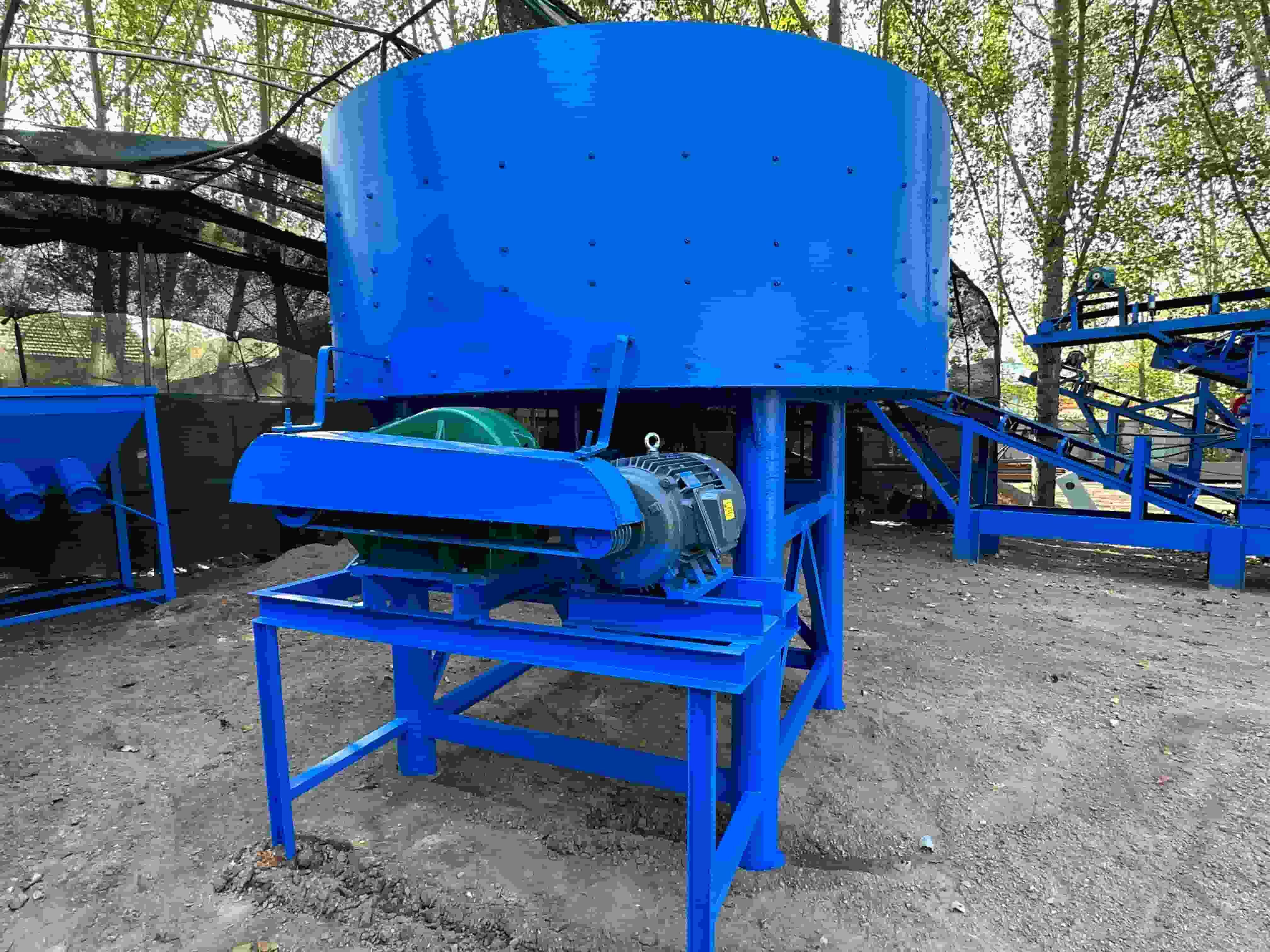
The Uniformity Challenge: Why Drum Concrete Mixers Struggle with Consistent Homogeneity
Gravity-Dependent Tumbling Limits Shear and Particle Dispersion
The way drum concrete mixers work is pretty straightforward but has some serious limitations when it comes to getting everything mixed properly. These machines basically depend on gravity as they tumble around, which means the mixing action isn't very active at all. When the drum spins, stuff just falls down without any real force pushing it together, so we end up with lumps of bigger rocks mixed in with cement paste that doesn't spread evenly throughout. What happens next? Well, the big chunks tend to bunch up together while the smaller bits drift towards the middle of the drum. Most regular models don't have those fancy blades that help move material around better, creating spots where nothing really mixes at all. Because of this, contractors often need to run these mixers for longer than 5 minutes just to get decent results, although even after all that time, there's no guarantee every aggregate will be properly coated with cement paste.
Segregation Risks Amplified by Load Variability and Operator Technique
The problem of segregation gets worse in drum mixers because of how they're built and how people operate them. When materials get loaded into these machines, small mistakes matter a lot. For instance, putting water in before cement or just tossing aggregates into the mixer in random layers creates spots where the mixture isn't blending properly while everything tumbles around. Then there's the whole issue of operators not keeping the drum spinning at the same speed consistently. This throws off the balance inside, causing heavier stuff to sink down while water rises up through the mix (what we call bleeding). Things really fall apart during discharge time too. As the concrete comes out, bigger particles move differently from smaller ones, so we end up with layers forming again. According to some research in the field, regular drum mixers can actually segregate materials about 15% more than those fancy forced-action models. This matters most with mixes that have very little water compared to cement since there's barely any room for error and everything becomes super sensitive to these segregation issues.
Flat Mouth Concrete Mixers: High-Shear Mechanics for Reliable Uniformity
Disc-Driven Radial Shear and Forced Convection Eliminate Dead Zones
The flat mouth design in concrete mixers swaps out the old passive tumbling method for something much more aggressive with high shear action. Inside these machines, rotating discs create serious radial force that pushes material around the mixing chamber constantly. The result? Aggregates get thoroughly mixed with paste as they move through every part of the chamber. What makes this different from older models is how it keeps everything moving continuously. No more unmixed spots forming, no water or cement collecting in one area either. Traditional gravity-based systems just can't match this kind of consistent mixing action while running. For special concrete types like self consolidating mixes, fiber reinforced blends, or those ultra high performance formulas, getting consistent results matters a lot because any variation affects how well the final product performs in real world applications.
Measured Gains: 23% Lower Coefficient of Variation in Compressive Strength
High shear mixing technology actually makes a real difference when it comes to how strong structures turn out. According to various industry tests, flat mouth mixers cut down on the variation in compressive strength measurements by about 23 percent when compared with traditional drum mixers. What this means practically is better consistency from one batch to another, so there's less chance of weak spots that can affect how well something holds up over time or lasts through its service life. When particles get distributed more evenly throughout the mix, the cement hydrates better too, which saves money on wasted materials and cuts back on having to fix problems later. For construction jobs that need to follow ASTM C94 standards (those that require very consistent concrete mixes), getting this kind of repeatable results isn't just helpful but absolutely necessary for meeting all the regulatory requirements.
Operational Advantages: Mixing Time, Energy Use, and ASTM C94 Compliance
Achieving Target Homogeneity in 60–90 Seconds vs. 180–300 Seconds for Drum Mixers
Flat mouth mixers get materials mixed thoroughly in around 60 to 90 seconds, which is way faster than traditional drum mixers that take anywhere from 180 to 300 seconds. That kind of speed cut down on labor costs for each batch and boosts how many batches can be processed in an hour, something manufacturers really appreciate when running large scale operations or working under tight delivery schedules. Energy costs make up roughly 40% of what it costs to run most batching facilities today, so it makes sense why the improved mechanical design of flat mouth systems saves about 25 to 30% in power usage per mixing cycle. What's especially important here is meeting those ASTM C94 standards for material consistency. These systems don't need extra time like other methods do; instead they create better mixing through their unique shear action that actually stops material separation before it starts happening. And because everything gets mixed quicker, there's less stress on the drive components and bearings too, meaning maintenance needs drop by approximately 18% compared to regular drum mixers.
Field Validation: Pre-Cast Plant Case Study Confirms Real-World Impact
Over the course of twelve months at a busy precast concrete plant, we saw how flat mouth technology actually works when put through its paces with over 1,200 different batches and more than fifteen unique mix designs. The slump tests showed much better results too, jumping from around 84.7% consistency with old drum equipment to nearly 97.3%. This improvement meant workers had much better control over the workability of their mixes. Material waste went down by about 14% overall, which is pretty impressive considering the savings involved. And those pesky rework delays caused by inconsistent mixtures? They basically disappeared, dropping around 92%. Field staff noticed far fewer problems with segregation happening during discharge operations, even when dealing with tough 6,000 PSI mixes. This happened despite all sorts of real world challenges including changing humidity levels outside, varying moisture content in aggregates, and faster batching cycles than normal. Production speed picked up by approximately 18%, mainly because so many batches passed quality checks on the first try. All these improvements show that high shear mixing isn't just good in controlled lab settings but delivers real value for manufacturers struggling with uniformity issues in traditional drum systems.
FAQ
Why do drum concrete mixers struggle with achieving consistent mix uniformity?
Drum concrete mixers rely on gravity for mixing, which limits their ability to ensure consistent particle dispersion and blending. The passive tumbling action often leads to uneven distribution of aggregates and cement paste.
What are the advantages of flat mouth concrete mixers over traditional drum mixers?
Flat mouth concrete mixers utilize high-shear mechanics and forced convection, significantly reducing unmixed zones and offering quicker, more energy-efficient mixing. They are also better at preventing segregation and ensuring material consistency.
How do flat mouth mixers achieve better mix consistency?
These mixers employ disc-driven radial shear to actively blend concrete materials, avoiding the dead zones typical in drum mixers. This steady movement ensures aggregates and paste are consistently dispersed throughout the mix.
What impact does high shear technology have on concrete strength?
High shear technology reduces variations in compressive strength by about 23%, leading to more reliable concrete performance and compliance with standards like ASTM C94.
How does mixing time compare between drum and flat mouth mixers?
Flat mouth mixers can achieve target homogeneity within 60 to 90 seconds, much faster than traditional drum mixers, which generally take 180 to 300 seconds.
Table of Contents
- The Uniformity Challenge: Why Drum Concrete Mixers Struggle with Consistent Homogeneity
- Flat Mouth Concrete Mixers: High-Shear Mechanics for Reliable Uniformity
- Operational Advantages: Mixing Time, Energy Use, and ASTM C94 Compliance
- Field Validation: Pre-Cast Plant Case Study Confirms Real-World Impact
-
FAQ
- Why do drum concrete mixers struggle with achieving consistent mix uniformity?
- What are the advantages of flat mouth concrete mixers over traditional drum mixers?
- How do flat mouth mixers achieve better mix consistency?
- What impact does high shear technology have on concrete strength?
- How does mixing time compare between drum and flat mouth mixers?