Prospects for Construction Mixer Applications
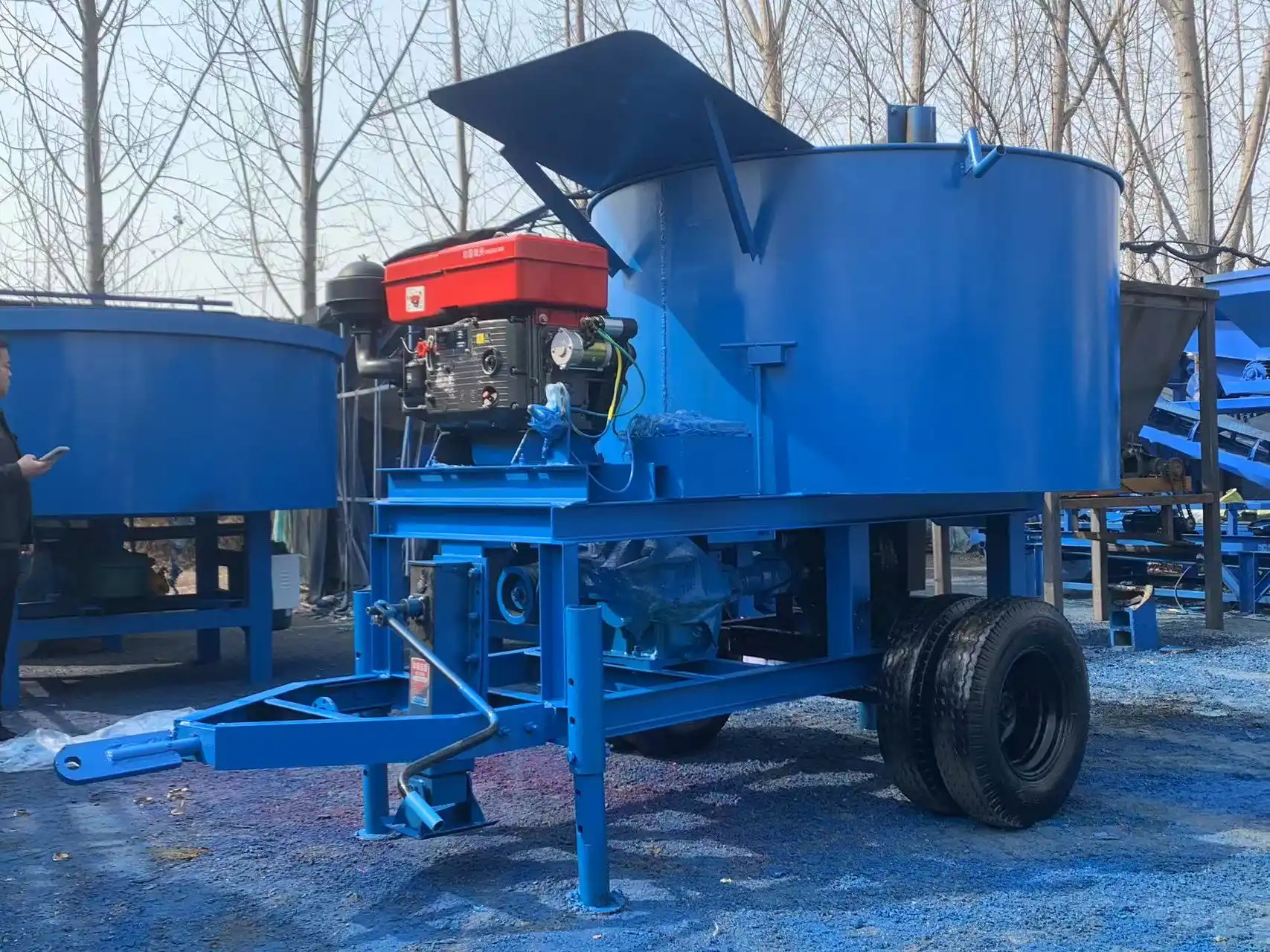
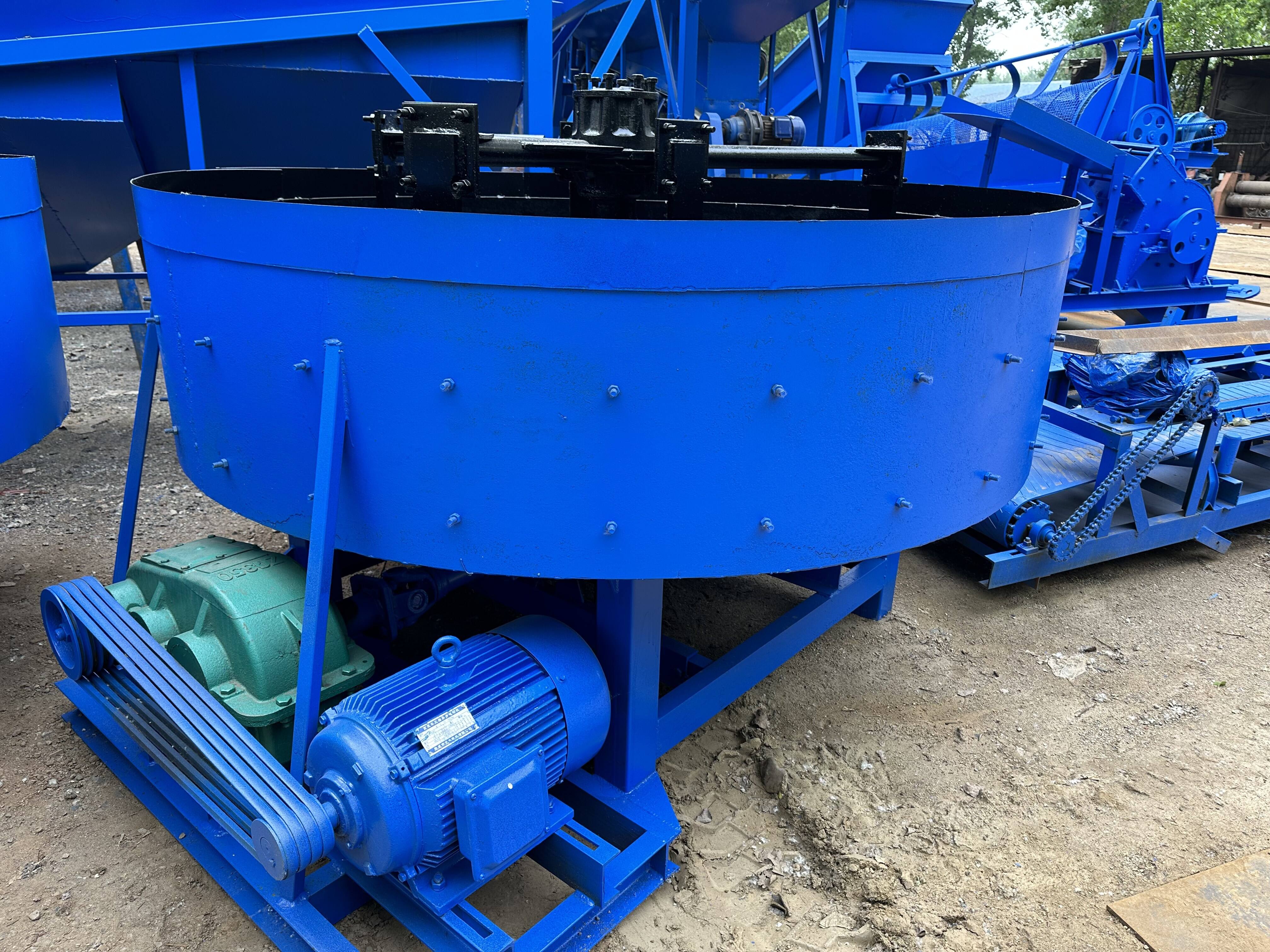
With the acceleration of global infrastructure upgrades and urbanization, construction mixers have expanded beyond traditional concrete mixing into diverse application scenarios. In large-scale infrastructure projects (such as high-speed rail bridges and smart city underground utility tunnels), high-efficiency mixing equipment integrates weighing and sensing systems to achieve precise material ratio control, significantly enhancing structural strength and construction efficiency. Modular mobile mixing plants are increasingly deployed in remote construction sites, reducing transportation costs and becoming critical equipment for overseas projects under the Belt and Road Initiative. Over the next five years, demand for high-strength specialty concrete in renewable energy infrastructure (wind turbine foundations, solar power plants) will drive mixer technology upgrades, with market capacity projected to grow at an annual rate of 12%.
Intelligent and green transformation is reshaping the industry ecosystem. Smart mixers equipped with IoT sensors and 5G transmission monitor real-time data such as bearing temperature and material viscosity. AI algorithms predict maintenance cycles, minimizing unexpected downtime. Driven by environmental policies, dry-mix mortar mixers paired with dust recovery systems enable zero-emission operations in prefabricated component production for modular construction. Additionally, construction waste aggregate recycling technology is maturing. Equipment utilizing variable frequency technology adapts to varying recycled material ratios, supporting circular economy industrial parks and aligning with global carbon neutrality strategies.
Emerging applications continue to emerge. In military engineering and disaster response, rapidly deployable mixers with diesel-electric hybrid power operate independently of grid infrastructure. The concept of space construction has spurred the development of miniature vacuum mixers for lunar soil consolidation experiments in lunar base construction. Simultaneously, demand for small portable mixers has surged due to urban micro-renovation projects (such as reinforcing aging residential areas and laying artistic pavements), driving growth in the equipment rental market. Amidst industry chain integration trends, mixers will deeply integrate into BIM construction management systems, enabling full-process digitalization from material procurement and mixing scheduling to pouring monitoring, laying the foundation for smart construction.