
 EN
EN
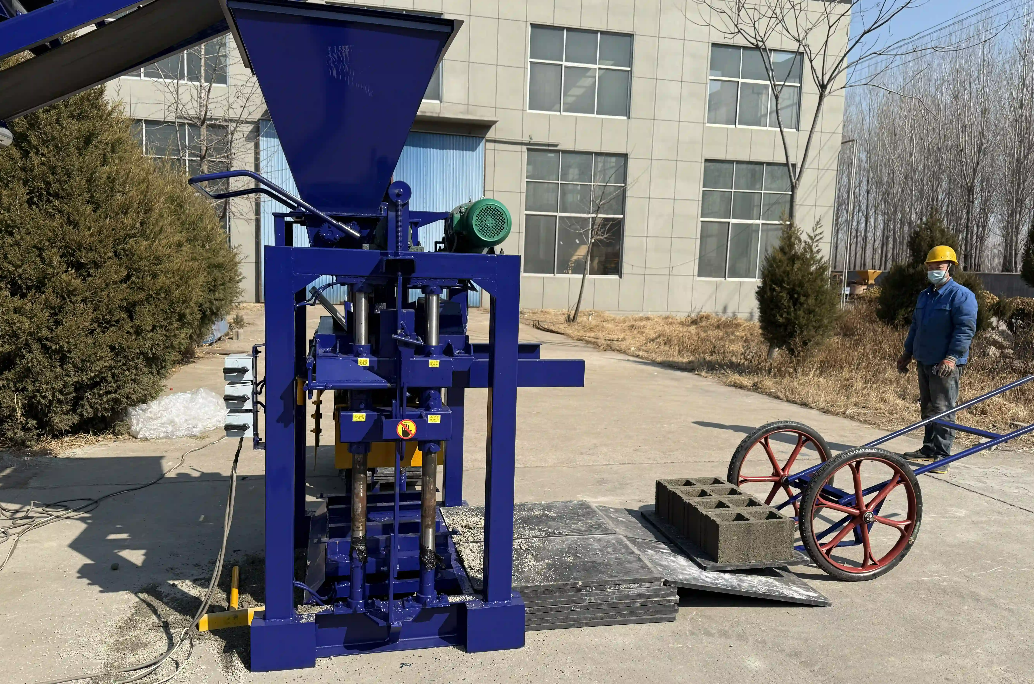
Daily Pre-Operation and Post-Operation Inspection for Automatic Concrete Block Making Machines
Pre-Start Visual and Functional Checks: Safety Guards, Mold Integrity, and Control Panel Readiness
Always put the automatic concrete block making machine through a thorough check before starting any production cycle to avoid accidents and those frustrating unexpected shutdowns. Make sure all those safety guards are lined up right and working together as they should. When something's off track here, operators get exposed to risks and companies end up breaking OSHA rules from way back in 1910.212. Take time to look at mold cavities closely for signs of damage like cracks, warps, or pits. Grab a straight edge tool for this job. If anything looks out of whack by more than half a millimeter, it's time to swap out the mold entirely. Don't forget to test those emergency stops at every station point. Also check that the PLC system isn't holding onto old errors. Proper lubrication on guide rails according to what the manufacturer recommends matters a lot. We've seen data showing under lubricated rails account for around a quarter of early wear problems in concrete machinery operations last year.
Post-Shutdown Verification: Power Isolation, Lockout/Tagout Compliance, and Residual Pressure Release
Right when things shut down, operators need to cut off every possible power source first. That means flipping those main circuit breakers, shutting down hydraulic pumps, and disconnecting control panels completely. Why? To make sure nothing gets accidentally powered back on while someone's working on it. Lockout tagout procedures must follow ANSI Z244.1 standards from 2020 right down to the last detail. The Ponemon Institute reported in their 2023 study that not following these safety steps leads to about 17% of all preventable injuries during maintenance work. Before touching anything mechanical, always bleed out whatever pressure remains in those hydraulic systems. Accumulators and cylinders can still hold dangerous amounts of force even after shutdown. When checking vibration tables during their cool down period, keep an eye on bearing temperatures too. If they stay consistently above 65 degrees Celsius, that's a red flag for either bad lubrication or worn bearings needing attention. Facilities that stick with this whole process tend to save roughly seven hundred forty thousand dollars each year in downtime costs according to industry data from mid-sized precast concrete operations.
Daily Cleaning, Lubrication, and Wear Monitoring for Automatic Concrete Block Making Machines
Targeted Cleaning of High-Risk Zones: Mold Cavity, Feed Hopper, and Vibration Table Surface
When it comes to daily cleaning routines, focus first on areas where concrete residue really matters for getting accurate results. Get rid of any uncured stuff stuck in the mold cavities with plastic scrapers or soft bristled brushes only please dont ever use metal tools because they scratch those surfaces we need to stay smooth for proper block dimensions. Before turning anything on, make sure those feed hoppers are free of hardened chunks left over from previous batches this keeps materials flowing evenly through the system and stops the ram from getting overloaded during operation. The vibration table needs attention too scrape off whatever residue is still soft while its still workable. Wait too long and those deposits harden right onto the table surface which throws off the balance completely leading to uneven compaction and all sorts of ugly surface problems in our finished products.
Precision Lubrication Protocol: Grease Point Mapping, Interval Guidelines, and Automatic System Validation
Always stick to the grease point map that comes from the actual machine maker instead of going off what someone told us last week or sticking to old routines. High temp EP rated grease should go onto those ram guides, toggle joints, and bearing housings roughly every eight hours of operation time. Machines equipped with auto lube systems need regular checks too. Look at those flow indicators and pressure readings once a week minimum. Don't forget to check for clogs in the distribution lines either - sometimes a simple dye test will show where things might be getting stuck. Getting lubrication right matters because when done properly it cuts down on metal rubbing against metal, which can extend parts lifespan by around 40 percent according to some studies we saw in that mechanical engineering journal back in 2021.
Hydraulic and Mechanical System Health Assessment for Automatic Concrete Block Making Machines
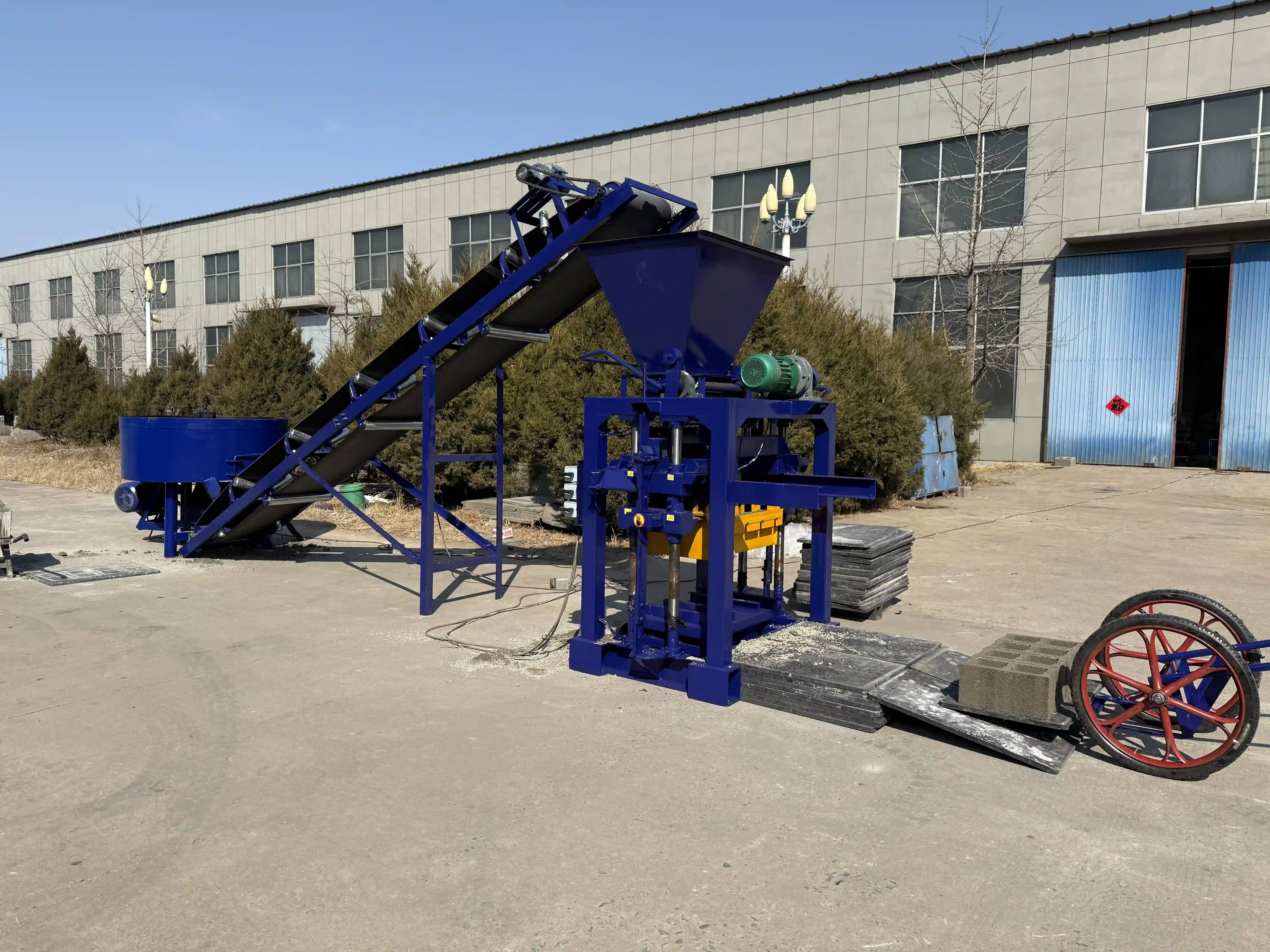
Hydraulic System Diagnostics: Leak Screening, Pressure Stability Testing, and Fluid Contamination Check
Around 80% of unexpected stoppages in automatic block machines come down to problems with hydraulics, which is why checking things out before they fail makes good sense. Start looking for leaks using UV light around those cylinder seals, hose connections, and valve blocks where tiny drips can hide from plain sight. When running normally, keep an eye on pressure levels too. If there are drops or spikes beyond about plus or minus 10% from what the manufacturer says is normal, that usually means something isn't right inside the pump, valves might be letting fluid escape, or maybe the accumulator lost some gas. Get the oil checked for dirt and debris every three months following ISO 4406 standards, aiming to stay clean enough to meet code 18/16/13 at minimum. Change out the hydraulic fluid once a year or sooner if it hits 2,000 hours of work time, whichever happens first. According to Fluid Power Journal last year, dirty oil can really shorten the life of servo valves and piston seals, sometimes tripling their wear rate compared to clean systems.
Mechanical Component Audit: Mold Alignment Tolerance, Tamper Head Erosion, Bearing Clearance, and Mounting Bolt Torque Verification
Keeping mechanical integrity intact ensures consistent products and reliable machines over time. Mold alignment should be checked every week with a laser level set against factory reference points. The tolerance here needs to stay within 0.5mm for each meter of mold length. Daily inspection of tamper heads with a depth gauge is essential too. When erosion gets past 3mm mark, it's time for replacement because worn out parts lead to uneven compression forces and more voids in the finished blocks. For bearings, monthly checks are necessary using a dial indicator while applying gentle rotation. Allowable movement shouldn't exceed 0.1mm. And don't forget those structural mounting bolts either. A good quarterly check with a properly calibrated wrench following the manufacturer's torque specifications is critical. If readings drift more than 5% either way, there's a real risk of frame flexing issues that can cascade into bigger misalignment problems down the line.
| Critical Parameter | Measurement Tool | Tolerance Threshold | Frequency |
|---|---|---|---|
| Mold Alignment | Laser Level | ± 0.5mm/m | Weekly |
| Tamper Head Wear | Depth Gauge | ± 3mm | Daily |
| Bearing Clearance | Dial Indicator | ± 0.1mm | Monthly |
| Bolt Torque | Calibrated Wrench | ±5% of spec | Quarterly |
Electrical, Sensor, and Documentation Best Practices for Automatic Concrete Block Making Machines
Control System Integrity: Sensor Calibration Frequency, Switch Response Validation, and PLC I/O Log Analysis
Getting precision right requires attention to three main areas. First off, make sure all those position sensors, pressure gauges, and infrared alignment tools get calibrated regularly, roughly every 250 hours of operation. This regular checkup keeps dimensional tolerances tight around that crucial ±1.5mm range for blocks. Next step is testing how fast those safety switches respond when something goes wrong. Run quarterly tests with simulated emergencies and watch closely. Safety critical switches need to stop motion within half a second to satisfy IEC 62061 SIL2 standards, which most plants have to comply with anyway. Don't forget about those PLC I/O logs either. Weekly analysis matters a lot, not just looking at obvious errors but also spotting weird stuff like signals taking longer than normal to ramp up or voltages creeping slowly across analog inputs. Cross reference these findings with what's happening on the production floor. When there are repeated discrepancies between what's set as vibration pressure and what sensors actually report back, that usually means trouble ahead for infrared sensors drifting out of spec or wiring starting to break down over time.
Maintenance Documentation Standards: Digital Log Templates, Defect Tracking, and Preventive Maintenance Scheduling
Switching from paper logs to digital systems cuts documentation gaps by around three times and slashes oversight risks by roughly two thirds according to a study by National Precast Concrete Association back in 2022. A good digital solution needs three main parts working together. First, there should be real time tracking for defects where workers can note down fault codes, observe wear patterns, and record what actually caused problems. Second, automatic reminders help with maintenance tasks like lubricating ram guides every couple hours or so. Third, proper records must exist for lockout tagout procedures and safety checks across shifts. When these digital records start coming in regularly, they create valuable insights. For instance, if hydraulic pressure starts fluctuating more while the tamper head shows signs of wearing out at the same time, this often means multiple components in the compaction system are breaking down together. Catching these patterns early lets technicians replace parts as a group before something breaks completely during production.
FAQ
How important is the post-operation inspection for machinery safety?
Post-operation inspections are vital for ensuring machinery safety by isolating power sources, complying with lockout/tagout procedures, and releasing residual pressure in hydraulic systems to prevent accidents.
Why should high-risk zones in concrete block machines be cleaned daily?
Daily cleaning of high-risk zones such as mold cavities, feed hoppers, and vibration table surfaces prevents buildup of concrete residue, ensuring accurate results and consistent product quality.
What are the benefits of proper lubrication in concrete block machines?
Proper lubrication reduces metal-on-metal friction, extending the lifespan of components by reducing wear and tear, ultimately decreasing operational costs.
How often should hydraulic and mechanical system diagnostics be performed?
Hydraulic and mechanical system diagnostics should follow scheduled maintenance routines, with hydraulic fluid checks every 3 months and mechanical audits, like mold alignment assessments, weekly.
What are the key steps in pre-operation inspection for automatic concrete block making machines?
The key steps include checking safety guards, assessing mold integrity, ensuring the control panel is ready, and verifying emergency stop functionality. Proper lubrication and error clearing in the PLC system are also essential.
Table of Contents
- Daily Pre-Operation and Post-Operation Inspection for Automatic Concrete Block Making Machines
- Daily Cleaning, Lubrication, and Wear Monitoring for Automatic Concrete Block Making Machines
- Hydraulic and Mechanical System Health Assessment for Automatic Concrete Block Making Machines
- Electrical, Sensor, and Documentation Best Practices for Automatic Concrete Block Making Machines
-
FAQ
- How important is the post-operation inspection for machinery safety?
- Why should high-risk zones in concrete block machines be cleaned daily?
- What are the benefits of proper lubrication in concrete block machines?
- How often should hydraulic and mechanical system diagnostics be performed?
- What are the key steps in pre-operation inspection for automatic concrete block making machines?