
 EN



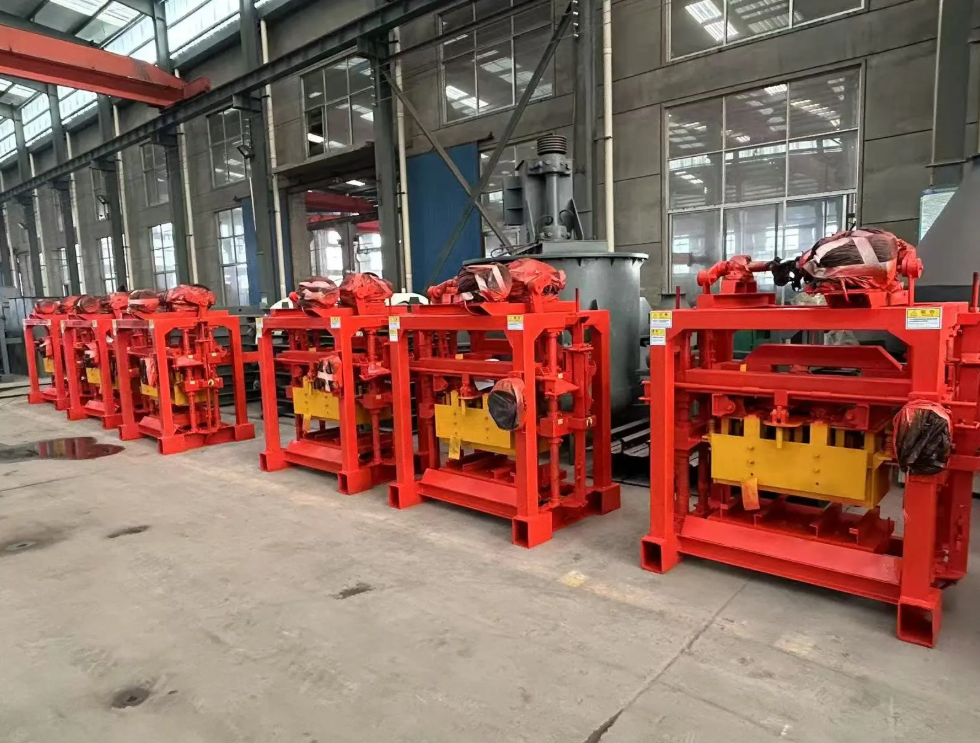
What Semi Automation Actually Changes on the Production Floor
A semi automatic brick making machine sits between hand molding and a fully automated line, and that middle position is often misunderstood. The machine handles mixing, feeding, vibration, and compaction, while people still guide pallets, check mix flow, and manage the transition between batches. Productivity improves not because the machine runs faster in a brochure, but because the repetitive, strength-dependent steps become consistent. A crew that once spent the shift shoveling and tamping can focus on quality checks and changeovers. The setup still needs a trained operator, and the pace depends on how well the crew and machine work together. That is the honest tradeoff, and it is also where the gains live.
The Operator Becomes the Control Point, Not the Power Source
With a semi automatic block machine, the operator sets the rhythm. The control panel handles cycle timing, vibration, and mold position, but the operator watches mix consistency, pallet alignment, and block release. That shift matters. A tired operator on a manual setup can produce uneven compaction all shift. A semi automatic setup gives the same compaction cycle on every batch, provided the mix and pallet feed stay within range. The machine does not remove judgment. It removes the physical load that makes judgment fade late in the shift. Training should cover mix moisture, pallet condition, and emergency stops. A machine with good guards and clear controls helps the operator stay attentive instead of fighting the equipment.
Where Cycle Time Gains Come From in a Real Plant
Cycle time gains usually come from three places. 1. Consistent vibration and pressure reduce the need for rework and hand finishing. 2. Better pallet handling cuts the time lost to misaligned boards and jammed transfer points. 3. Changeover routines improve when the control system stores mold and cycle settings. These gains are real, yet they are not automatic. A plant that feeds wet, variable mix will still see inconsistent blocks. A plant that ignores pallet flatness will still fight sticking and edge damage. ASTM C90 sets dimensional and strength requirements for loadbearing concrete masonry units, and those requirements are easier to meet when the production cycle is repeatable. The standard does not promise productivity. It gives a target that a stable semi automatic process can hit more reliably.
| Setup | Upfront investment | Labor dependence | Batch consistency | Changeover flexibility | Best fit |
|---|---|---|---|---|---|
| Manual | Low | Very high | Variable | High | Small or intermittent runs |
| Semi automatic | Moderate | Moderate | Good when mix and pallets are controlled | Good | Mid-sized yards with varied products |
| Fully automatic | High | Low on the floor | High | Lower without extra setup | High-volume, narrow product mix |
A Field Case from a Mid-Sized Block Yard
At a mid-sized block yard in Southeast Asia, a semi automatic brick making machine replaced two manual stations. The first week looked disappointing. Blocks stuck to pallets, and the crew blamed the machine. Inspection found pallets with swollen edges and mix moisture swinging through the day. The yard added a simple moisture check, replaced the worst pallets, and marked a pallet alignment line at the feed table. Within a few weeks, the crew settled into a steady rhythm. The machine did not double output, but the yard stopped losing batches to inconsistent compaction, and the operator could check block height without rushing. The lesson is common. Semi automation rewards process discipline. It punishes neglected inputs more visibly than manual work, because the machine repeats whatever it is given.
The Tradeoffs Buyers Should Not Ignore
Semi automatic equipment is not a shortcut to a fully automated plant. It still needs people at the pallet feed and at the discharge end, and those roles involve lifting and walking. Safety guards, clear sightlines, and a sensible layout matter as much as the control panel. Maintenance access should be planned before installation, because mold changes and vibration unit checks take time. Spare parts for sensors, relays, and wear plates should be stocked. A semi automatic line also depends on mix design and curing discipline. If the mix is too dry or the curing area is crowded, the machine cannot compensate. Buyers should ask for a trial run with their own mix and pallets, not just a demo with prepared material.
Matching the Machine to the Layout and the Crew
The best semi automatic setup matches the plant layout, the product mix, and the crew's skill level. A yard that changes molds often needs quick-release clamps and clear changeover steps. A yard with limited floor space needs a pallet route that does not cross the operator's zone. A yard with high staff turnover needs controls that are easy to learn and labels that are hard to misread. YAODA, based in southeastern Shandong, supports semi automatic and automatic block machine projects with manufacturing scale, technical staff, and export experience, which helps buyers match machine configuration to the real production floor. The practical test is simple. Run the machine through a full shift with the actual crew, actual mix, and actual pallets. Productivity gains show up in fewer stoppages and steadier blocks, not in a single impressive number.